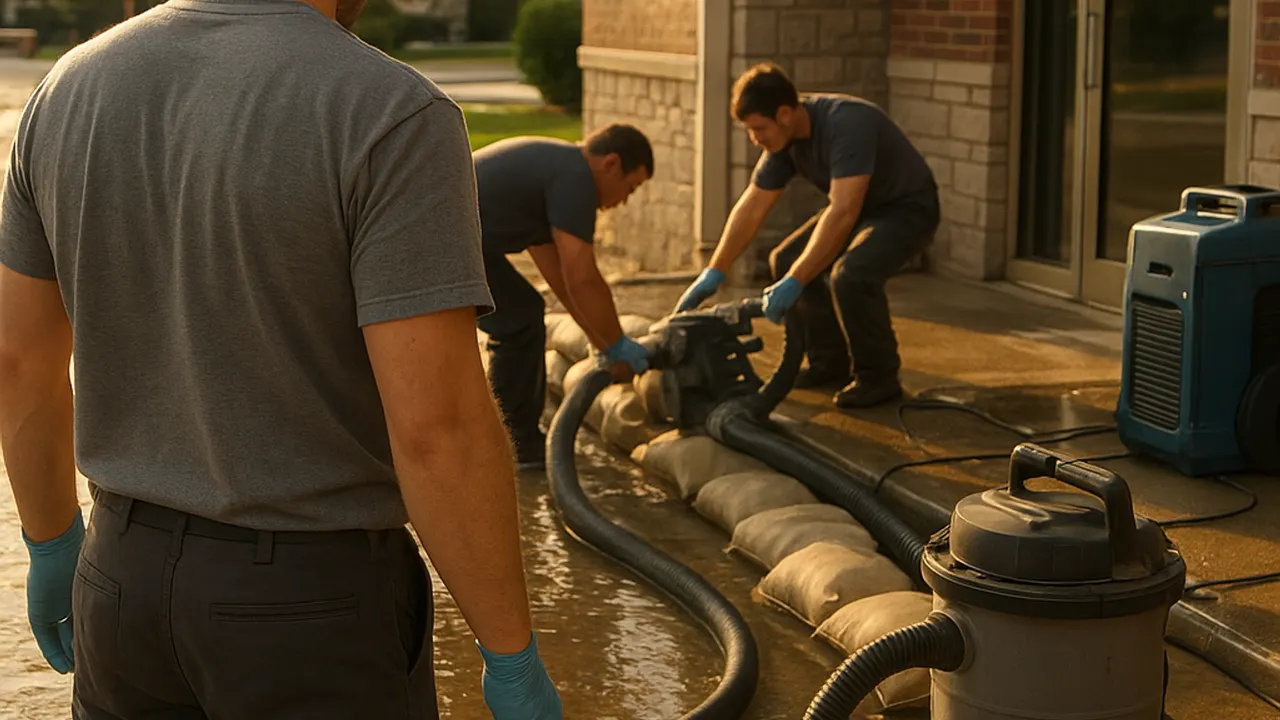
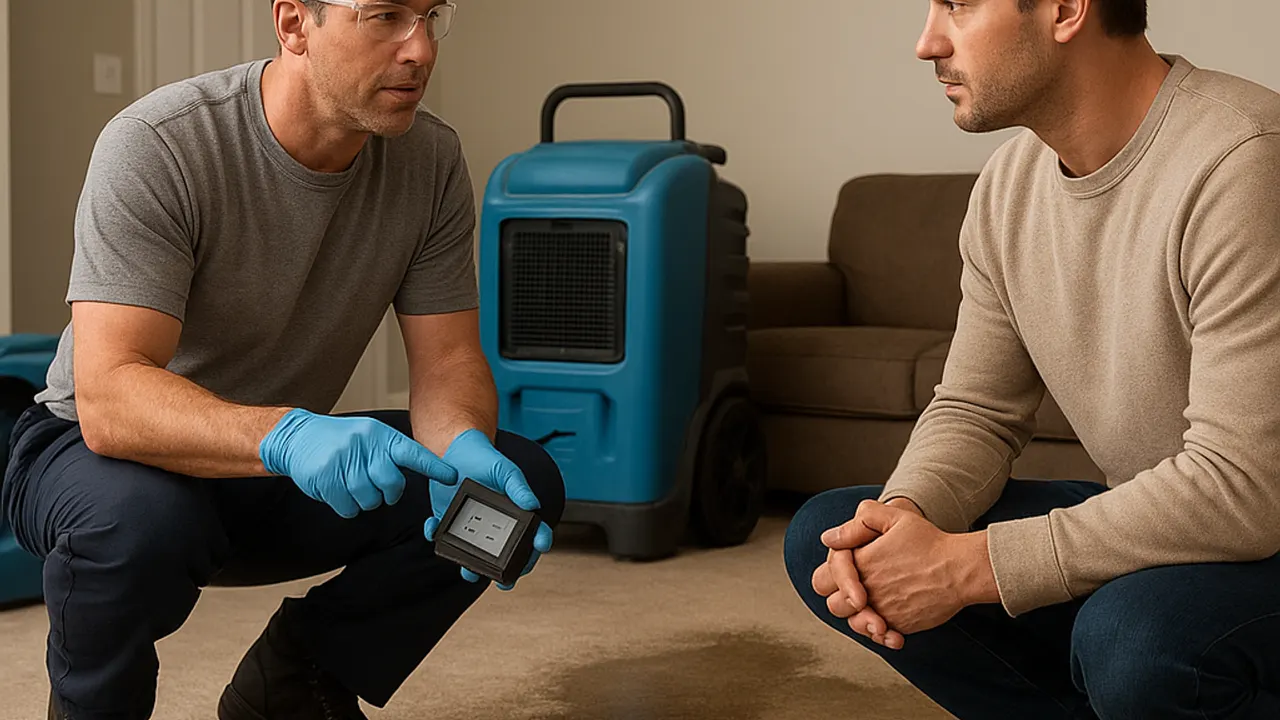
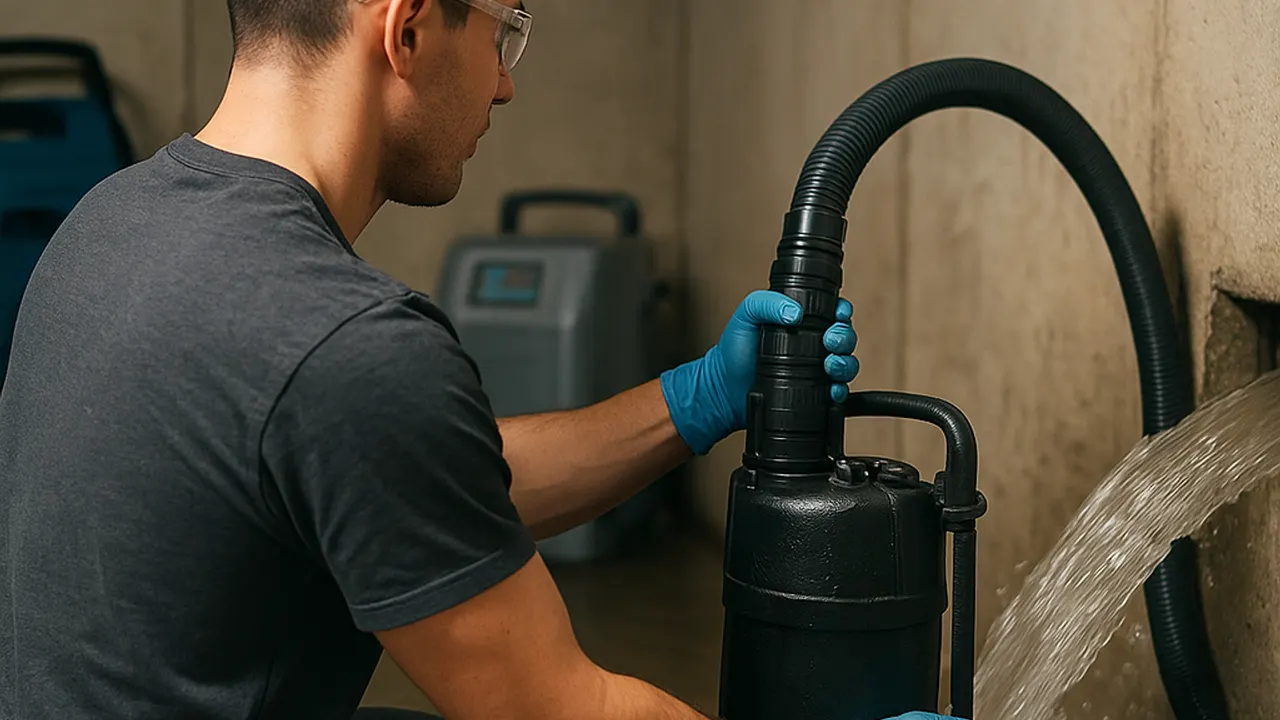
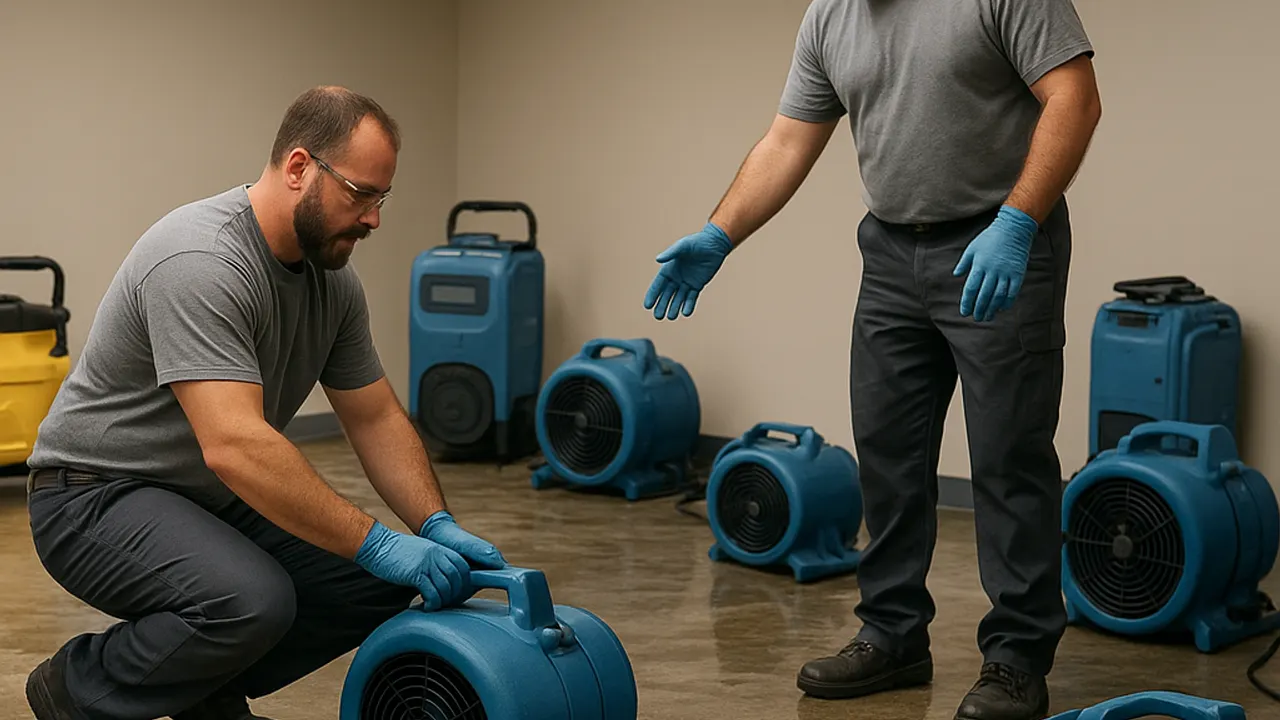
Storm and rainwater cleanup Indianapolis IN gets standing water out of homes and businesses after heavy rain, backed-up drainage, or stormwater intrusion. Water Pump Masters serves Indianapolis property owners facing wet basements, soaked flooring, and water-damaged contents. Our team assesses where water entered, extracts what can be removed, and checks affected materials so you can act before prolonged dampness leads to secondary damage.
Walk-through firstWe review affected rooms with you.
Measured moistureWe check surfaces and explain readings.
Protected accessWe keep routes clear where possible.
Documented findingsWe record affected areas and next steps.
What Storm Cleanup Covers
Storm cleanup includes assessing water entry, extracting standing rainwater, checking affected surfaces, and setting up drying equipment when needed. We explain which materials appear wet and what requires further evaluation. Cleaning or removal of contents, structural repairs, and correction of the water-entry source are separate work when the situation calls for them. You will know what our cleanup addresses before the work moves beyond extraction and drying.
Water Entry Assessment
We walk the affected area with you, note likely entry points, and check whether water is still coming in. This helps distinguish a one-time storm intrusion from continuing water flow and guides where we begin extraction.
Standing Water Extraction
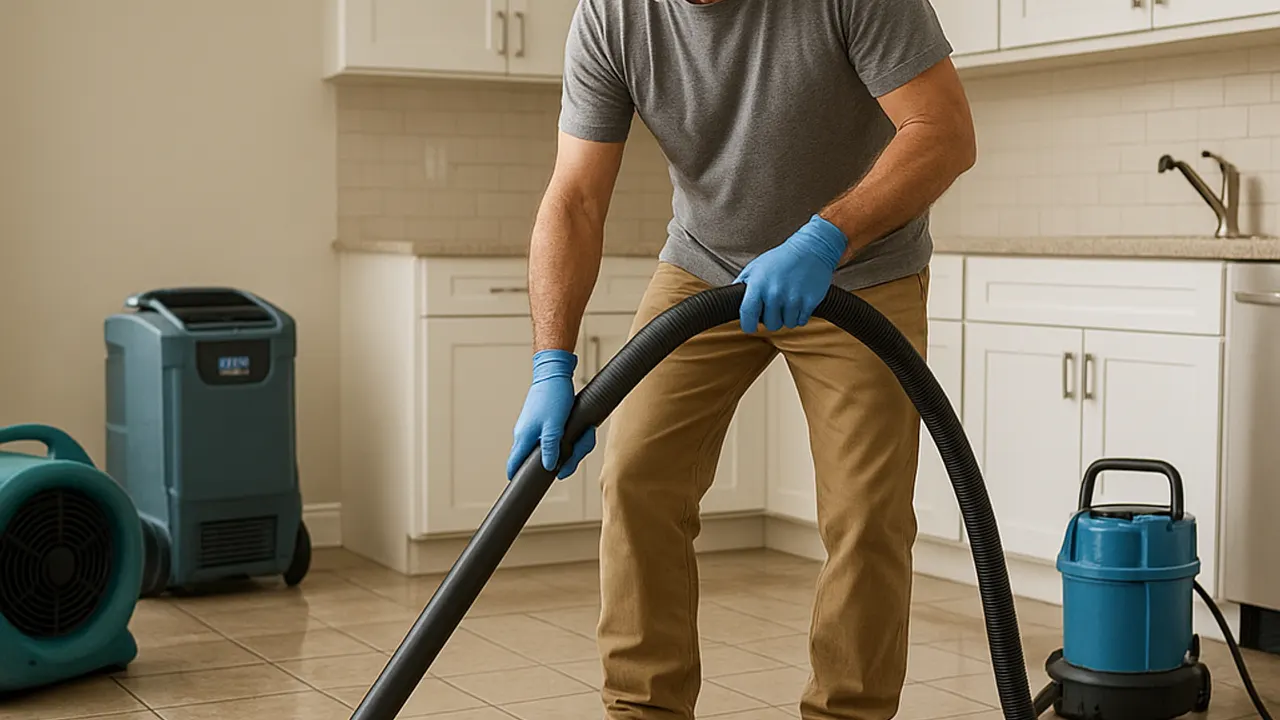
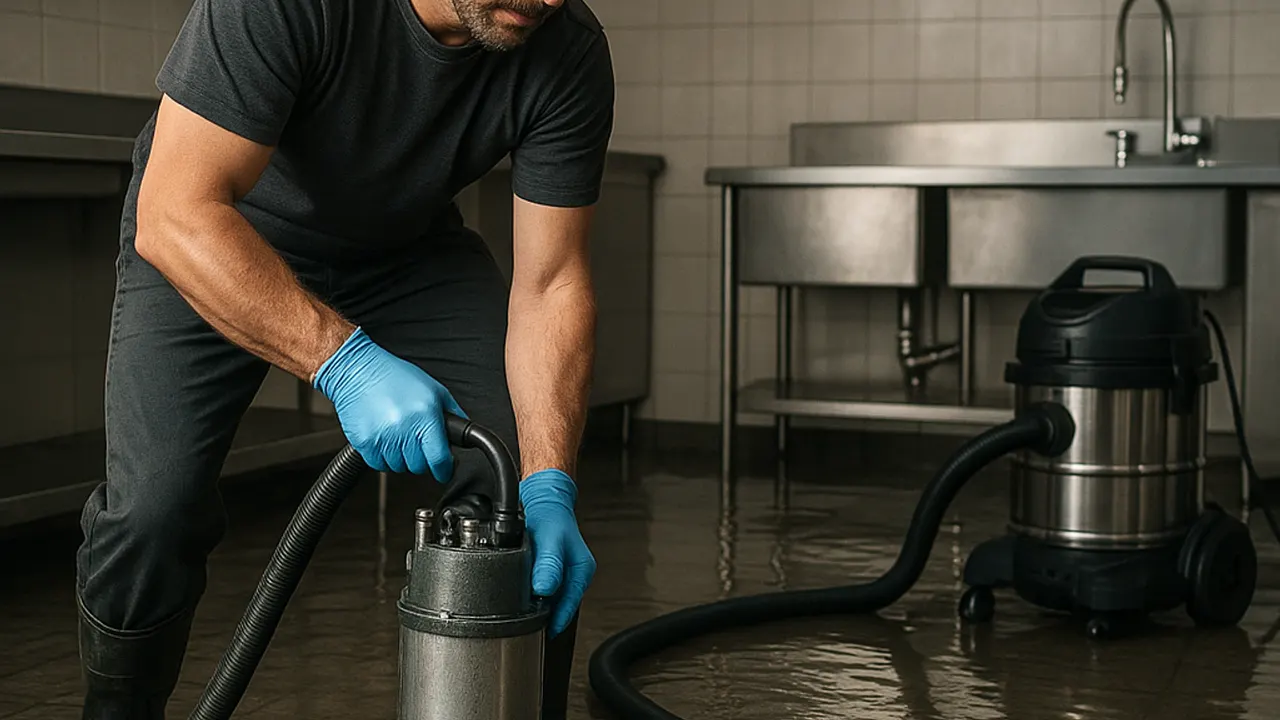
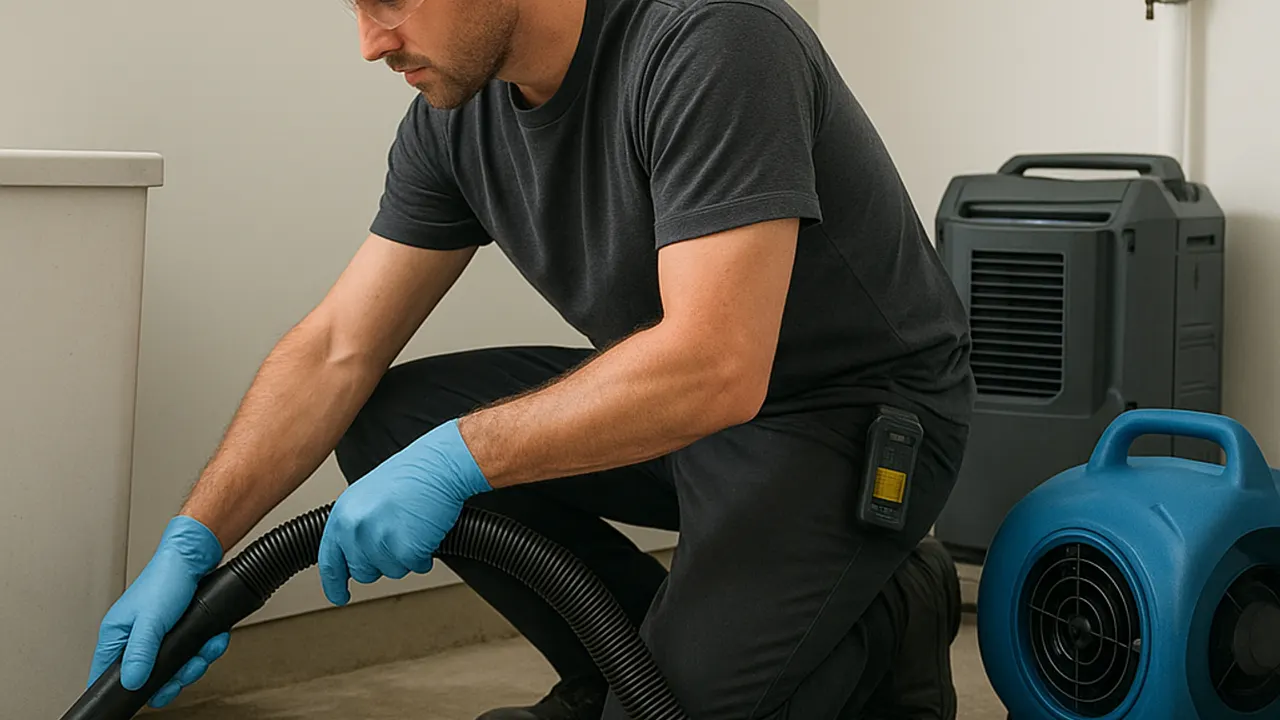
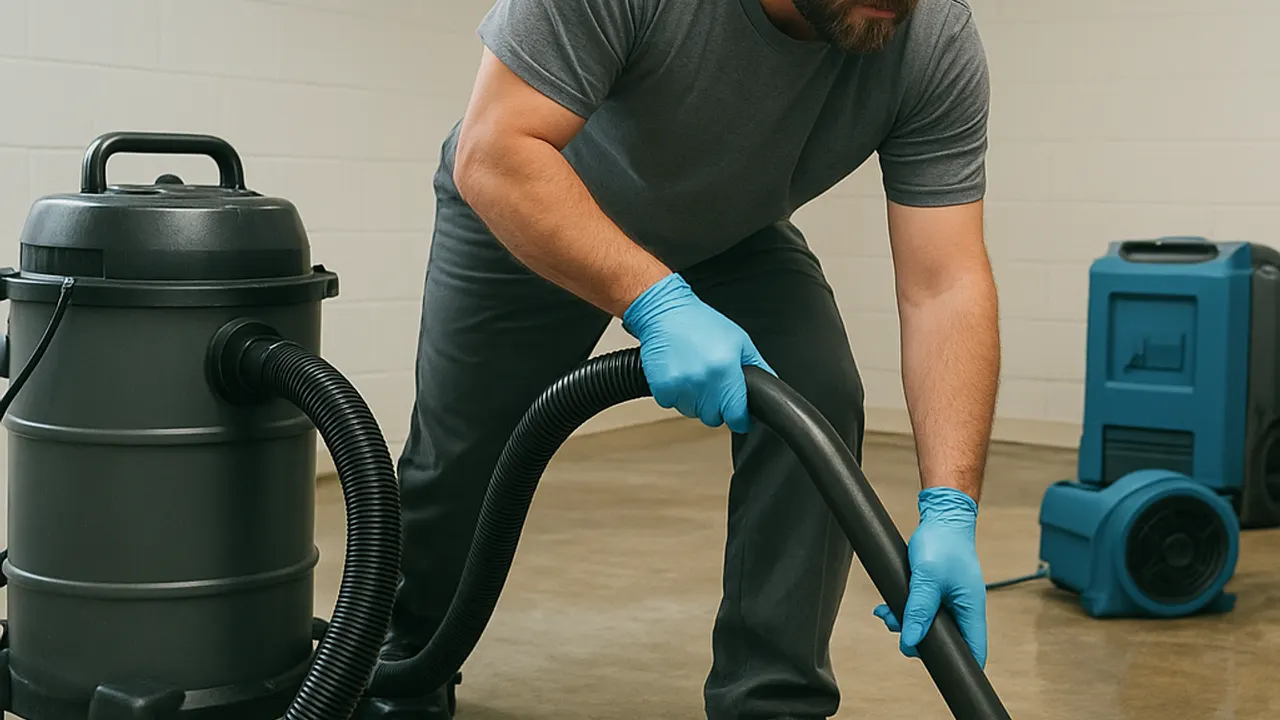
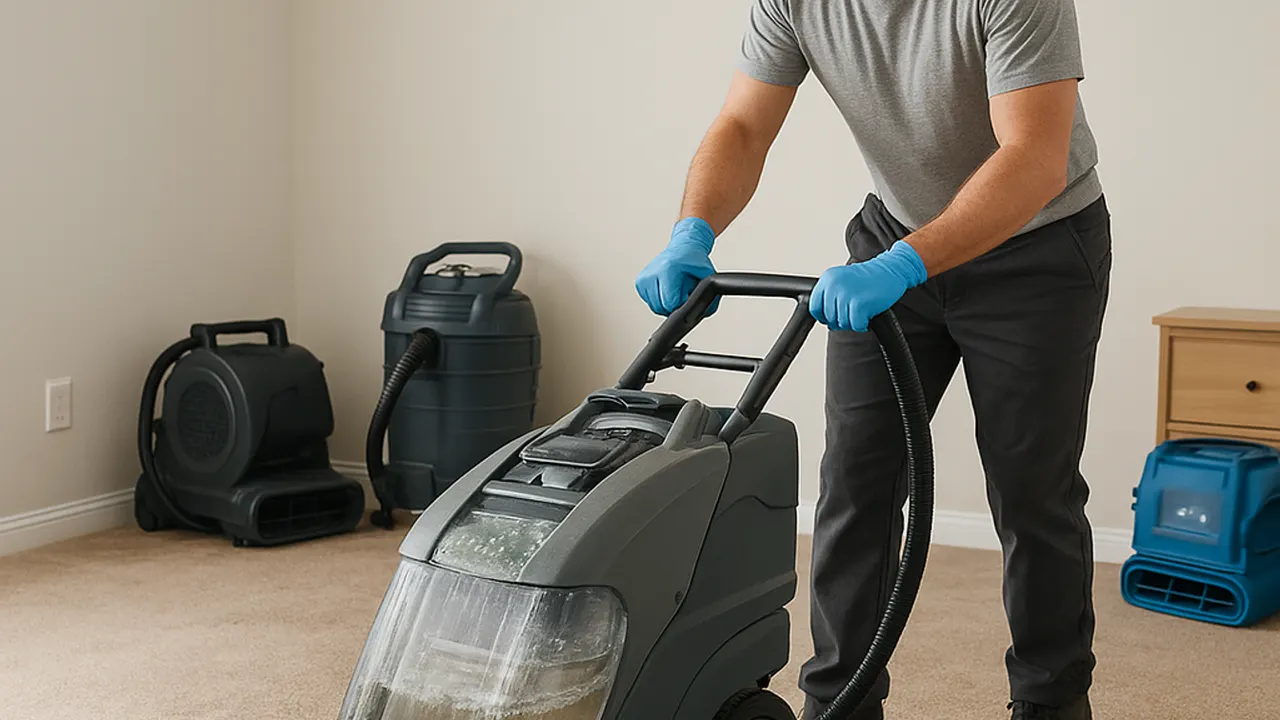
We remove accessible pools using equipment selected for the depth and room layout. A pump handles deeper water, while an extraction unit or wet/dry vacuum can address remaining water on floors and other suitable surfaces.
Affected Material Checks
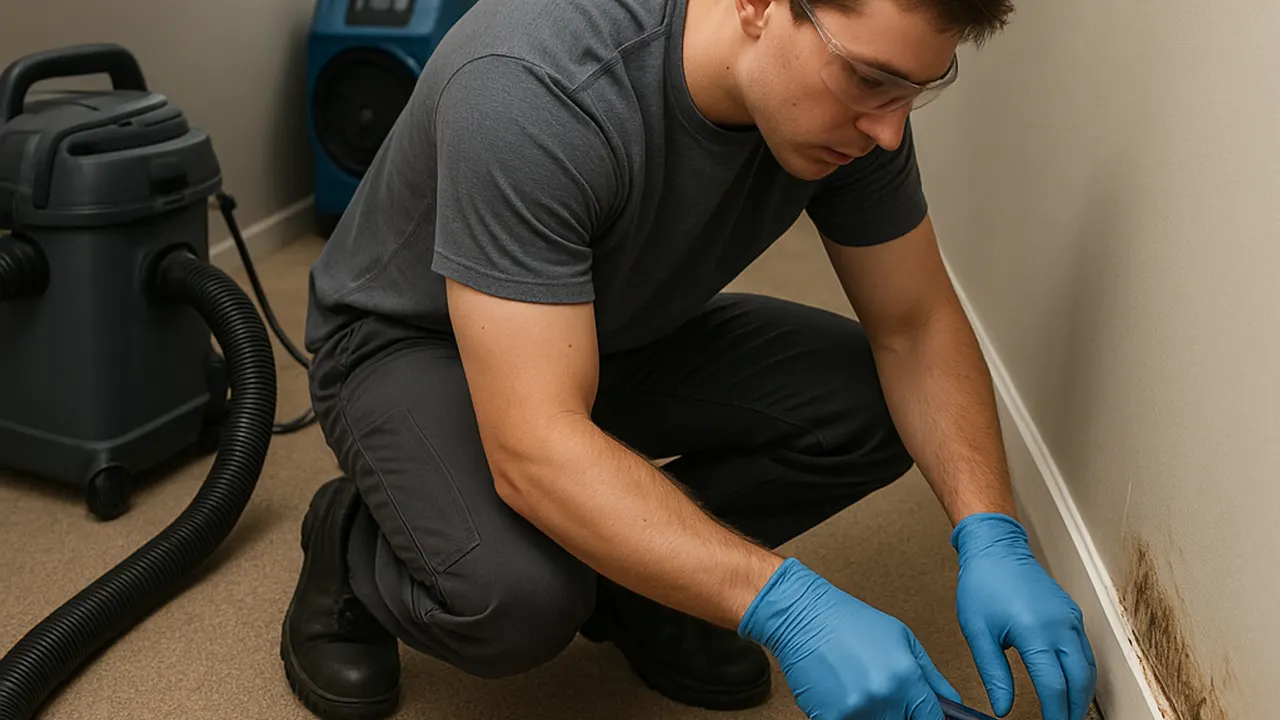
We inspect visible flooring, baseboards, carpet, and accessible wall surfaces for water exposure. Moisture readings help identify areas that remain damp after the surface looks dry, giving you a more useful basis for next steps.
Drying Equipment Setup
We explain equipment placement, access needs, and the areas that should remain unobstructed while moisture is being removed.
Cleanup Findings
We review the areas addressed, describe observed material conditions, and outline practical follow-up actions. If stormwater contacted soil or drains, we factor that into the conversation about cleaning and affected belongings.
Homes and businesses.
The approach is the same for a home and a business. What changes is the access, the schedule and who needs the paperwork.
Homes and Rentals
We remove stormwater from basements, finished rooms, and utility spaces while checking nearby flooring and wall edges. You stay informed about equipment placement and drying.
Rainwater across basement carpet
Sump failure in a laundry area
Water near a basement window
Business Properties
We plan water removal around staff access, inventory, and affected floor areas. Property managers receive clear updates about extraction, damp materials, and follow-up checks.
Water at a ground-floor entrance
Stormwater near stored inventory
Wet flooring around utility equipment
Storm and rainwater cleanup Indianapolis IN
A plain-language look at what Storm and Rainwater Cleanup involves and when it is needed.
Storm and rainwater cleanup Indianapolis IN is emergency water extraction that removes storm-driven water from buildings and addresses the wet materials left behind. We locate standing water, use pumps or extraction equipment suited to the depth and access, and check floors, baseboards, and wall edges for moisture that is not visible. The work starts with safety and source assessment, then moves through water removal, material evaluation, and drying. Acting promptly limits the time water sits against building materials and helps you decide what needs cleaning, drying, or removal.
Indianapolis properties face basement flooding when intense rainfall overwhelms exterior drainage, window wells, or a sump pump. In Marion County, older basements and finished lower levels can hide stormwater intrusion behind stored belongings and floor coverings. Our Indianapolis storm and rainwater cleanup addresses the water and the affected area, not just the visible puddle. If you need emergency storm and rainwater cleanup Indianapolis IN, we identify the entry path, isolate electrical hazards, and prioritize extraction before damp carpet padding and drywall remain wet for extended periods.
Remove standing water, check affected materials, then dry the areas that remain damp.
What it is
Removing stormwater from a building and addressing wet materials after rain intrusion.
When you need it
When stormwater pools indoors, soaks flooring, or reaches basement walls and belongings.
What to expect
An assessment, water extraction, material checks, and drying equipment when conditions call for it.
How the Cleanup Proceeds
Storm and rainwater cleanup in Indianapolis follows a practical sequence: assess the water, remove it, check materials, and dry the affected space. We explain what we are doing as the job moves forward, so you can make decisions with current information.
Arrival Assessment
When we arrive, we walk the affected rooms with you, note where water entered, and check for immediate hazards such as water near outlets or appliances. We ask when the storm began and whether water is still coming in. The first assessment generally takes 20 to 45 minutes, depending on access and the number of affected areas.
Walk-through
Entry point
Safety check
Protect and Prepare
We identify a safe route for equipment, protect unaffected surfaces where practical, and move small items away from the wet area with your direction. If water is near energized equipment, we avoid the hazard and tell you what needs to be shut off by a qualified person. Setup usually takes 15 to 30 minutes.
Clear access
Protect surfaces
Prepare equipment
Extract Standing Water
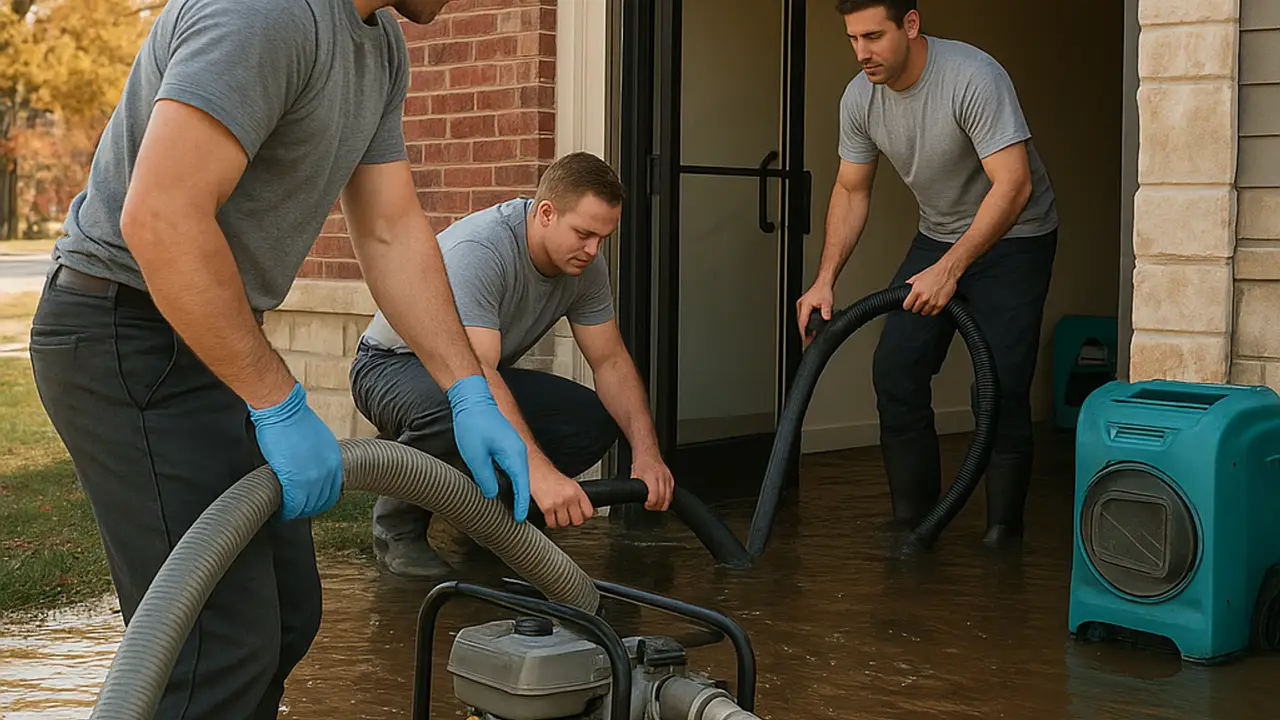
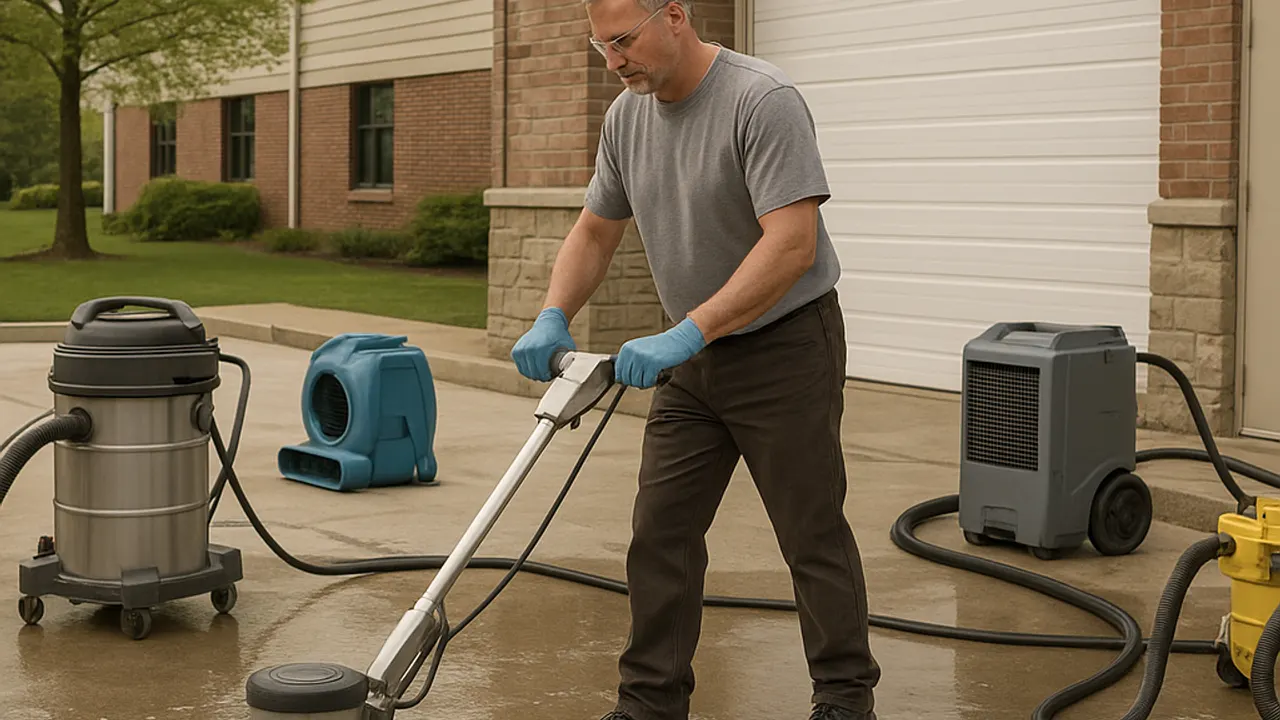
We use a truck-mounted water extraction unit, portable extraction unit, or submersible pump based on water volume, depth, and access. A wet/dry vacuum handles smaller residual pools after bulk water is removed. Extraction time ranges from about one hour for a small room to several hours for a large or repeatedly flooded basement.
Pump water
Extract residue
Check floors
Check Wet Materials
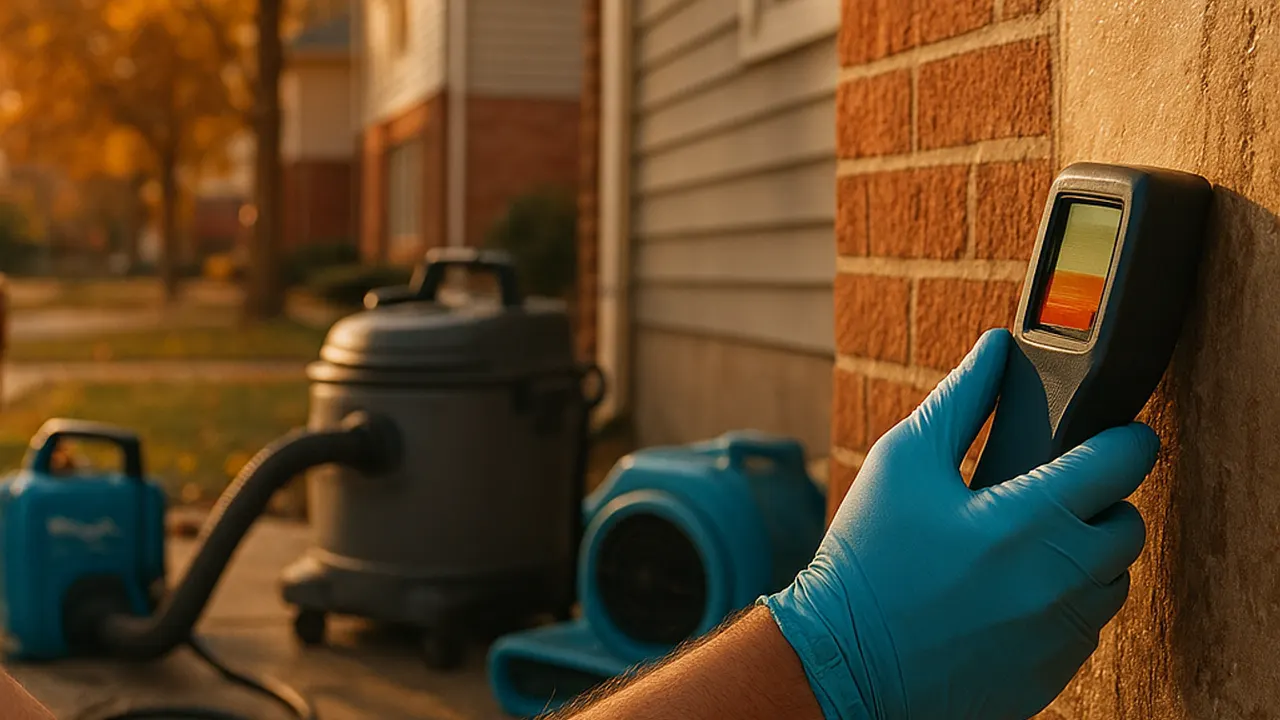
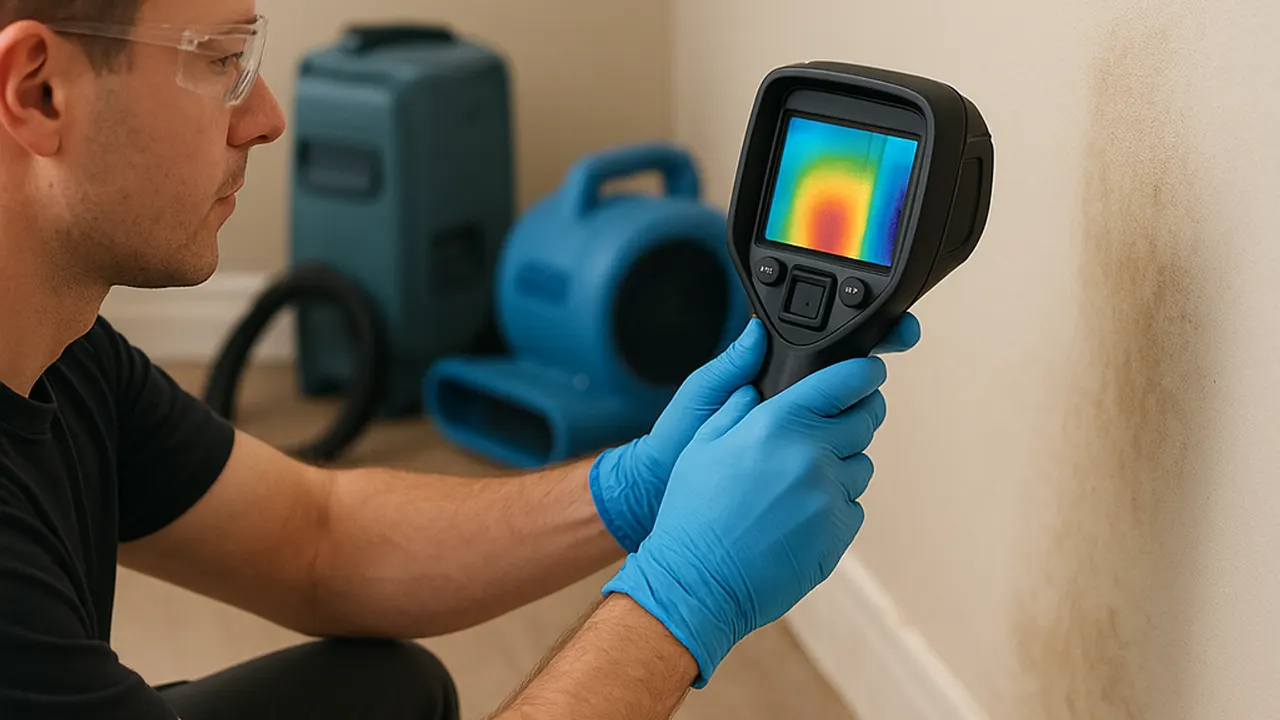
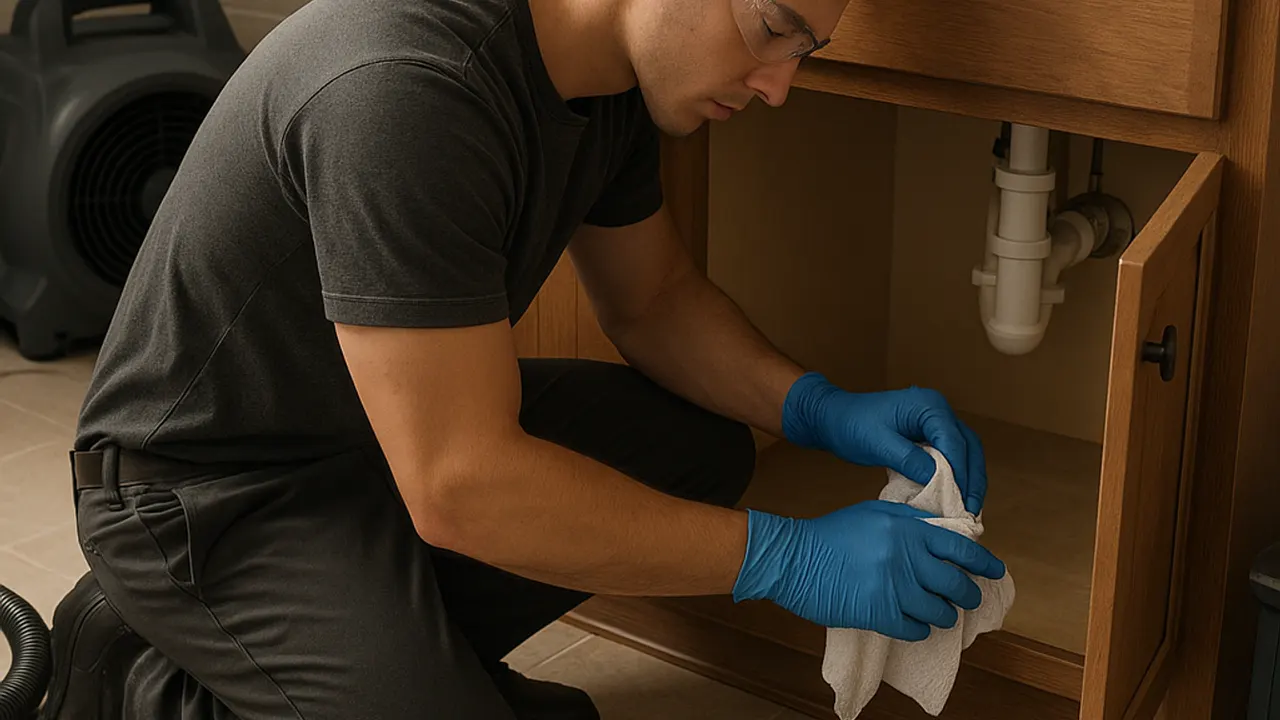
We inspect flooring, carpet padding, baseboards, and accessible wall surfaces, then take moisture readings to map areas that need drying. Where hidden moisture is suspected, a thermal imaging camera can help identify temperature patterns that merit direct meter checks. We explain which findings are visible and which require further access.
Inspect edges
Read moisture
Explain findings
Set Drying Equipment
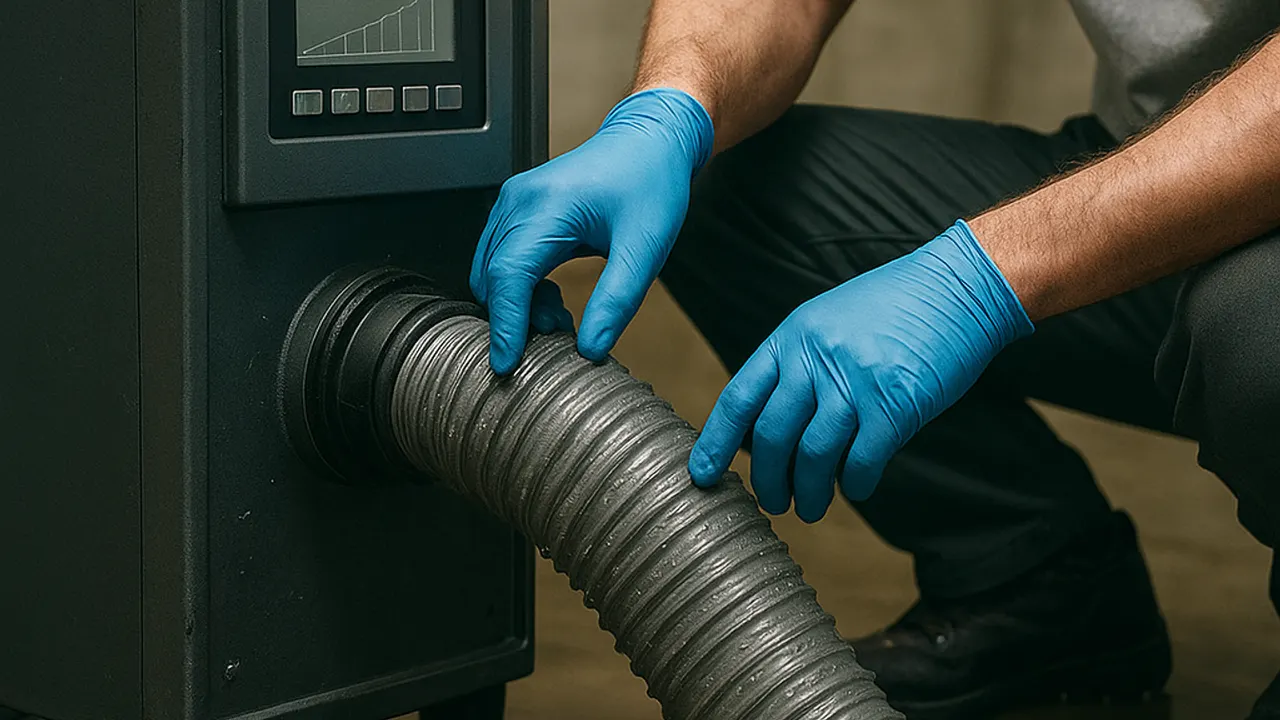
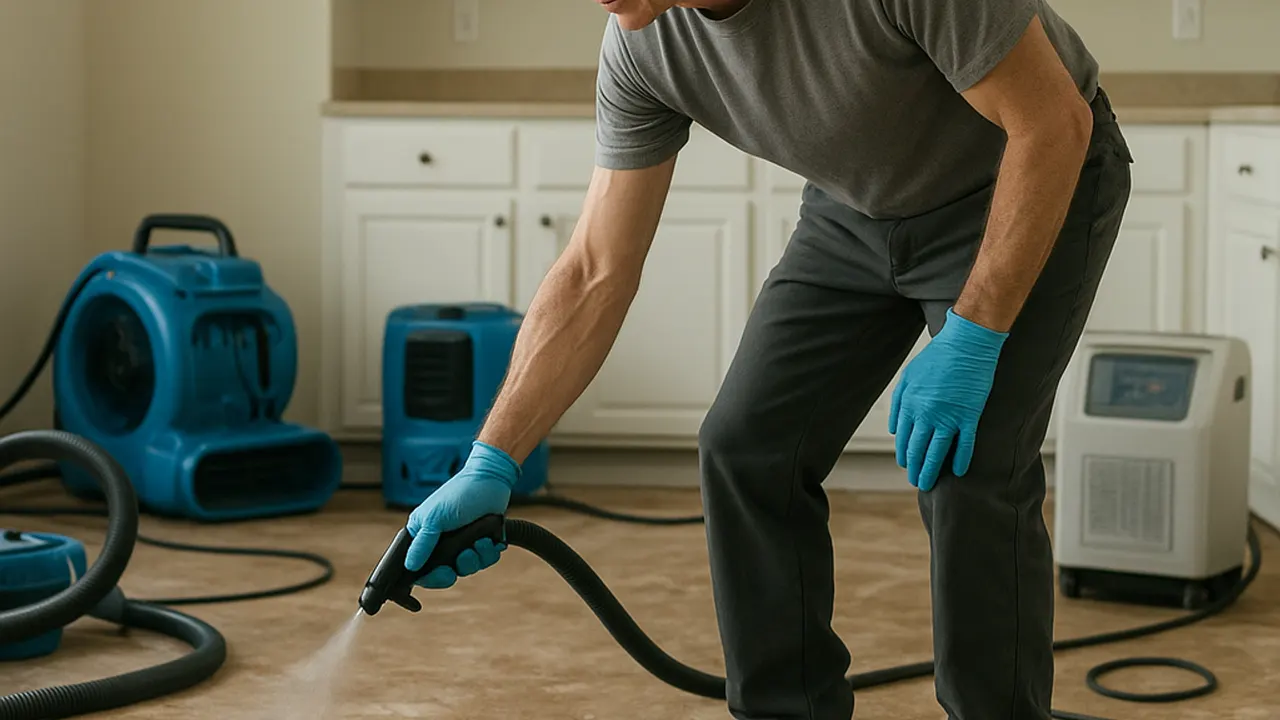
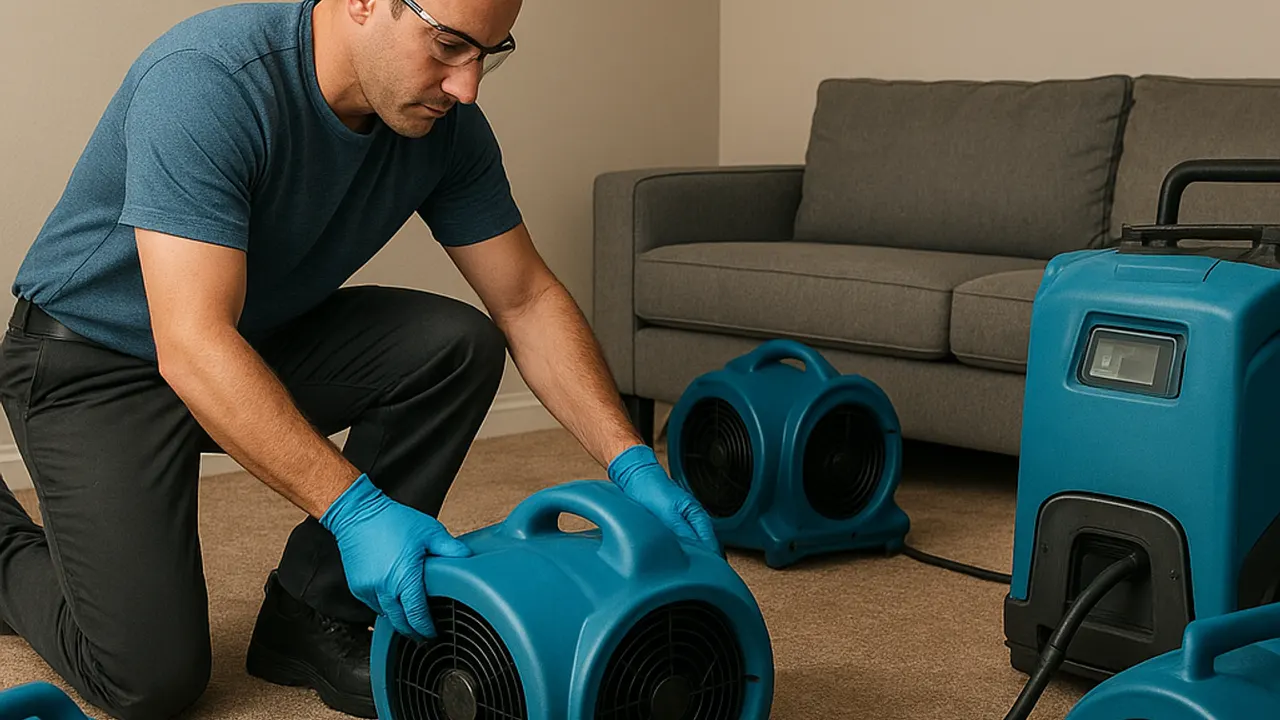
We position air movers and a commercial dehumidifier to circulate air and remove moisture from the room. The equipment stays in place while readings are checked and adjusted, often over two to five days depending on the materials, water volume, and indoor conditions. We review access, equipment noise, and follow-up expectations with you.
Place equipment
Monitor drying
Review next steps
Equipment and Work Methods
Move across a circle, or focus it and press Enter, for an illustrative thermal view of the photograph.
Truck-mounted water extraction unit
We use high-capacity extraction where vehicle access and the site layout allow, removing water efficiently from suitable flooring and larger affected areas.
Submersible pump
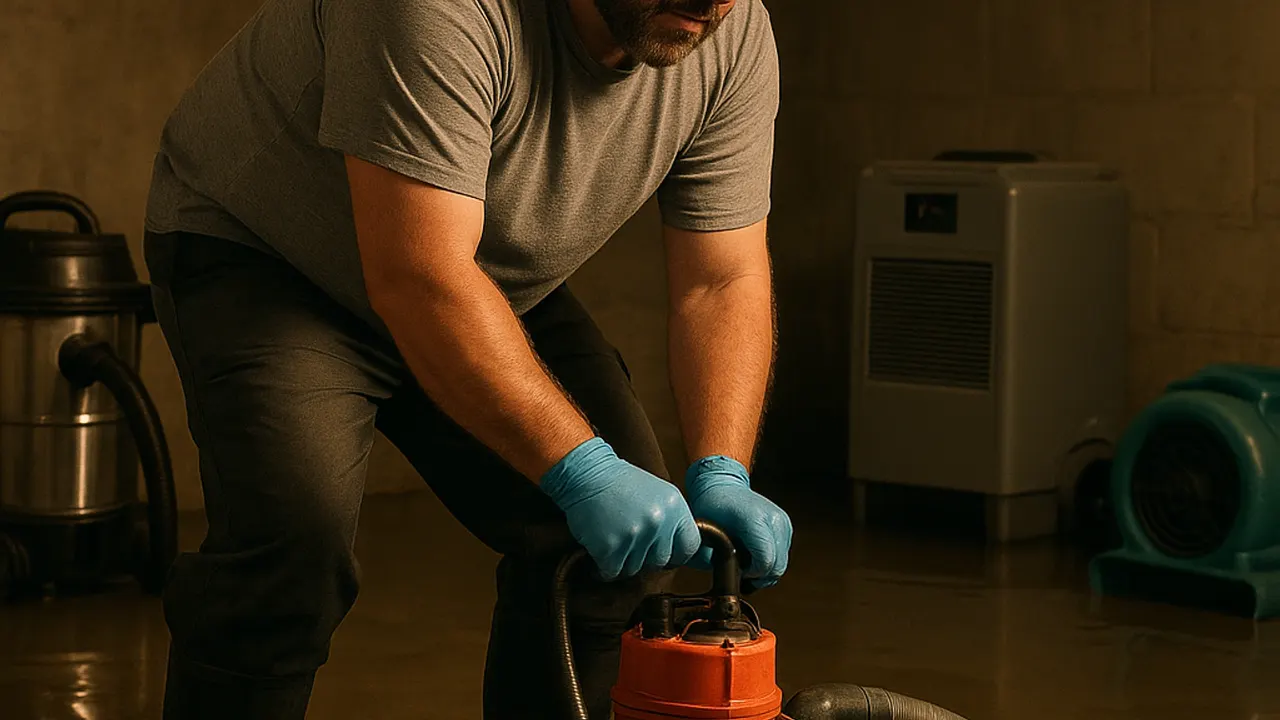
A submersible pump moves deeper standing water from basements or other low areas before detailed surface extraction begins.
Moisture meter
We compare readings across affected and unaffected materials to find damp areas that are not obvious by sight or touch.
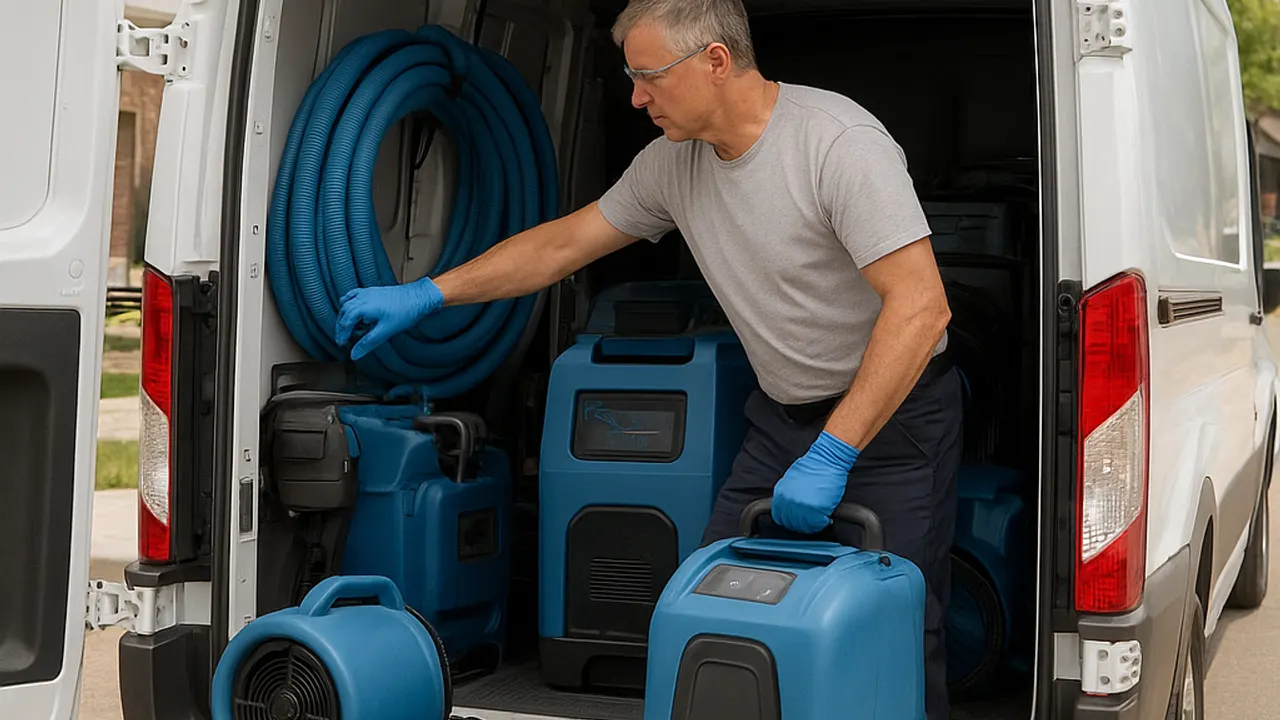
Air mover and dehumidifier
Air movers circulate air across wet surfaces while a commercial dehumidifier removes moisture from the indoor environment during drying.
Dri-Eaz equipment
Dri-Eaz drying equipment is used where the room conditions and affected materials call for controlled air movement or dehumidification.
Thermal views are illustrative, generated from the photographs.
Methods
Bulk Water Extraction
We remove the greatest accessible volume first, selecting a pump or extraction unit to match water depth and the route into the building. After the pool is cleared, we work across remaining surface water. This order prepares the room for material checks and drying.
Moisture Mapping
We check affected surfaces and compare readings with nearby areas that were not exposed. This helps distinguish a damp surface from moisture that has moved into flooring or lower wall materials. Findings guide equipment placement and follow-up checks.
Controlled Structural Drying
We use air movement and dehumidification to support moisture removal from the affected space. Equipment placement reflects the room layout and the materials involved. We revisit readings to determine whether drying conditions are changing and explain the next steps.
Material Condition Review
We look at carpet, padding, baseboards, and accessible wall surfaces to understand their exposure and condition. Where stormwater contacted soil or drainage, we discuss the added cleaning considerations. This review helps you separate water extraction from any later repair decisions.
When to Call for Cleanup
Basement rain
A finished basement in Meridian-Kessler takes on water after sustained autumn rain.
We check the entry point, move water away from the affected route, and extract standing water from flooring. Then we inspect carpet edges, baseboards, and nearby stored items. If the source remains active, we tell you what needs attention before drying can hold.
Sump failure
A sump pump fails during a heavy Indianapolis downpour and water reaches the laundry area.
We assess water depth and safe access, use a pump or extraction unit as conditions require, and check appliances and lower wall surfaces. We also ask whether the pump has been restored so you can address the cause while cleanup proceeds.
Window intrusion
Rainwater enters a Broad Ripple home through a basement window well.
We remove water from the floor, inspect the window-side materials, and check nearby carpet or belongings for moisture. We identify the affected boundary and explain what can dry in place. You can then coordinate repairs to the window well and exterior drainage.
Commercial flooding
A downtown commercial ground floor has water tracked in and pooled after a storm.
We assess access around staff and equipment, extract pooled water, and check floor transitions and nearby storage. We keep walkways in mind while placing drying equipment and explain which parts of the space need to remain accessible or clear during drying.
Broad RippleIrvingtonFountain Square
How Cleanup Works in Indianapolis
Storm and rainwater cleanup in Indianapolis has to account for fast downpours, changing outdoor temperatures, and homes with finished or partly finished basements. Fall rain can saturate soil around foundations, while spring storms can overwhelm window wells and sump systems. In older neighborhoods, water may enter through lower-level openings or travel along floor and wall joints before it becomes visible.
Our team checks those likely paths instead of assuming the puddle marks the full affected area. We provide storm flood cleanup in Indianapolis by extracting water, inspecting wet materials, and setting up drying equipment as needed. If you need rainwater extraction after heavy Indianapolis rainfall, tell us whether water is still entering and which rooms or utilities are affected.
We serve Marion County communities, including Broad Ripple, Irvington, and Fountain Square. For ZIP code 46217 or 46214, share the address area when you call; we use it to understand the property location and plan the visit. We also consider safe access and the condition of contents before moving equipment through a home.
Broad Ripple: Basements and lower-level rooms can take on water around window wells or floor edges during heavy rain. We check those boundaries along with the visible pool.
Irvington: Older homes may have varied basement finishes and storage layouts. We inspect around stored belongings and lower wall materials before placing drying equipment.
Fountain Square: A mix of building ages and finished spaces means access and flooring differ from property to property. We tailor extraction to the affected room and surface.
Downtown Indianapolis: Ground-floor commercial spaces need clear walkways during cleanup. We plan equipment placement around access to affected areas and nearby operations.
Heavy rainfall saturates ground around foundations and window wells: Water pressure and drainage conditions can push rain indoors through low openings. We check the likely entry point and the materials around it, while extraction addresses water already inside.
Sump pump failure leaves water in a finished basement: A pump that stops or cannot keep pace lets water reach carpet, stored items, and lower wall surfaces. We remove standing water and ask whether the source has been restored to prevent a repeat cycle.
We walk the affected rooms and explain what we find.
We prepare access and position extraction equipment.
We check moisture and review practical next steps.
From problem to finished result.
IllustrativeThe thermal view is generated from the photograph. It is not a measurement. Drag the handle, or use the arrow keys once it is focused.
Rainwater Across Finished Basement
Before: A homeowner found rainwater across a finished basement after a strong storm. A shallow pool covered part of the carpet, boxes were wet near the wall, and the room smelled damp. The visible water did not show how far moisture had moved beneath the carpet or along the baseboards.
After: We extracted the standing water, checked carpet edges and lower wall areas, and set up air movement with dehumidification. The initial extraction took about two hours; drying equipment remained while readings were monitored over the following days. The customer had a clearer record of affected materials and areas needing attention.
Keep window wells clear of leaves, inspect the sump system before wet weather, and move stored items off basement floors. After heavy rain, check lower-level corners and carpet edges promptly.
Sump Failure in Utility Room
Before: A sump pump stopped during heavy rainfall, leaving water around a utility room floor and beneath stored supplies. The homeowner could not tell whether the water had reached the drywall or traveled under nearby flooring. The pump issue also raised concern that water would return.
After: We removed pooled water with a submersible pump and extracted the remaining floor film. We checked accessible wall edges and nearby materials, then explained that the sump system needed attention to prevent another rise. The main water removal took roughly three hours, with drying checks continuing afterward.
Have the sump pump and discharge route checked before the rainy season. Keep the area around the pit accessible, and avoid storing cardboard or fabric directly on the basement floor.
Commercial Ground-Floor Intrusion
Before: After a storm, water pooled in a small ground-floor commercial space near an entrance and storage area. Staff needed to keep a route open, but wet flooring created a slip concern. The waterline reached shelving and made it difficult to tell which items had been affected.
After: We extracted the pooled water, checked flooring transitions and nearby storage, and positioned drying equipment away from the main route. The initial cleanup took about two hours for the affected area. We identified damp surfaces for continued checks and helped the manager separate wet contents from unaffected stock.
Inspect entrances and low floor transitions after intense rain, and keep absorbent supplies available for small surface water. Store vulnerable inventory above floor level in areas with prior intrusion.
Problems After Heavy Indianapolis Rain
Rainwater that reaches a finished room can spread beneath flooring and into porous materials before the full extent is visible. We remove accessible water and check the surrounding area so you can address wet materials early. If you need to remove rainwater after a severe storm Indianapolis IN, start with safe access and a clear account of where the water traveled.
Basement poolingBasement water pooling after intense rainfallWater can soak carpet padding, stored boxes, and lower wall materials. If it remains, odors and secondary mold growth become more likely. We check where water collected and whether it is still entering, then pump or extract the standing water. Next, we inspect nearby flooring and baseboards and use moisture readings to locate areas that need continued drying. We explain what was reached and what should be monitored.
Window entryStormwater entering around a basement windowWater may spread behind furnishings and along wall edges, leaving hidden moisture even after the visible floor dries. We clear the affected floor, move equipment into position, and inspect the window-side wall and adjacent materials. Where access allows, we check moisture at baseboards and flooring transitions. We also point out the entry area so you can arrange exterior repairs to reduce repeat intrusion.
Sump overflowSump pump failure during a rain eventA rising water level can damage stored belongings and wet finished flooring before the pump is noticed or restored. We remove water from the affected basement and check the floor, carpet, and lower wall surfaces. We ask whether the sump pump has resumed operation, because extraction alone will not stop water from returning. You receive clear information about wet materials and areas needing follow-up.
Wet carpetRainwater saturating carpet and paddingWater held beneath carpet can keep the floor damp and spread into nearby baseboards, even when the top surface feels nearly dry. We extract water from the carpet and assess the padding and floor beneath where accessible. A moisture meter helps us compare readings across the affected area. We explain whether continued drying or further material evaluation is appropriate, rather than judging the carpet by surface appearance alone.
Practical Results After Storms
Get standing water removed and know which materials still need attention.
Water Out Sooner
We select a submersible pump or extraction unit according to water depth and access, then remove standing water before working across the remaining wet surfaces. In a typical contained room, extraction may take one to four hours; larger basements or repeated water entry take longer. Removing the bulk water first makes drying equipment more effective.
Hidden Wet Areas Found
Water can travel under carpet, along baseboards, and into wall cavities without leaving an obvious stain. That helps you avoid relying on touch or appearance alone when deciding whether materials are dry.
Materials Evaluated Clearly
We check flooring, drywall, insulation, and contents for visible damage and moisture exposure, then explain what can be dried and what needs removal. For water-damaged carpet, separating the carpet from saturated padding helps reveal the condition underneath. You receive practical findings tied to the actual rooms and materials.
Drying With a Plan
After extraction, we position air movers and a commercial dehumidifier to support moisture removal from the affected space. Drying often takes several days, with readings guiding adjustments rather than a fixed calendar promise. We explain which areas need follow-up checks and what changes to watch for.
What you receive
Clear records you can keep and share.
Moisture log
Recorded readings from checked areas.
Photo record
Images of visible affected surfaces.
Work summary
Notes on extraction and equipment placement.
Area notes
Rooms and materials identified for follow-up.
Water Removal and Drying
Extraction removes pooled water; drying addresses moisture that remains in materials and indoor air.
Standing Water
Visible pools that can be pumped or extracted.
Basement floor pools
Water near entrances
Puddles in utility rooms
Wet Materials
Surfaces and contents exposed to water.
Carpet and padding
Baseboards and drywall
Stored belongings
Drying Needs
Areas needing air movement and moisture checks.
Damp floor edges
Wet wall surfaces
Enclosed lower-level rooms
Affected Materials
Carpet
Padding
Drywall
Baseboards
Hardwood
Laminate
Insulation
Stored items
Service ZIP codes.
A list like this tells people straight away whether you cover their street. Not listed? Call and ask: it only takes a minute.
Water Pump Masters handles storm and rainwater cleanup in Indianapolis by extracting standing water, checking affected materials, and setting up drying equipment. Tell us where water entered, how deep it is, and whether it is still coming in when you call. Our team checks safety first, then selects equipment for the site. The time required depends on water volume, access, and how many rooms are wet.
Remove basement rainwater as soon as it is safe to enter, preferably within the first 24 hours. Longer wet periods increase the chance that carpet padding, drywall, and stored materials remain saturated. Do not walk through water near outlets or appliances. We can assess the water, extract it, and check materials; drying commonly continues for two to five days, guided by moisture readings.
Yes, a cleanup company can pump out stormwater, inspect affected materials, and dry areas after storm flooding in Indianapolis. We handle standing water and stormwater intrusion, including basement and ground-floor impacts. If water contacted a drain or soil, tell us before cleanup so we can account for the exposure. Storm flood cleanup in Indianapolis starts with safe access and source assessment, followed by extraction and material checks.
Keep people away from standing water near electrical equipment, stop the water source if safe, and move valuables only when the route is dry. Photograph visible damage and note when water entered. Call for rainwater extraction Indianapolis IN if water remains indoors; do not use a household vacuum on standing water. We assess entry points, remove water, and explain which surfaces need drying or closer inspection.
Standing water in your basement or business needs prompt attention. Call Water Pump Masters at 317-792-8700 and tell us where the water is, how deep it stands, and whether it is still entering. We serve Indianapolis, IN, and can discuss the next practical step.
Call 317-792-8700 to describe a leak, flooded basement, or water-soaked floor and get connected with an independent service company. Share your Indianapolis neighborhood, the water source, and whether the water is still spreading. Hours vary by company, so call to discuss urgent needs and the next practical step.