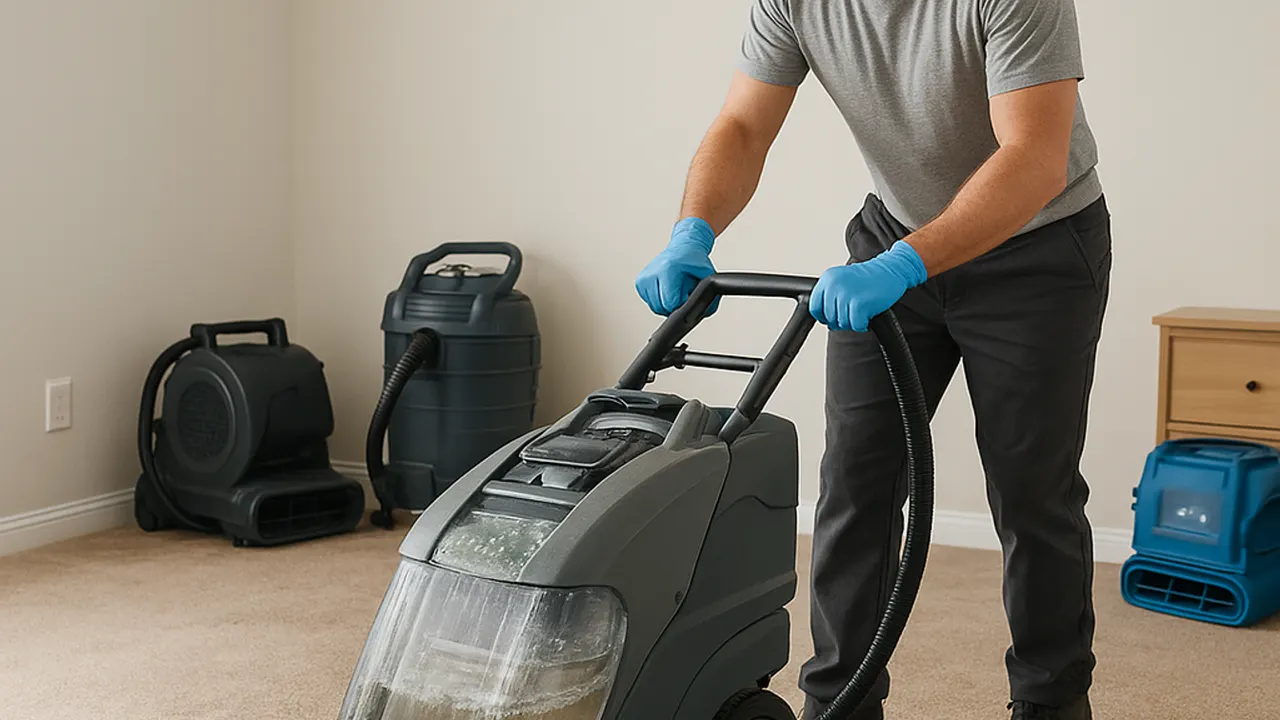
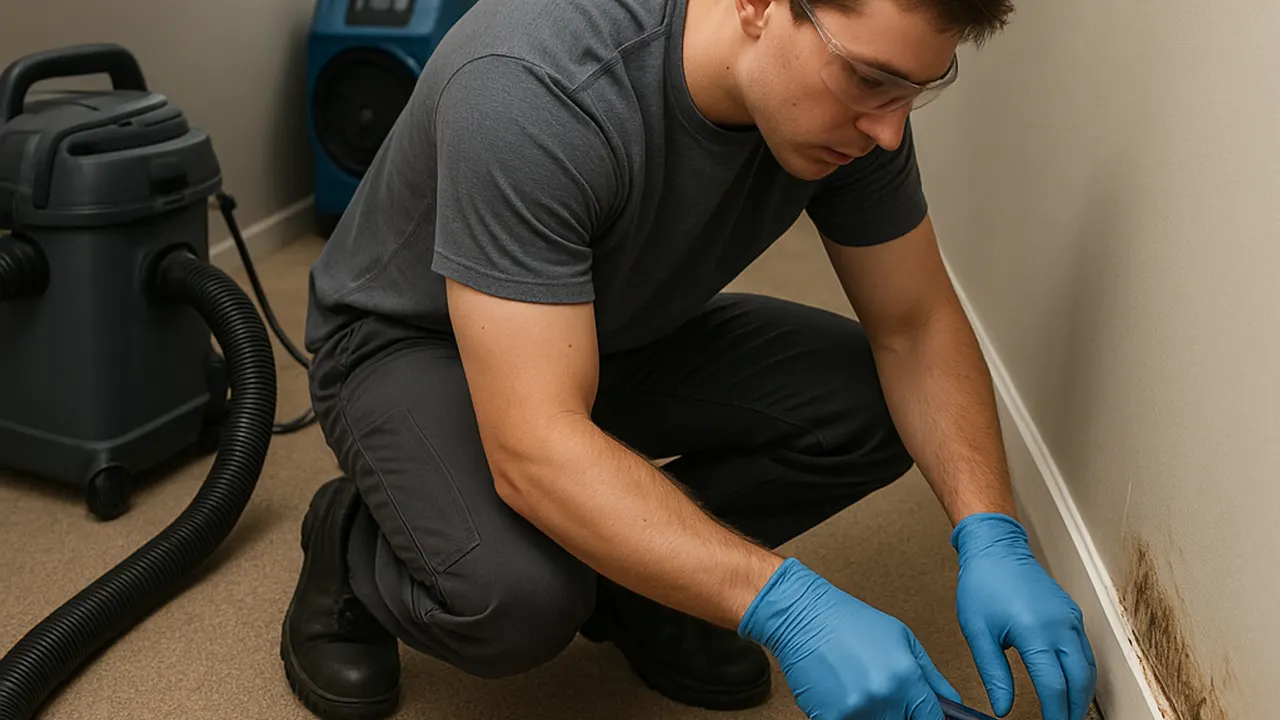
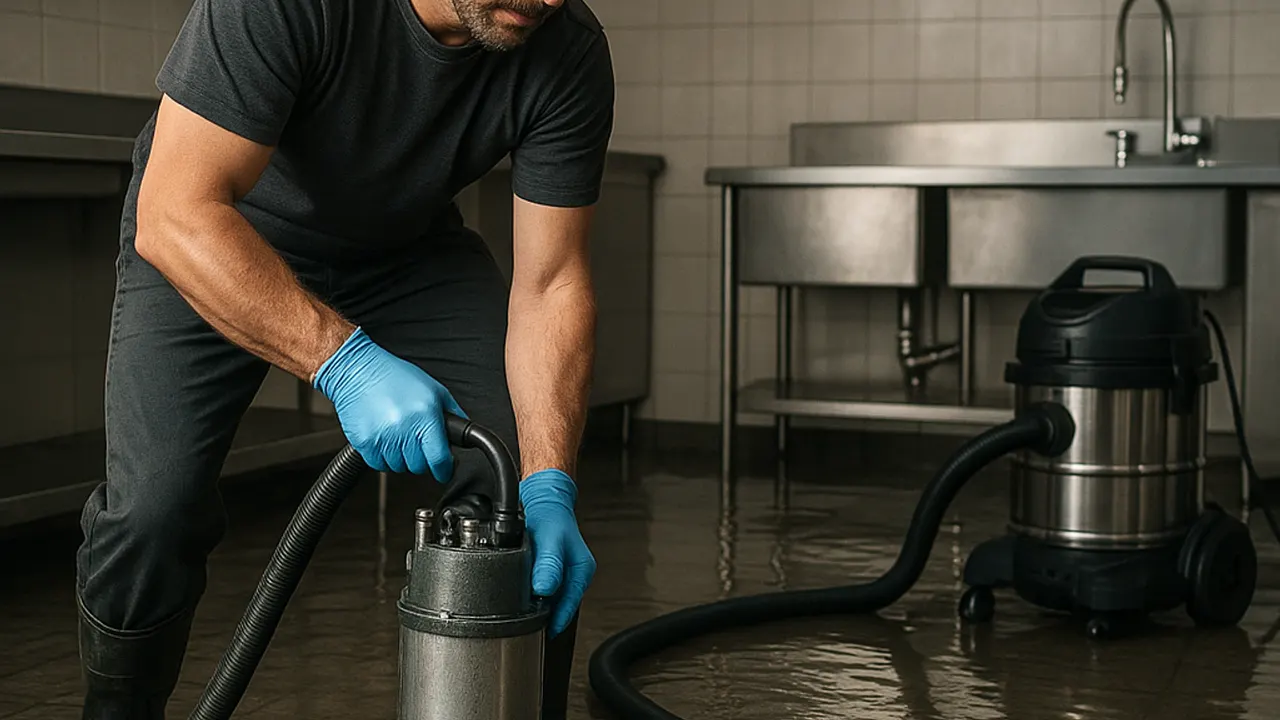
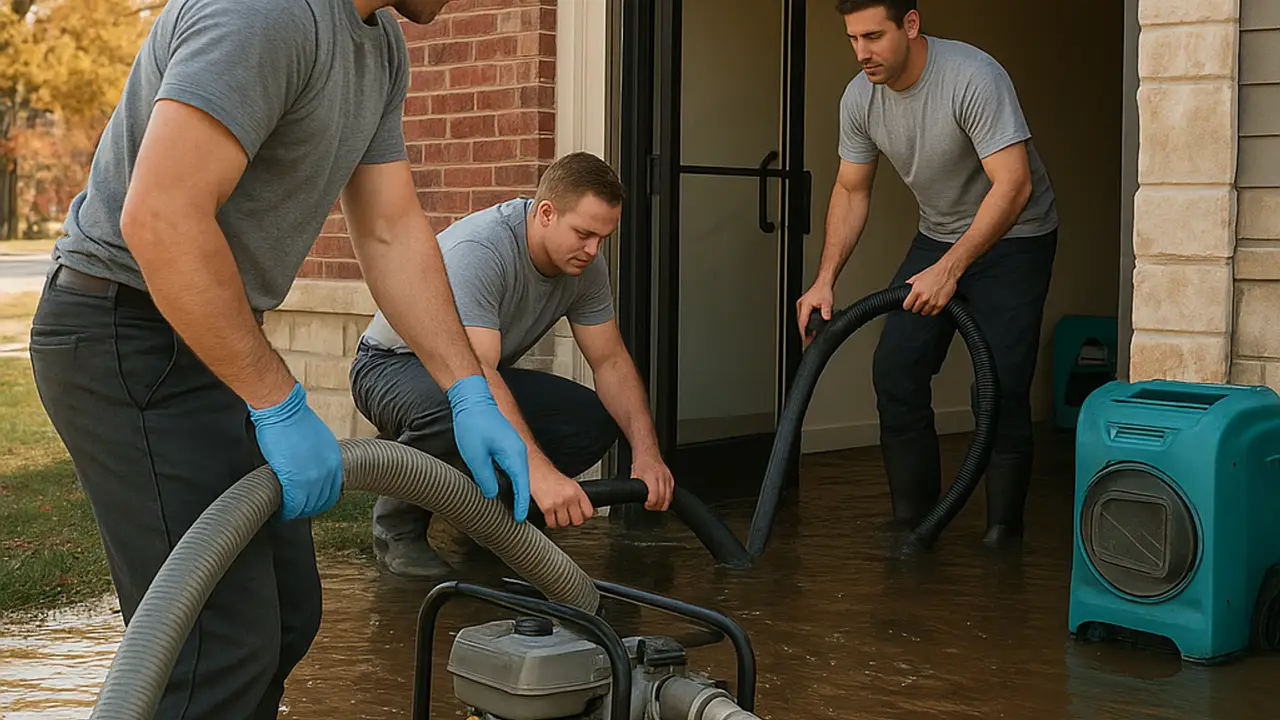
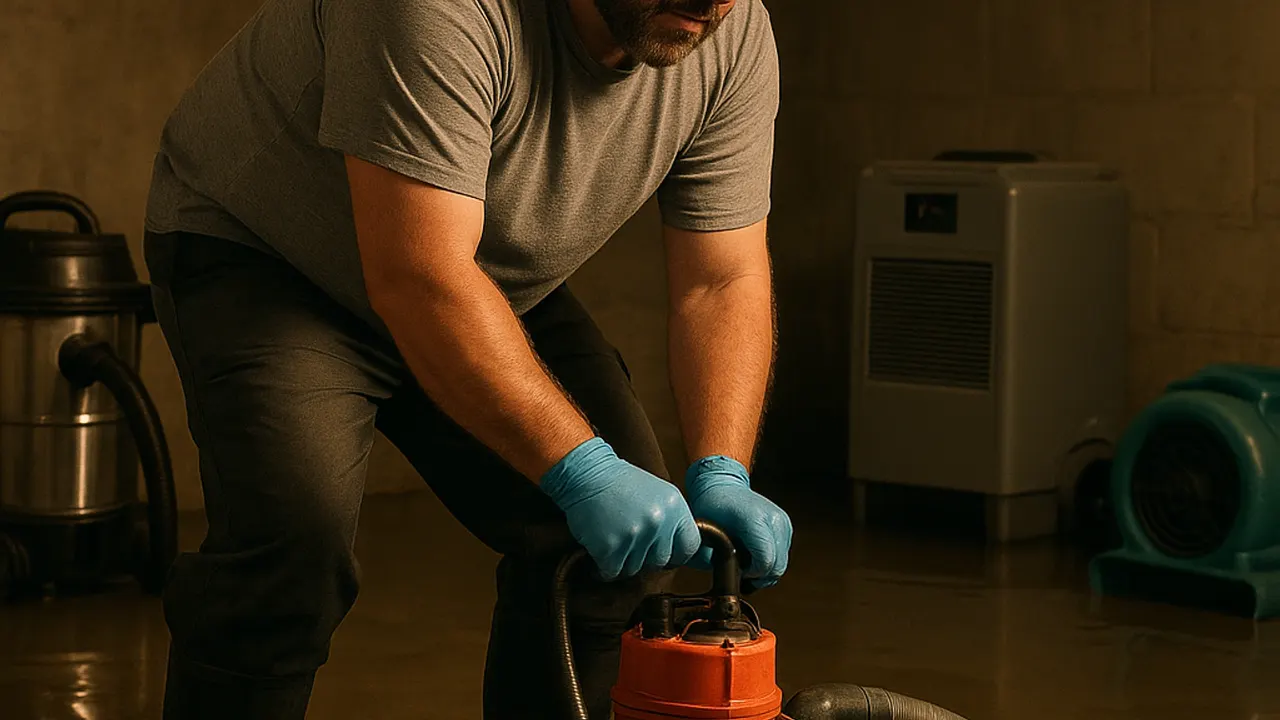
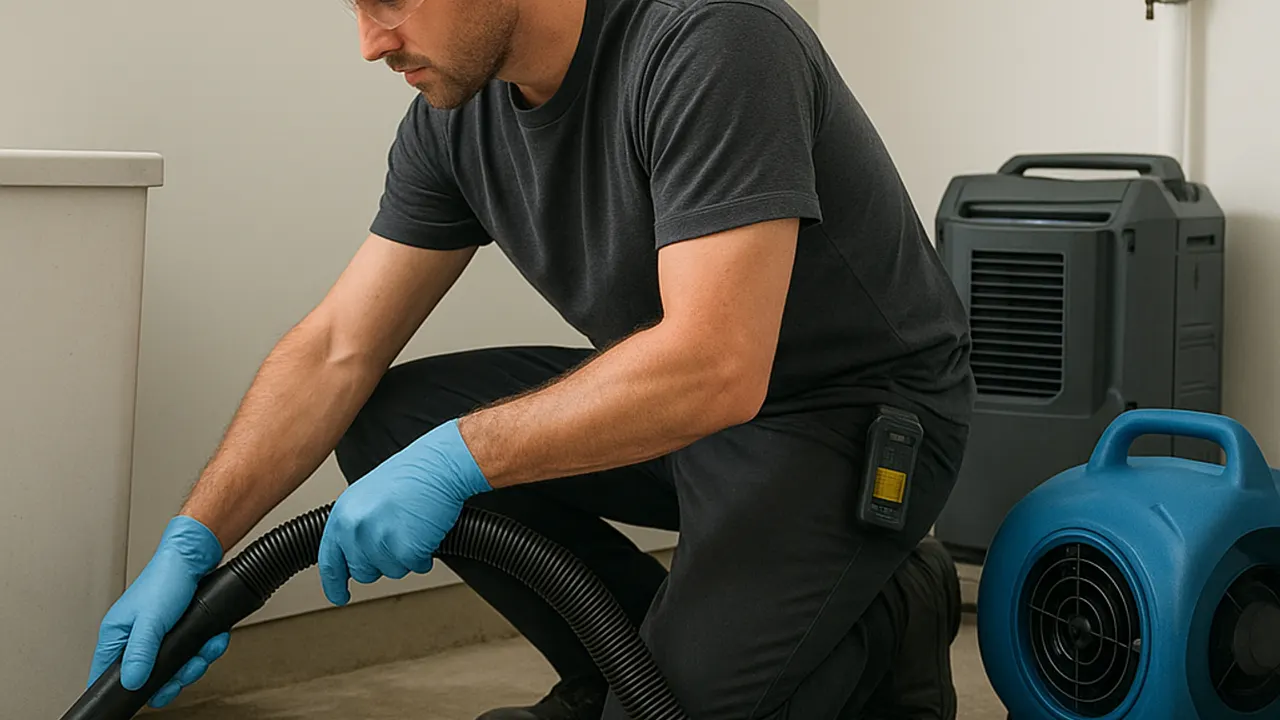
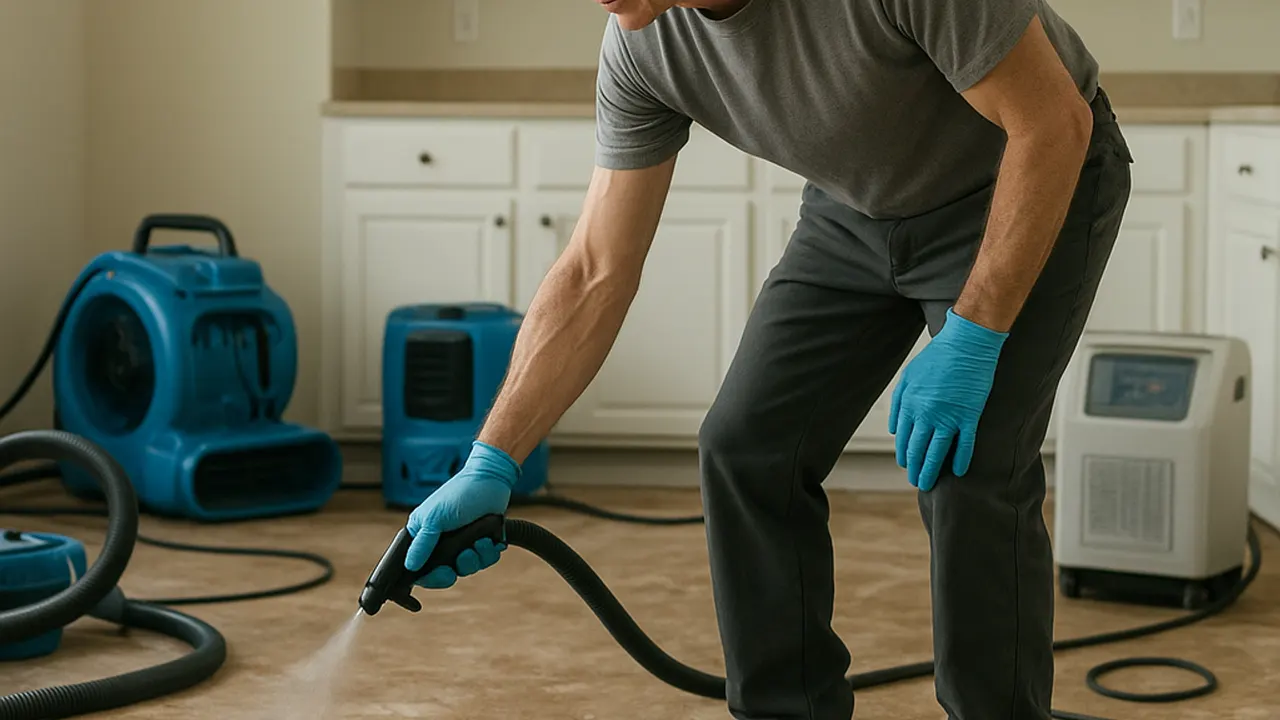
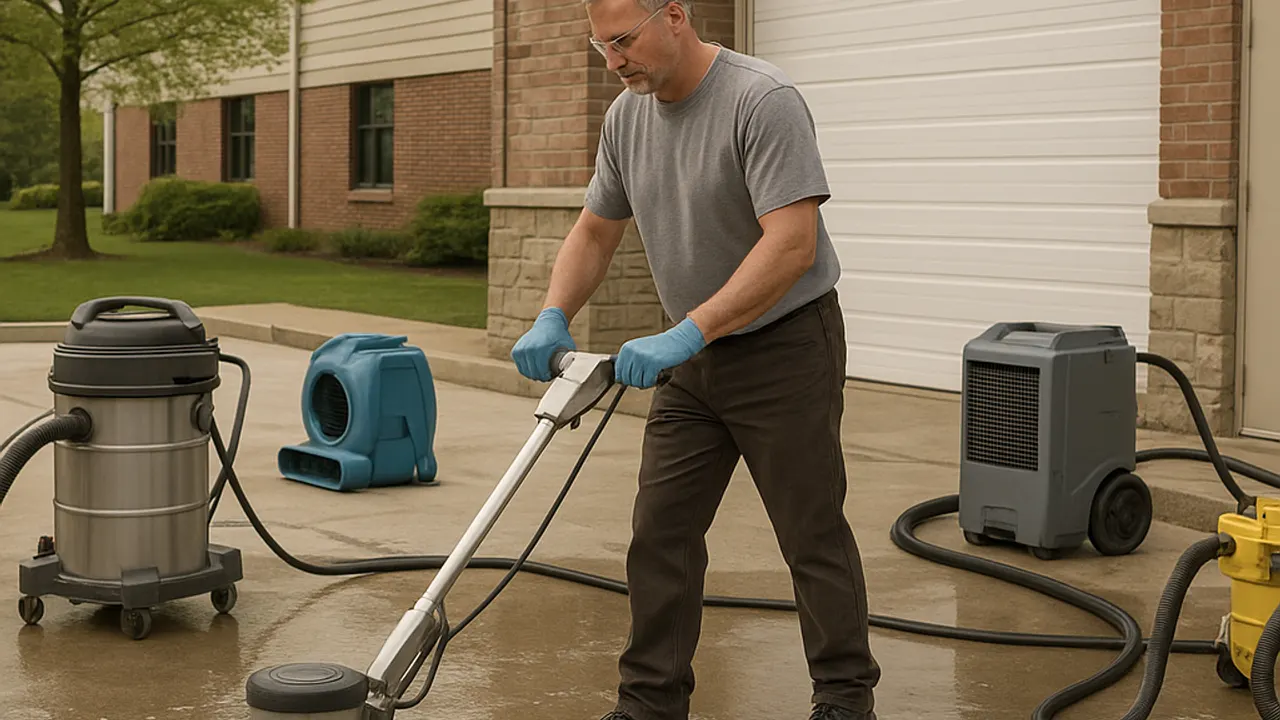
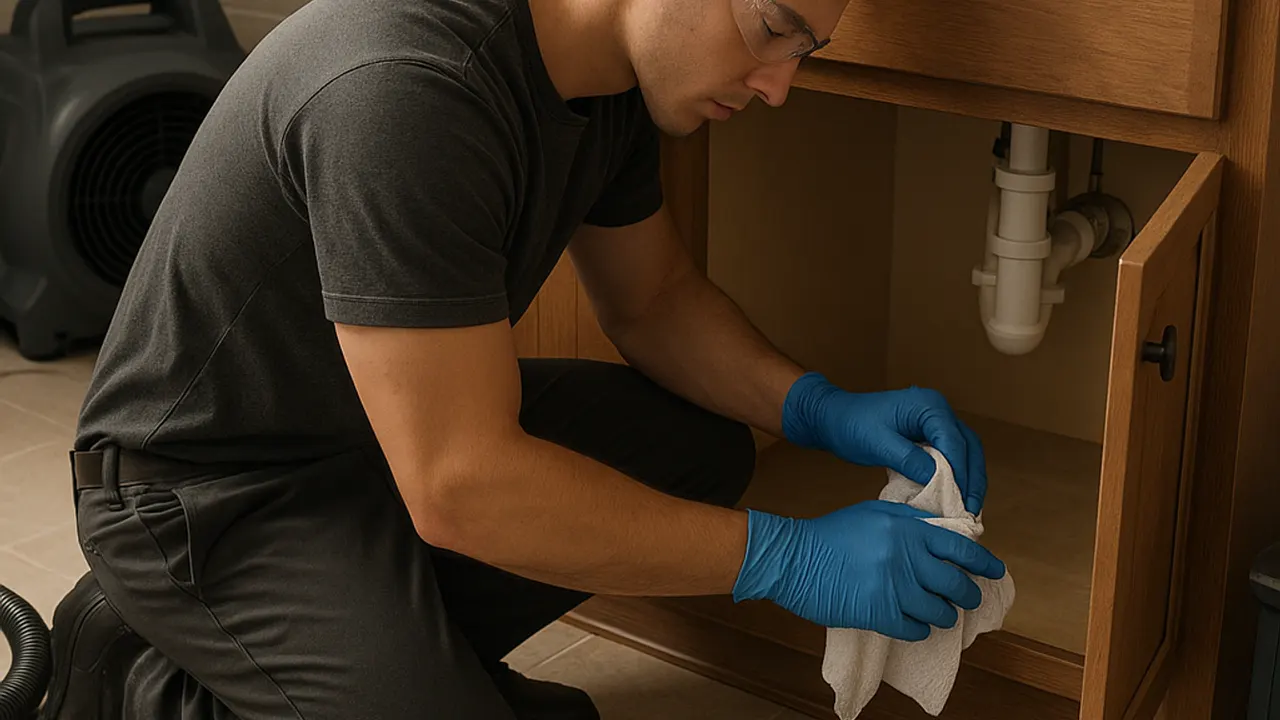
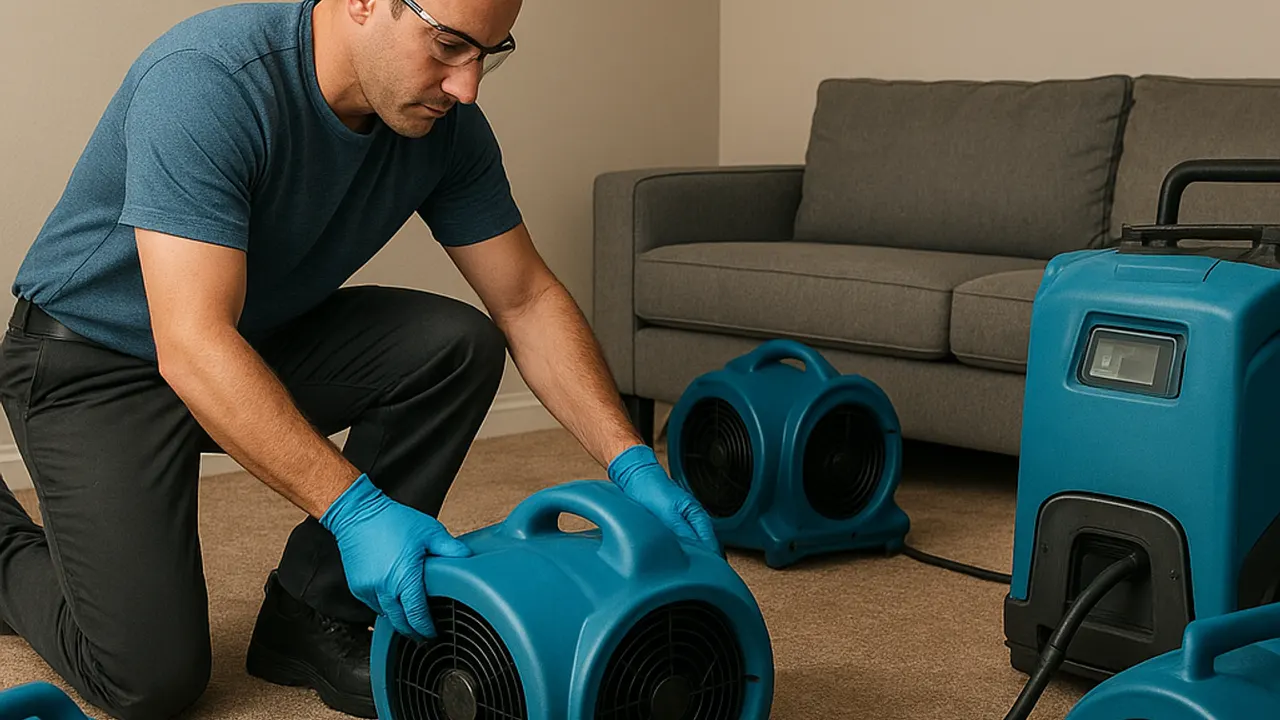
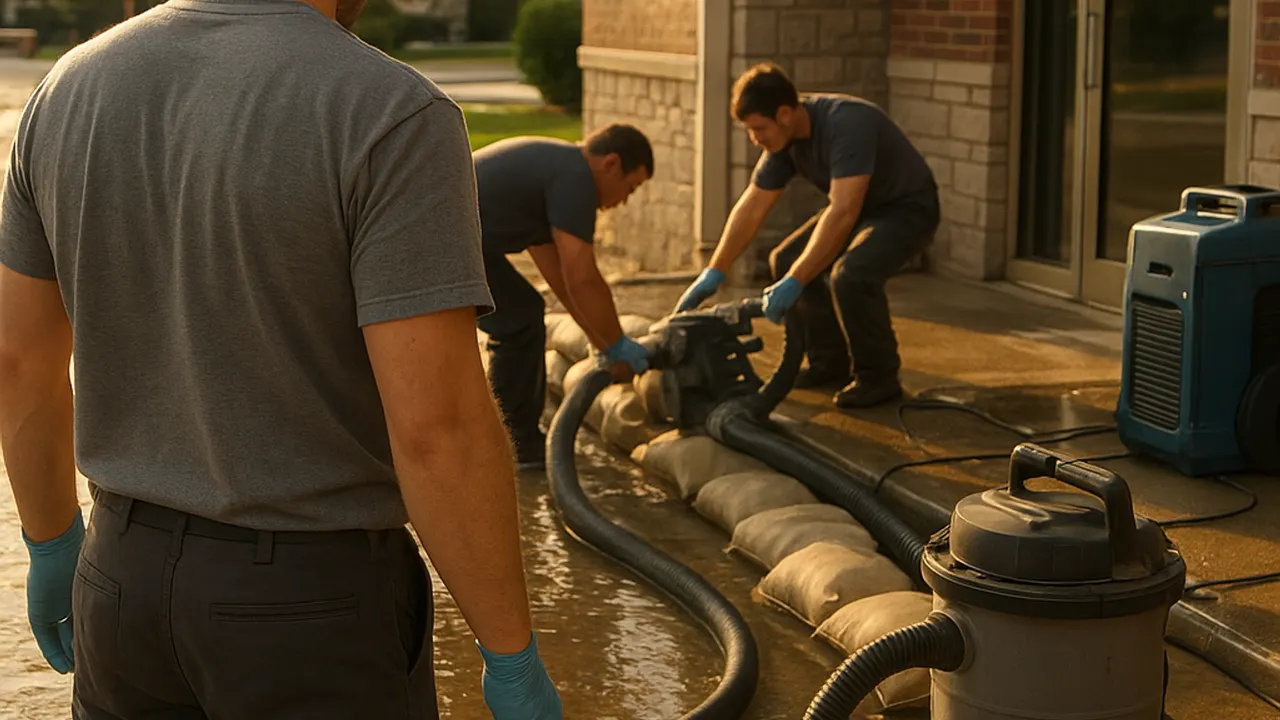
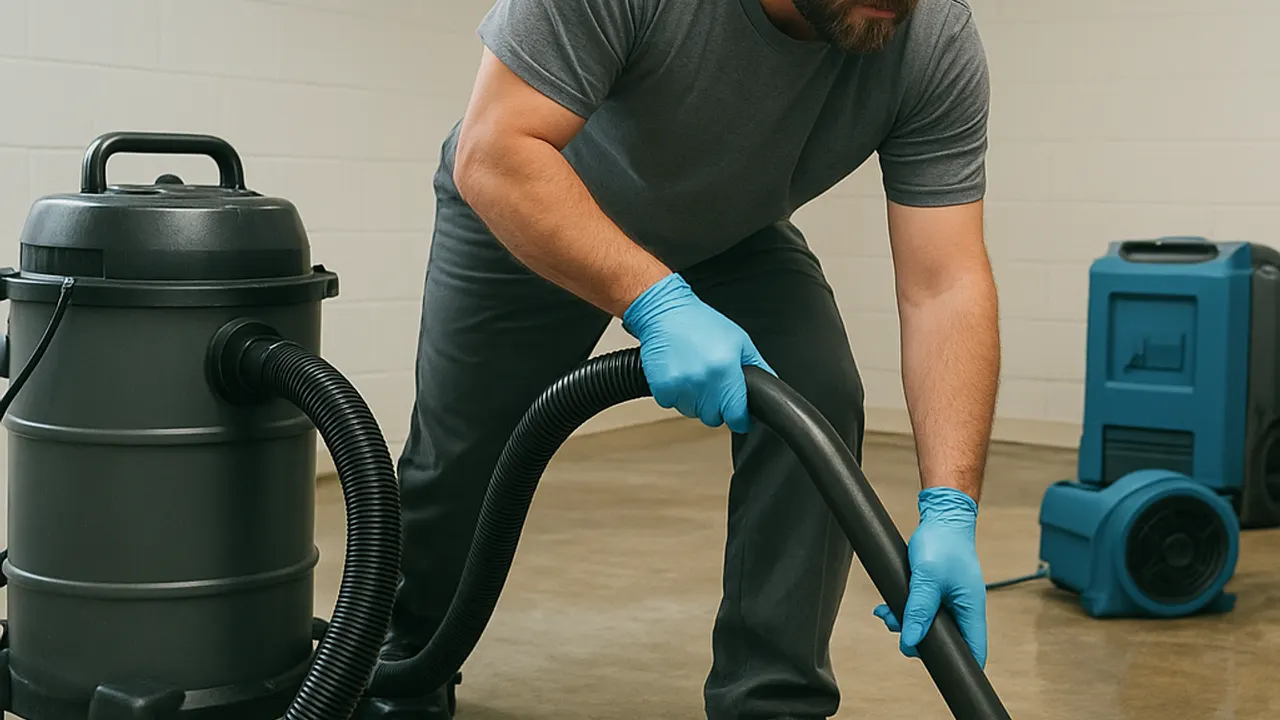
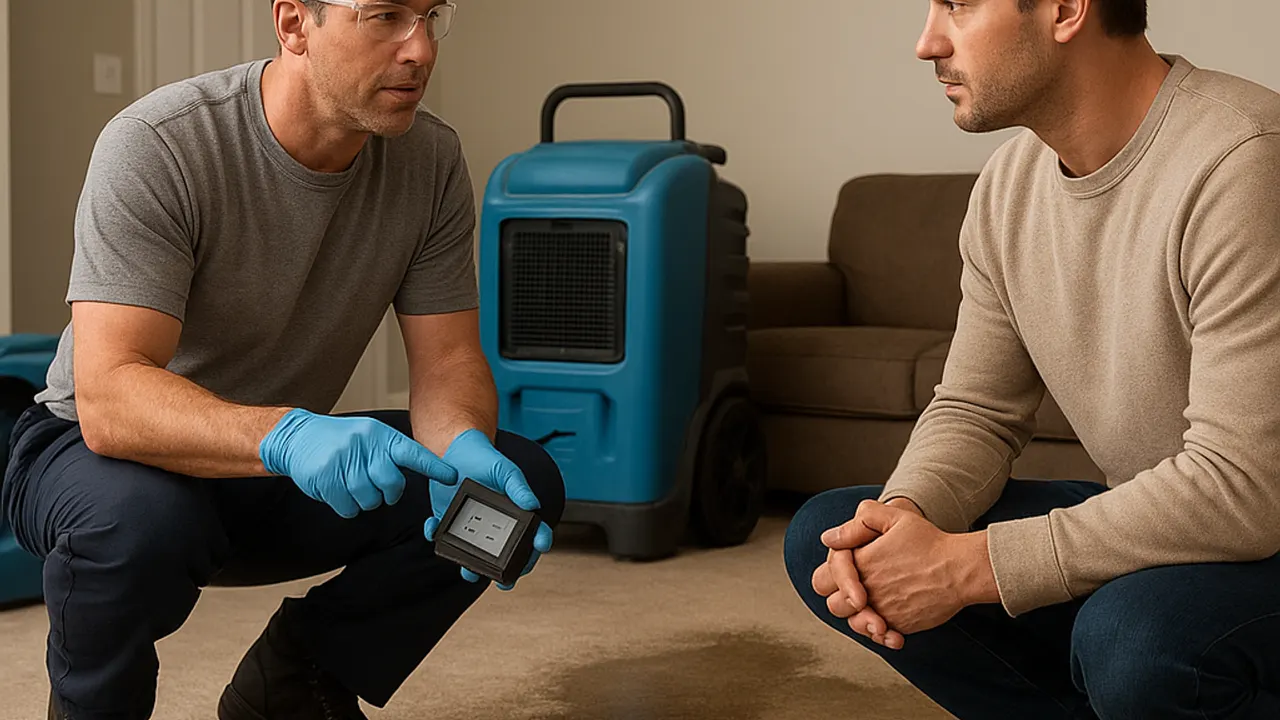
Carpet water extraction Indianapolis IN helps homeowners, renters, and property managers recover after leaks, flooding, or an overflowing appliance. Our crew removes standing water, checks carpet and padding saturation, and sets drying equipment to limit damage to floors and walls. For water removal from carpet Indianapolis residents can call Water Pump Masters when a room is soaked and waiting risks secondary damage.
Measured readingsWe compare wet and dry reference points.
Protected pathwaysWe plan equipment routes through your space.
Clear explanationsWe explain findings before the next step.
Progress checksWe review moisture as drying continues.
What carpet extraction includes
Carpet extraction covers the assessment and removal of recoverable water from affected carpet, followed by guidance on drying. We check visible carpet, accessible edges, and nearby materials, then choose equipment for the room and water depth. Additional cleanup, contaminated-water handling, carpet or padding removal, and structural restoration are determined by the source and condition of materials, because extraction by itself does not repair a leak or restore damaged building components.
Initial room assessment
We walk the affected area with you, identify the reported source, and look for visible water movement. The check includes carpet boundaries, accessible baseboards, and nearby floor transitions so the work does not stop at the obvious wet spot.
Standing water removal
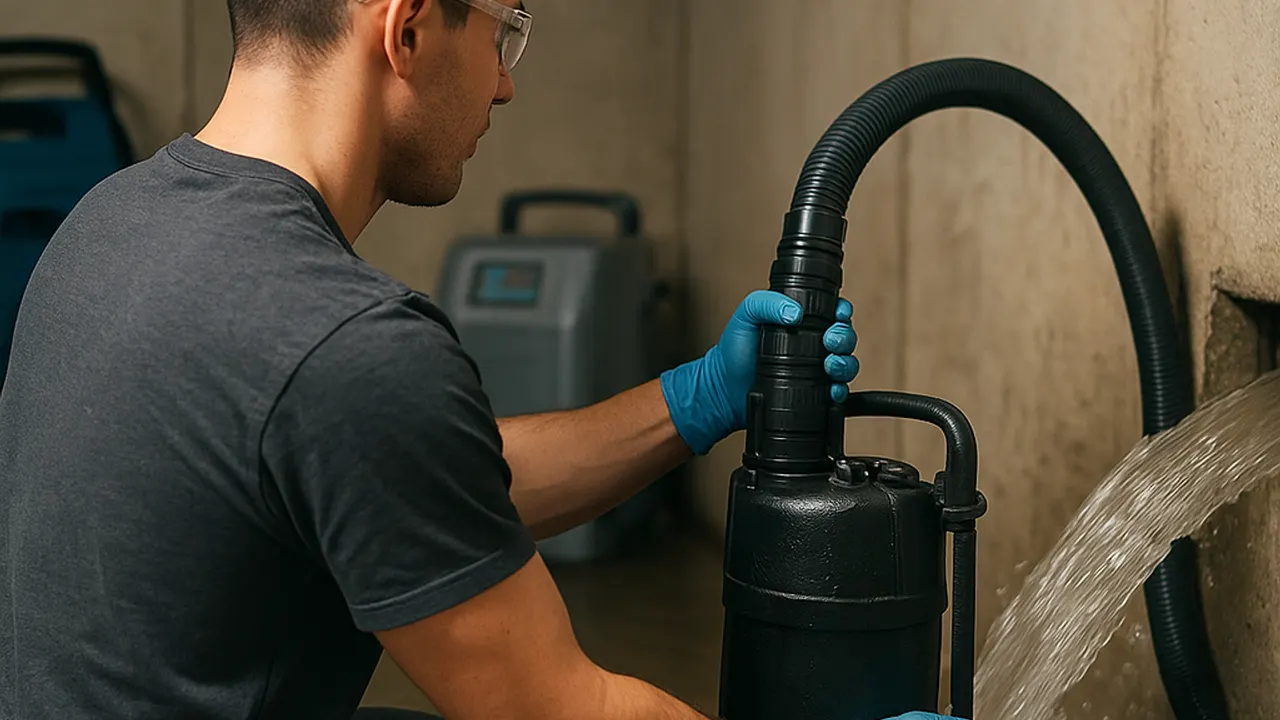
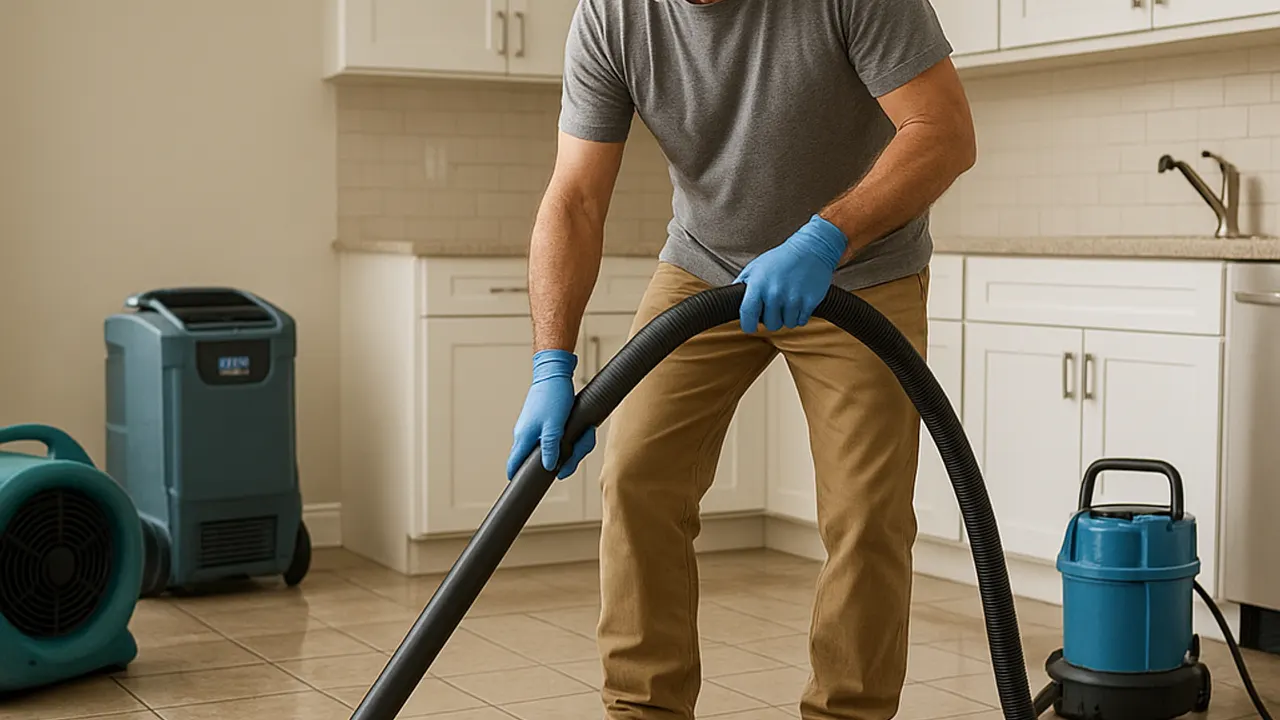
We remove pooled water with a pump or extraction equipment suited to the depth and access. This first pass reduces free water before we work across the carpet and prevents equipment from being used inefficiently in deep standing water.
Carpet extraction passes
We make overlapping passes across wet carpet to draw out recoverable water. The method and number of passes depend on carpet construction, moisture levels, and access. We reassess the area rather than relying on appearance alone.
Moisture checks
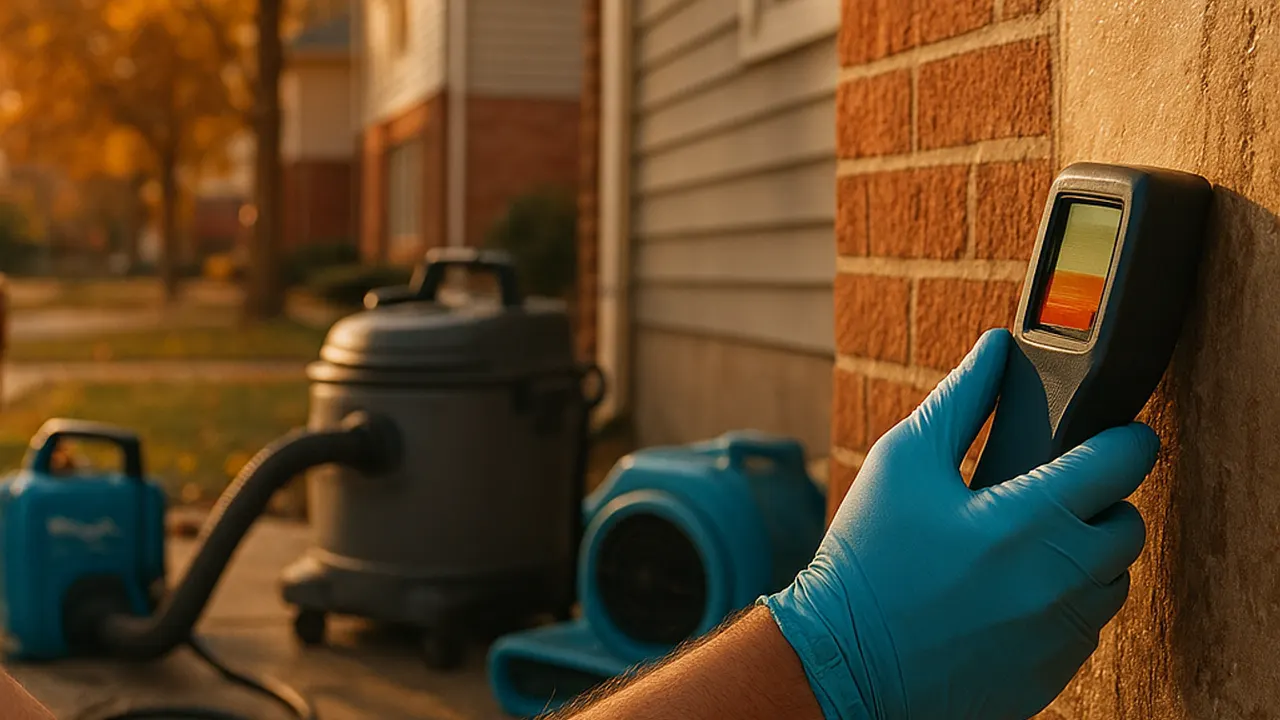
We use a moisture meter to compare affected carpet and nearby materials with drier reference areas. Readings help guide equipment placement and follow-up. We explain the results in practical terms so you know what remains wet.
Drying recommendations
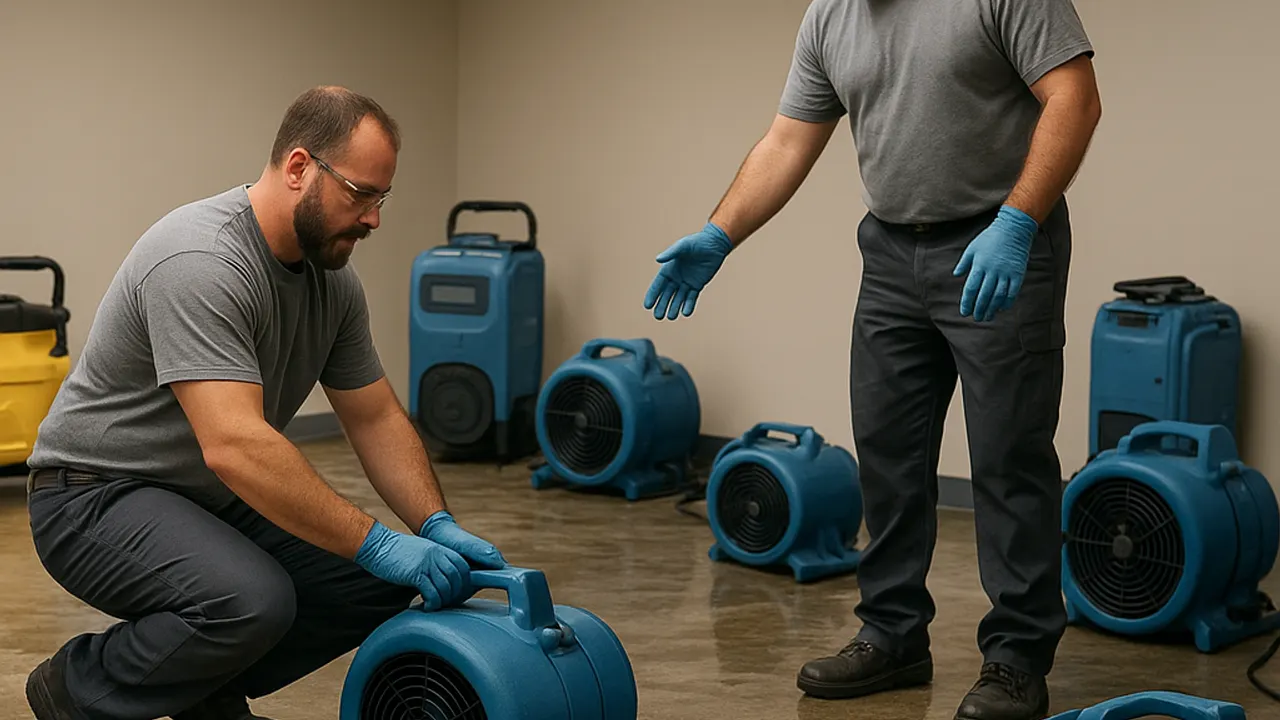
When materials are suitable for drying, we place air movers and a commercial dehumidifier based on the room layout.
Homes and businesses.
The approach is the same for a home and a business. What changes is the access, the schedule and who needs the paperwork.
Homes and rentals
We help homeowners and tenants identify wet carpet, protect nearby belongings, and understand which materials need extraction or drying. We explain equipment placement and what to expect while the room dries.
Basement carpet after sump failure
Appliance leak across a living room
Burst pipe near hallway flooring
Business properties
We work with owners and property managers to assess wet carpet while considering building access and daily operations. We plan equipment placement around walkways, rooms in use, and shared corridors.
Rainwater in a ground-floor office
Apartment hallway after an overflow
Retail carpet near an entry
Carpet water extraction Indianapolis IN explained
A plain-language look at what Carpet Water Extraction involves and when it is needed.
Carpet water extraction Indianapolis IN is a water damage cleanup service that removes liquid from carpet and padding after a leak, flood, or plumbing failure. We first identify the water source and affected area, then extract free water with equipment suited to the room and floor covering. A moisture meter helps us compare readings in wet and unaffected areas; drying equipment follows when the carpet is salvageable. The goal is to reduce retained moisture, protect the subfloor, and establish whether additional restoration is needed.
Indianapolis homes face waterlogged rooms after basement flooding, burst pipe water damage, sump pump failure, and stormwater intrusion. Older houses with wood floors and finished basements need careful moisture checks, while apartment and commercial spaces often need a quick route to limit disruption. Our Indianapolis carpet water extraction service starts with the source and water category, not just the visible stain. If you need emergency carpet water extraction Indianapolis IN, we remove accessible water and explain the next drying steps.
Extraction removes recoverable water; measured drying checks determine what the carpet and nearby materials need next.
What it does
Removes recoverable water from carpet after leaks, flooding, or plumbing failures.
When needed
Use it when carpet or padding is wet and water remains in the material.
What happens
We assess, extract, measure moisture, and explain drying steps.
What to expect during extraction
Carpet water extraction Indianapolis IN follows a straightforward sequence: identify the source, assess materials, remove water, set drying equipment, and check progress. A typical single-room extraction takes about one to three hours, while drying can continue for 24 to 72 hours depending on materials and moisture load.
Find the source
We begin by asking what happened, when the water appeared, and whether the leak or overflow has stopped. On arrival, we walk the affected rooms with you and look for standing water, wet edges, and nearby electrical hazards. If water is still entering, we identify the immediate control needed before extraction begins. You see the plan before equipment is moved inside.
Source check
Room walk
Safety review
Map wet materials
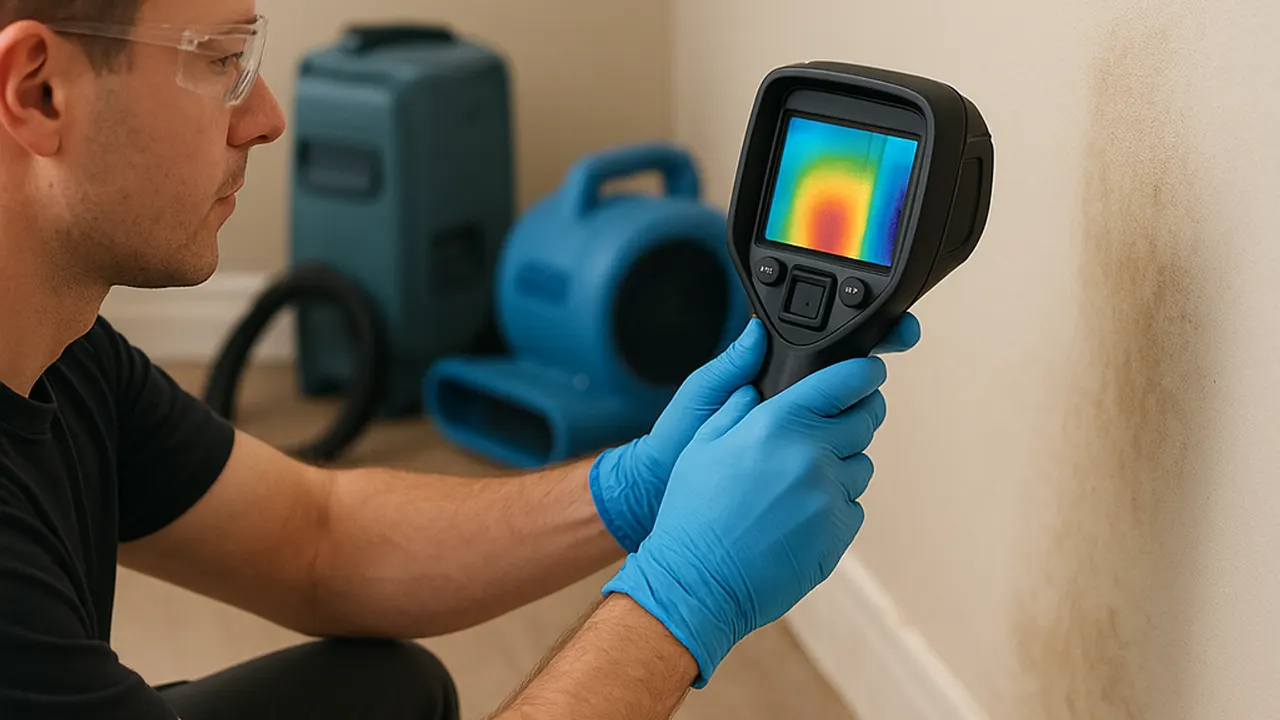
We check carpet, padding, baseboards, and reachable floor edges, recording moisture readings at affected and comparison points. A thermal imaging camera can help locate temperature patterns that suggest hidden wet areas, but we confirm findings with direct measurement. This check usually takes 15 to 30 minutes for a modest room and helps prevent missed moisture beyond the visible stain.
Moisture map
Material check
Reading notes
Extract standing water
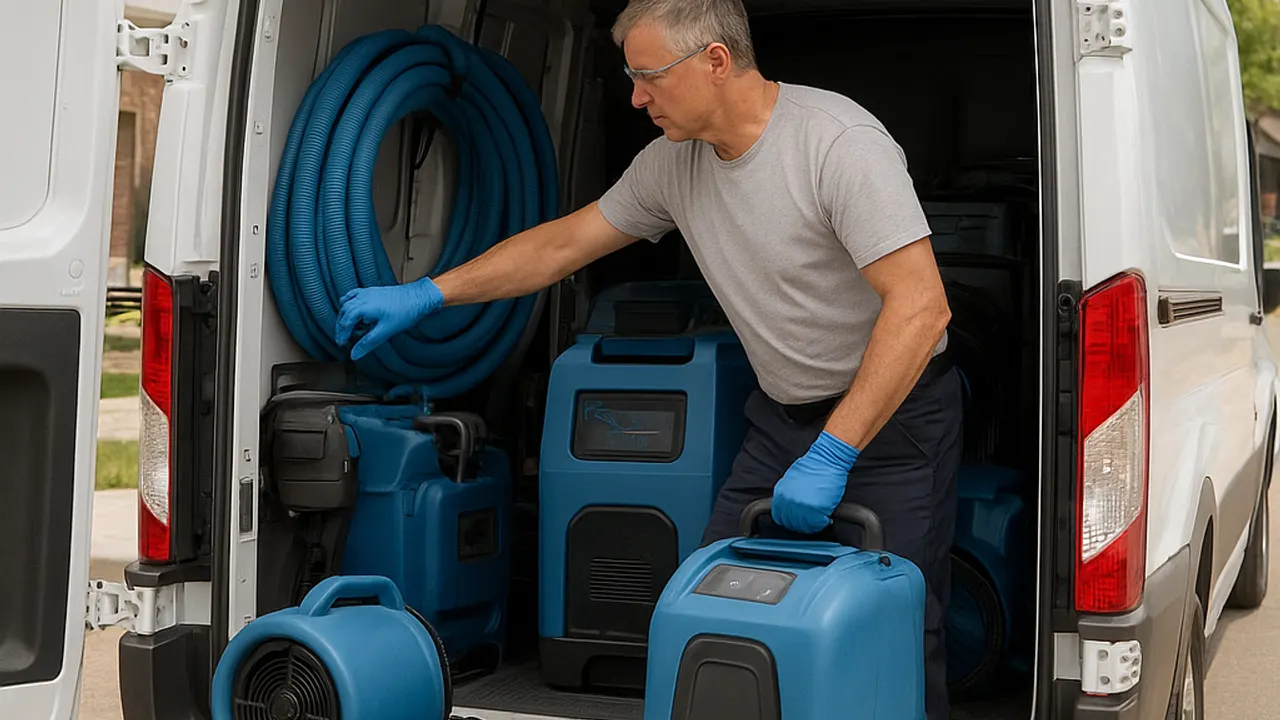
We use a truck-mounted water extraction unit for accessible areas or a portable extraction unit where stairs, parking, or room access make it the better fit. A submersible pump handles deeper pooled water before carpet passes begin. We work in overlapping lanes and repeat passes until recoverable water is removed, then reassess the carpet and padding.
Pump water
Extraction passes
Recheck carpet
Set drying equipment
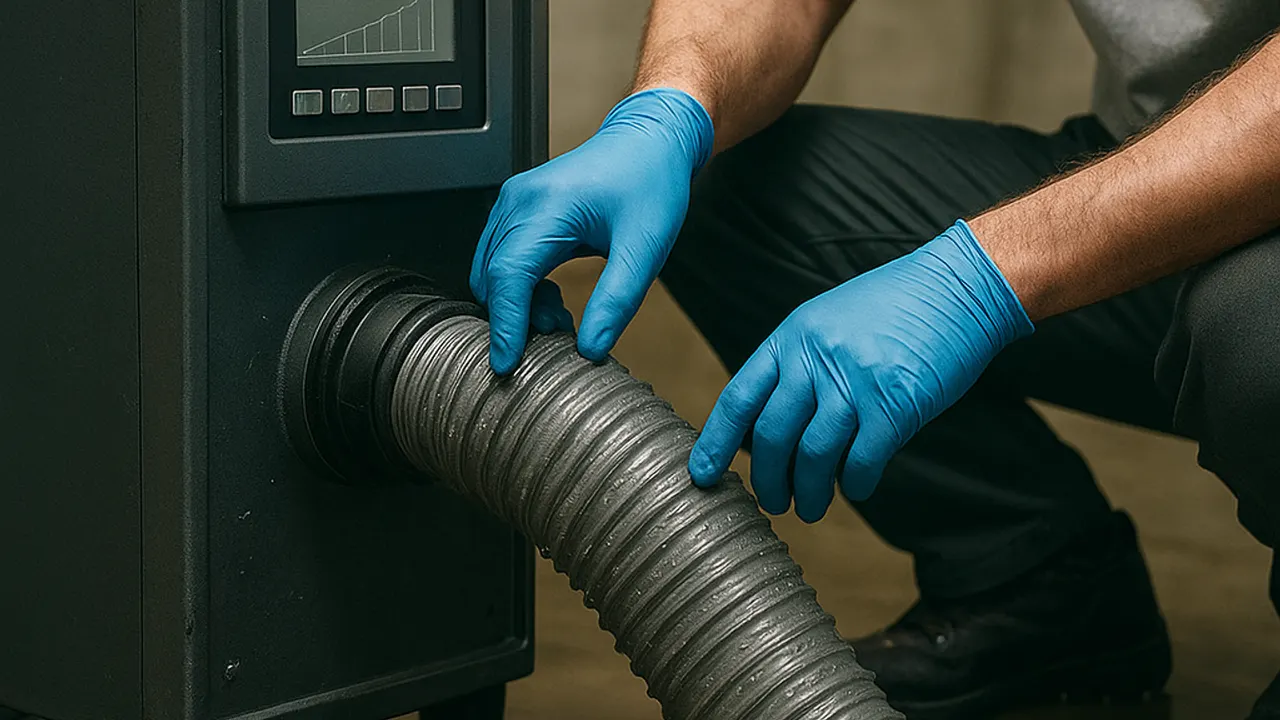
Once extraction is complete, we position an air mover to direct airflow across wet carpet and use a commercial dehumidifier to collect moisture from the room. Equipment placement depends on the room layout, materials, and readings. We explain which machines should remain running and what sounds or airflow you should expect while drying continues.
Airflow setup
Dehumidification
Use guidance
Check and close out
We return or coordinate a follow-up reading after the initial drying period, often within 24 hours when the job requires active monitoring. We compare readings, adjust equipment, and discuss whether carpet and padding are drying as expected. You receive the next-step recommendation, including cleaning, repair, or removal if material condition or water quality calls for it.
Follow-up readings
Adjust equipment
Next steps
Extraction tools and methods
Move across a circle, or focus it and press Enter, for an illustrative thermal view of the photograph.
Truck-mounted water extraction unit
We use the unit for accessible rooms where hose routing and parking permit setup. Its strong suction removes recoverable water across broad carpet areas before drying equipment is installed.
Portable extraction unit
A portable unit suits upper floors, narrow access, and locations where a truck-mounted hose cannot reach conveniently. It lets our crew work room by room without relying on vehicle access.
Submersible pump
We use a submersible pump to reduce deeper standing water before carpet extraction begins. Clearing pooled water first makes it easier to assess the carpet and use extraction equipment efficiently.
Moisture meter
The meter compares moisture in carpet and nearby materials with unaffected reference points. We use readings to document conditions and guide drying checks, rather than judging by touch alone.
Air mover and dehumidifier
An air mover directs airflow across wet surfaces, while a commercial dehumidifier collects moisture from the room air. Together they support drying after recoverable water has been extracted.
Thermal views are illustrative, generated from the photographs.
Methods
ANSI/IICRC S500-informed assessment
We assess the water source, affected materials, and extent of wetting before choosing extraction and drying actions. The ANSI/IICRC S500 Standard for Professional Water Damage Restoration provides a professional reference for water damage work; we apply its principles to inspection, moisture control, and communication without treating one method as right for every loss.
Overlapping extraction passes
We move methodically across the wet carpet in overlapping lanes, giving each pass a chance to draw out recoverable water. Edges and transitions receive separate attention because water can collect beneath trim or along floor seams. We reassess with moisture readings and repeat where conditions call for it.
Controlled structural drying
After extraction, we place air movers and dehumidification equipment to support evaporation and moisture collection. Placement accounts for room shape, carpet construction, and nearby materials. We check progress with readings and adjust the setup if moisture remains, rather than relying on a preset number of machines.
When to request carpet extraction
Pipe leak
A burst supply pipe wets carpet and hallway flooring in an older Meridian-Kessler home.
We confirm the water source has stopped, remove standing water, and extract affected carpet in overlapping passes. We check transitions into hardwood flooring and look at nearby baseboards for moisture. If the padding is saturated, we explain drying or removal based on its condition and the water source.
Outcome: The homeowner gets a measured view of the affected rooms, less recoverable water in the carpet, and practical next steps for drying or repair.
Basement rain
Heavy autumn rain overwhelms a basement sump pump in a Broad Ripple property.
We begin with pooled-water removal, then inspect basement carpet, padding, and lower wall edges. A portable extraction unit can navigate stairs and tight access; drying equipment follows after extraction. We also note whether stormwater debris changes the cleanup required.
Outcome: The basement moves from pooled water to active drying, with the carpet and adjoining materials assessed rather than guessed at.
Apartment overflow
An appliance leak spreads into carpet in a Downtown Indianapolis apartment.
We identify the wet area and work within the building's access route, protecting the path to the affected unit. The team extracts recoverable water, checks carpet edges and nearby trim, and sets equipment where airflow can reach the damp area without blocking the whole room.
Outcome: The tenant and property manager know which section is affected, what equipment is running, and when moisture should be checked again.
Water heater leak
A water heater leaks onto carpet and laminate flooring before a holiday gathering.
We stop the immediate spread by removing pooled water, then separate the affected carpet area from the laminate transition for inspection. We check seams and edges for moisture and explain what can dry in place. If materials have lifted or absorbed contaminated water, we identify the required next action.
Outcome: You get a clear, room-by-room picture before deciding how to prepare the space for guests or schedule further repairs.
Broad RippleIrvingtonDowntown Indianapolis
How carpet extraction works in Indianapolis
Indianapolis carpet drying has to account for seasonal weather and varied building construction. October rain can bring water through basement entries and foundation edges; winter freezes raise the risk of burst pipe water damage, while spring storms can overwhelm a sump system. Older homes around the central neighborhoods may have finished basements, wood floors, and narrow stairways that affect equipment access.
Our crew selects a truck-mounted or portable unit based on the route into your property and checks carpet boundaries, baseboards, and adjacent floors. Indianapolis carpet water extraction service also means identifying whether water came from a clean supply line or stormwater, because that changes cleaning decisions.
For how to dry carpet after water damage in Indianapolis, the key is to remove recoverable water, measure surrounding materials, and keep airflow and dehumidification matched to the room. We serve Marion County and use ZIP coverage that includes 46217 and 46214, with additional service in 46219. We explain the condition we find and the next step before equipment is removed.
Broad Ripple: Older houses and finished lower levels can require a close check of carpet edges, basement trim, and stair access before equipment is placed.
Irvington: Established homes often have mixed flooring transitions, so we check where wet carpet meets hardwood and inspect accessible baseboard edges.
Downtown Indianapolis: Apartment and commercial access can involve elevators, shared corridors, and limited staging space; we plan hose or portable equipment placement accordingly.
Fountain Square: Basement rooms and older floor assemblies make it important to assess the perimeter, not only the carpet surface in the center of the room.
Autumn rain and spring storms push water toward basement entries: Water can spread from a threshold across carpet before it is noticed, bringing grit and debris with it. We remove pooled water first and assess water quality before recommending a drying or cleaning approach.
Winter freezes increase burst-pipe losses: A pipe failure can release water quickly into carpet and adjoining rooms. We focus first on confirming the source is controlled, then extract and check flooring transitions where water can travel beyond the original leak.
We walk the wet area with you and explain what the first inspection covers.
We protect the route, position suitable equipment, and begin water removal.
We check readings, explain drying progress, and identify practical next steps.
From problem to finished result.
IllustrativeThe thermal view is generated from the photograph. It is not a measurement. Drag the handle, or use the arrow keys once it is focused.
Basement leak under control
Before: A leaking utility line left approximately 120 square feet of basement carpet wet, with water visible along the wall and beneath a storage shelf. The surface felt heavy, but the owner could not tell whether the padding or nearby baseboard had absorbed water. The leak was stopped before our crew began the room assessment.
After: We extracted standing water and made overlapping passes across the affected carpet, then checked the perimeter with a moisture meter. Two air movers and a dehumidifier supported drying, with readings reviewed at follow-up. The owner had a clear record of the affected area and a recommendation for the carpet and padding based on measured conditions.
Keep the utility area clear enough to spot a new leak, and check the sump system before heavy rain. After any plumbing failure, stop the source and move stored items away from wet carpet so inspection and extraction can begin.
Rainwater removed from entry carpet
Before: Stormwater entered a ground-floor room and spread across roughly 65 square feet of carpet near the exterior door. Fine debris remained at the threshold, and water reached the laminate transition. The occupants were concerned that the visible wet patch might extend beneath the trim.
After: We removed free water, extracted the carpet, and checked the entry edge and laminate seam. The crew identified the wet boundary and set airflow to address the carpet without blocking the doorway. Follow-up readings showed which materials still needed drying attention, giving the occupants a specific next step rather than an estimate based on appearance.
After rain, inspect exterior thresholds and clear water away from the entry promptly. Keep absorbent mats from covering a wet floor, since trapped moisture can hide a spreading edge and delay discovery.
Apartment overflow extracted
Before: An appliance overflow soaked carpet across one room and into a short hallway in an apartment near downtown. Water was no longer entering, but the carpet remained saturated and the shared corridor limited equipment staging. The property manager needed the area assessed without blocking access for other residents.
After: We used portable extraction equipment suited to the unit's access, removed recoverable water from the room and hall, and checked the carpet boundary near the baseboards. Drying equipment was positioned clear of the main route. The manager received a summary of readings and the next check needed for the affected area.
Check appliance hoses and connections during routine cleaning, and keep the shutoff accessible. If an overflow occurs, stop the appliance, keep people clear of wet electrical areas, and report which rooms and transitions were affected.
Problems solved by carpet water removal
Wet carpet is often one visible part of a larger water loss. We trace the affected area, remove recoverable water, and check whether moisture has reached padding, flooring, or wall edges. Acting early gives you a clearer choice between drying, cleaning, and material removal.
Saturated paddingCarpet and padding stay soaked after a pipe leakWater trapped below the carpet can remain after the surface feels dry, increasing odor risk and allowing moisture to affect floor materials. We identify the leak area, extract accessible water from carpet, and assess the padding and floor edges with direct checks. If the padding remains saturated or the water source makes reuse inappropriate, we explain the removal option. Drying equipment is positioned only after recoverable water is removed.
Flooded basementBasement carpet floods after a sump pump failurePooled basement water can spread across carpet, reach stored belongings, and wick into lower drywall or trim before the source is controlled. We pump standing water first, then assess carpet condition and nearby materials. Our crew checks the perimeter for wet baseboards and looks for concealed moisture at accessible wall edges. Once the room is cleared enough for extraction, we remove recoverable water and lay out the next drying steps.
Stormwater debrisStormwater enters through a door or foundation edgeRainwater can carry soil and debris into carpet seams, leaving contamination concerns alongside wet padding and flooring. We determine where water entered and whether it carried visible debris, then select an appropriate cleanup approach. Carpet floodwater extraction in Indianapolis starts with removing standing water and evaluating the affected materials; if water quality makes carpet reuse unsuitable, we explain why cleaning or removal is safer than simple drying.
Hidden wall moistureA damp carpet hides moisture near wallsMoisture can travel beneath trim and into drywall or insulation, so a dry-looking carpet does not prove the wall assembly is dry. We check the carpet boundary, baseboards, and accessible wall surfaces with moisture readings. Where readings suggest a wider affected area, we explain what further inspection or restoration is needed. That helps you avoid closing up a room while wet materials remain concealed.
What effective extraction changes
Less retained water, clearer material decisions, and a measured path toward drying.
Less water in padding
Carpet can look nearly dry while its padding remains saturated. We use extraction passes and moisture readings to check beyond the surface, then set air movers where airflow can reach the damp assembly. For wet carpet water removal Indianapolis IN, that means addressing the hidden reservoir rather than leaving moisture trapped below your feet.
Earlier floor protection
Standing water can seep into hardwood flooring, laminate flooring, and seams around the room. We remove pooled water before it spreads farther and check vulnerable edges and transitions. A quick response does not erase existing damage, but it gives your floor assembly a better chance of drying before swelling or finish changes become more extensive.
A clearer drying plan
You receive a practical explanation of what is wet, what equipment is working, and which readings need follow-up. We use a moisture meter to compare affected materials with dry reference points rather than guessing by touch. That makes decisions about carpet reuse, padding removal, or additional drying easier to understand.
Reduced odor risk
Damp carpet left without airflow can develop a stale smell as moisture remains in fibers and padding. Extraction removes bulk water first; directed air movement and dehumidification then support drying. If the water was contaminated, we discuss appropriate cleaning and material removal instead of treating extraction alone as a complete cleanup.
What you receive
Clear records you can keep and share.
Reading log
Recorded moisture checks for affected areas.
Photo notes
Images documenting visible conditions and equipment.
Work summary
A brief record of extraction steps completed.
Next steps
Follow-up guidance based on observed conditions.
Extraction and drying are different
Extraction removes recoverable liquid; drying manages remaining moisture in carpet, padding, and nearby materials.
Surface water
Free water visible on carpet or flooring.
Pump deeper pools first
Remove accessible water
Check room transitions
Material moisture
Water held inside carpet, padding, or building materials.
Compare moisture readings
Check accessible edges
Assess padding condition
Drying phase
Air movement and dehumidification support continued moisture removal.
Position airflow deliberately
Track changing readings
Adjust equipment as needed
Surfaces and materials
Carpet
Padding
Baseboards
Hardwood
Laminate
Drywall
Insulation
Floor seams
Service ZIP codes.
A list like this tells people straight away whether you cover their street. Not listed? Call and ask: it only takes a minute.
Water Pump Masters provides carpet water extraction for homes and businesses across Indianapolis, Indiana. We assess the water source, extract standing water, check carpet and padding, and set drying equipment when appropriate. For professional carpet water cleanup Indianapolis IN, call 3177928700 and tell us which rooms are affected, when the water entered, and whether the source is still active. Those details help us prepare for the right equipment and first inspection.
Extract carpet water as soon as it is safe, ideally within 24 hours of the water entering the room. Prompt removal limits the time water sits in carpet padding and reaches floors or walls. Shut off the source if you can do so safely, avoid wet electrical areas, and move people away from contaminated water. We then assess the affected materials and begin extraction before setting a drying plan.
Yes, carpet can sometimes be dried and saved when the water is suitable for cleanup and extraction begins promptly, often within 24 to 48 hours. The decision depends on contamination, how long the padding stayed wet, and whether the backing or floor was damaged. We inspect and measure before recommending drying or removal. Water from sewage or other contaminated sources requires a different response than a clean supply-line leak.
The total depends on square footage, water depth, access, contamination, equipment time, and whether padding removal or follow-up drying is needed. We explain pricing upfront after assessing the affected area. For same-day carpet drying after a flood Indianapolis, call with the room count and water source.
Tell us what happened, where the carpet is wet, and whether water is still entering. Water Pump Masters will discuss the next step and arrange a service response. Call 3177928700 for direct help from our local team.
Call 317-792-8700 to describe a leak, flooded basement, or water-soaked floor and get connected with an independent service company. Share your Indianapolis neighborhood, the water source, and whether the water is still spreading. Hours vary by company, so call to discuss urgent needs and the next practical step.