Basement water removal Indianapolis IN for flooded homes
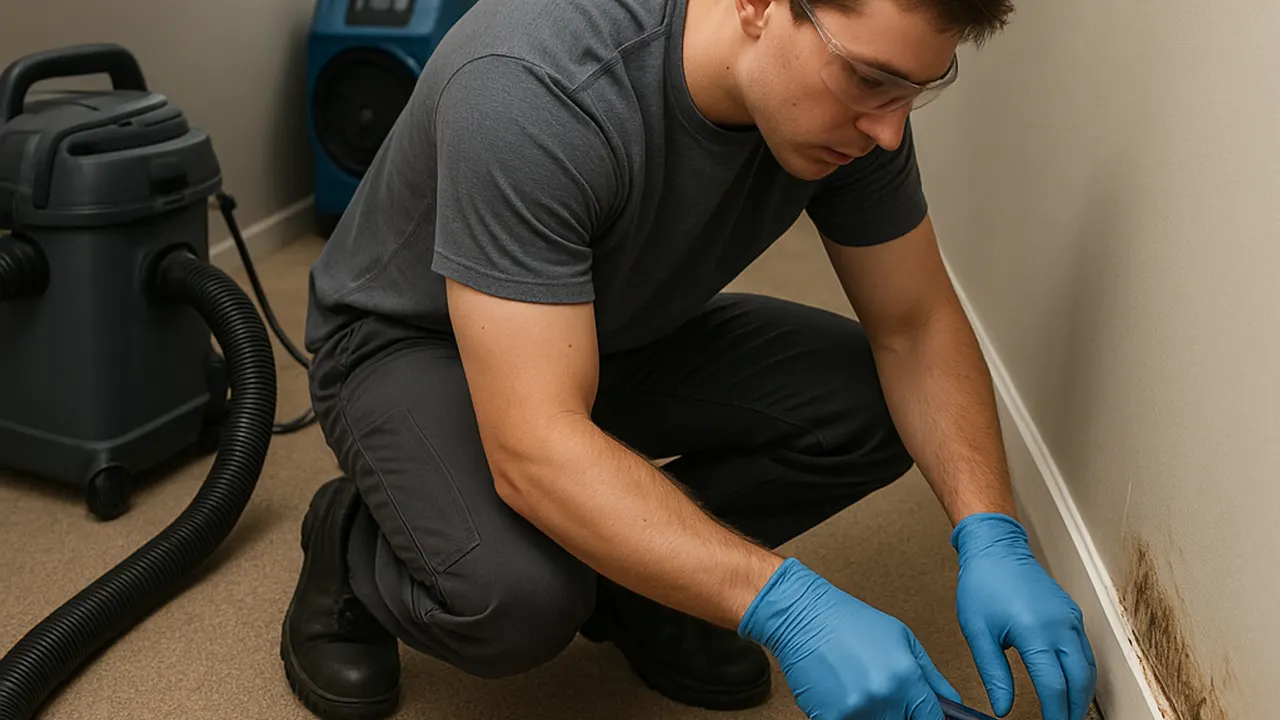
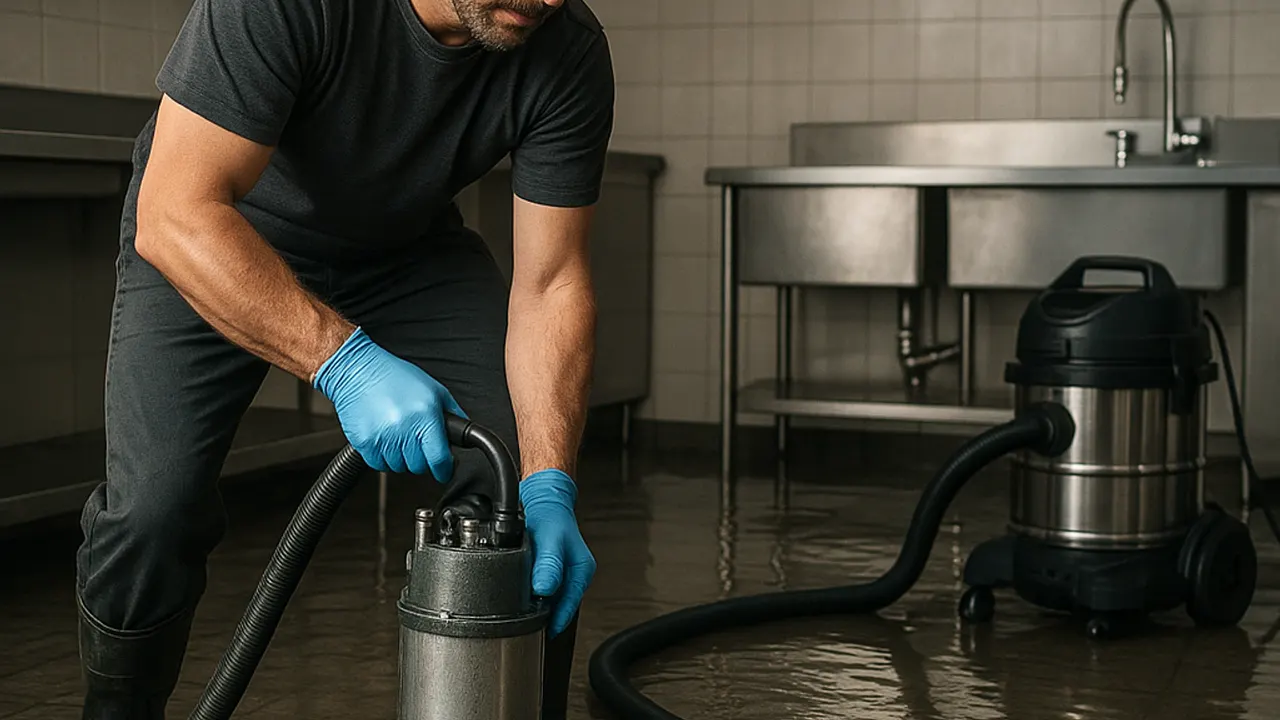
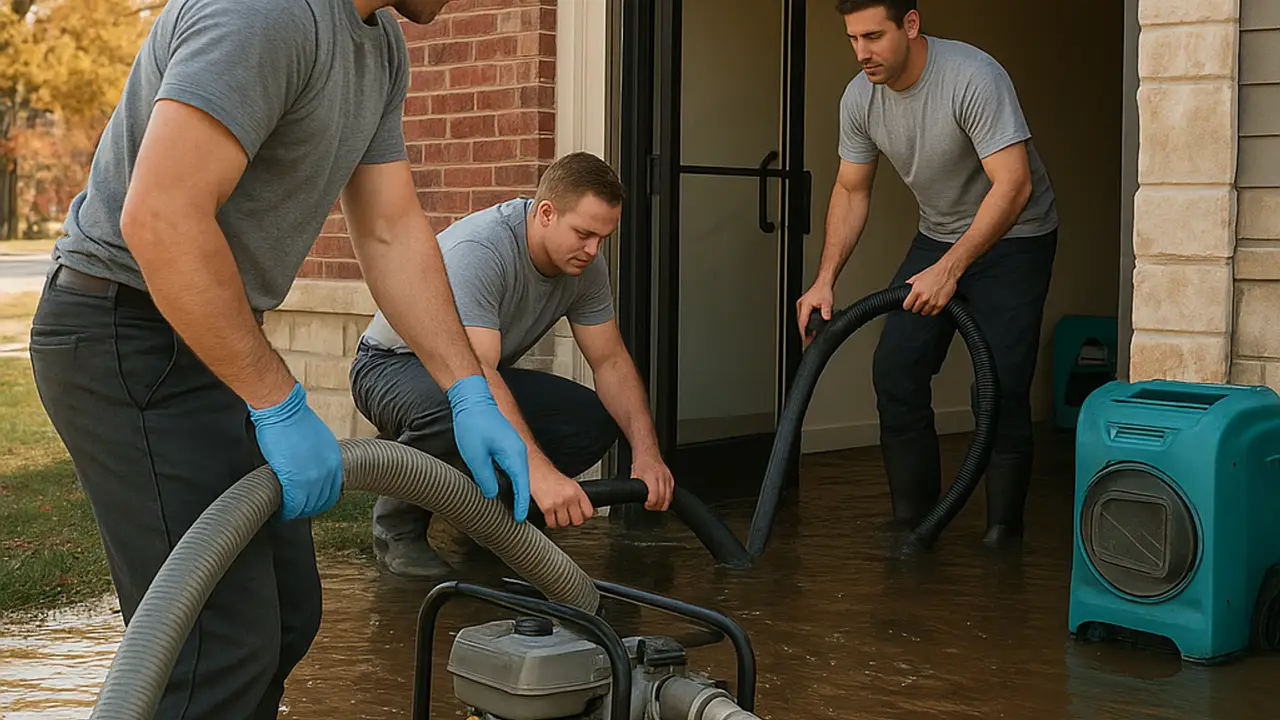
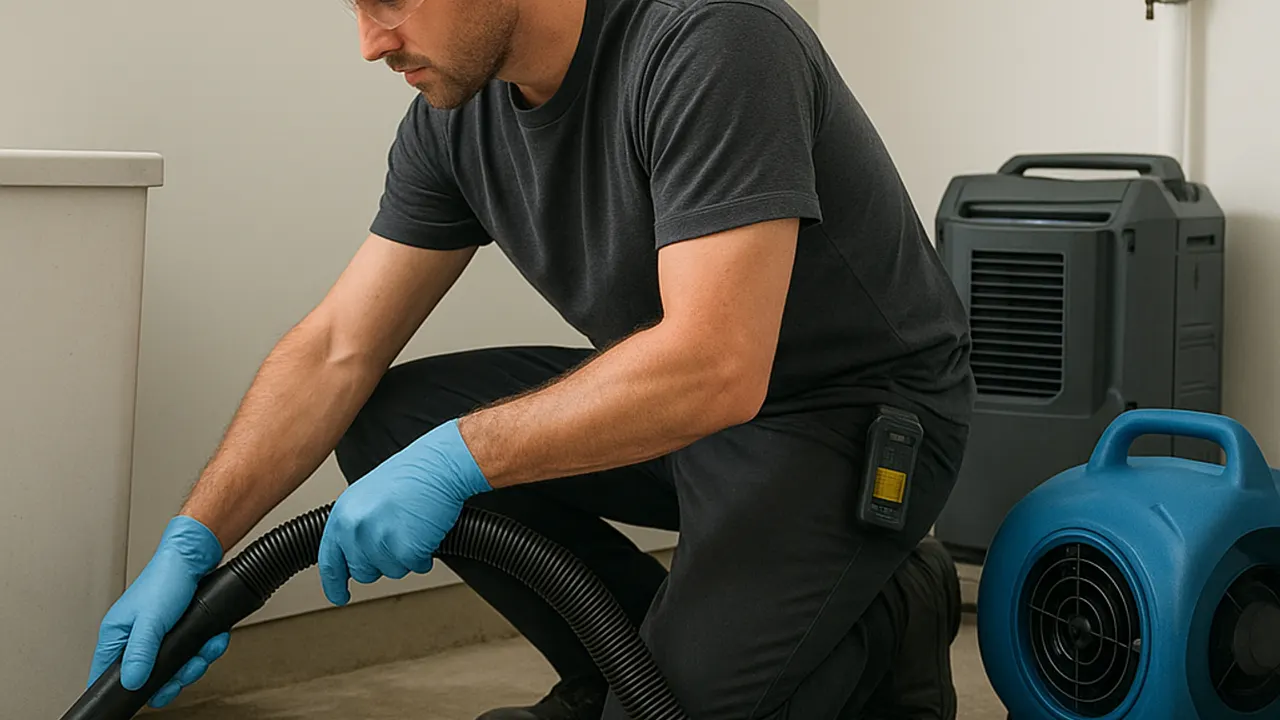
Basement water removal Indianapolis IN helps homeowners and property managers get standing water out before it spreads into walls, flooring, and stored belongings. At Water Pump Masters, we locate the water source, extract floodwater, and check for remaining moisture. Our Indianapolis team handles basement flooding from storms, broken pipes, and failed sump pumps, then explains the next steps for drying and cleanup.
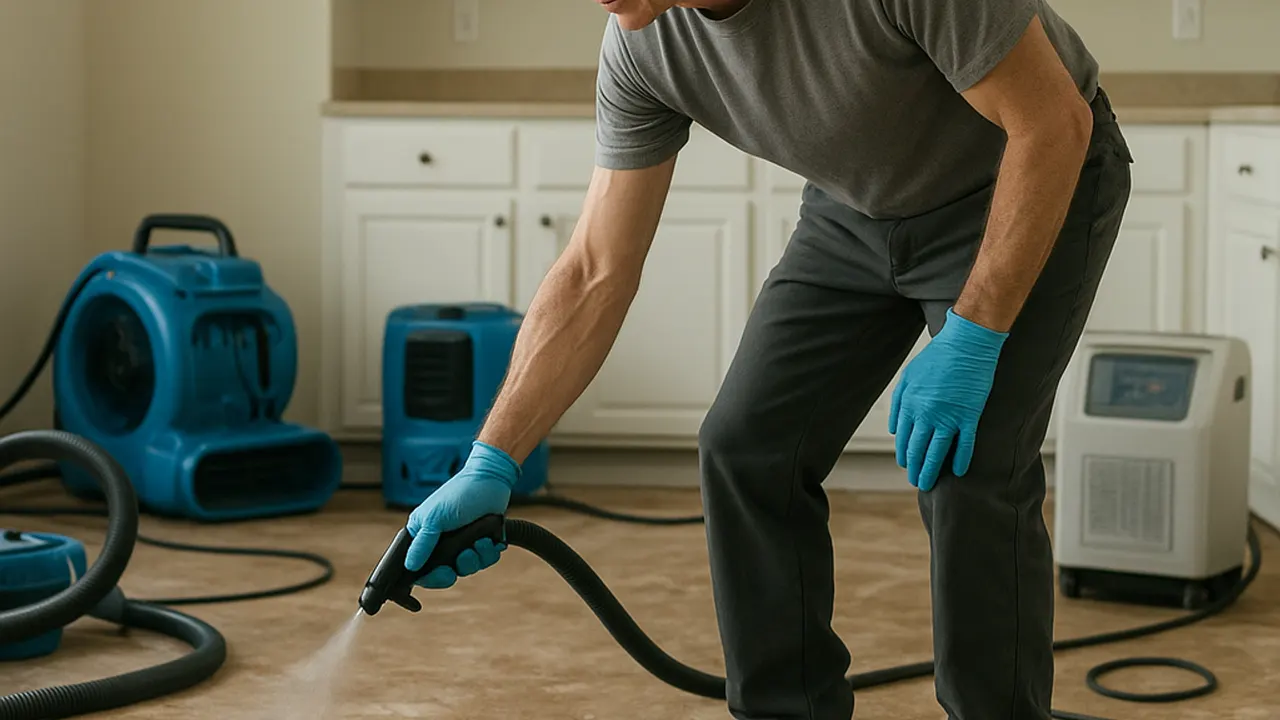
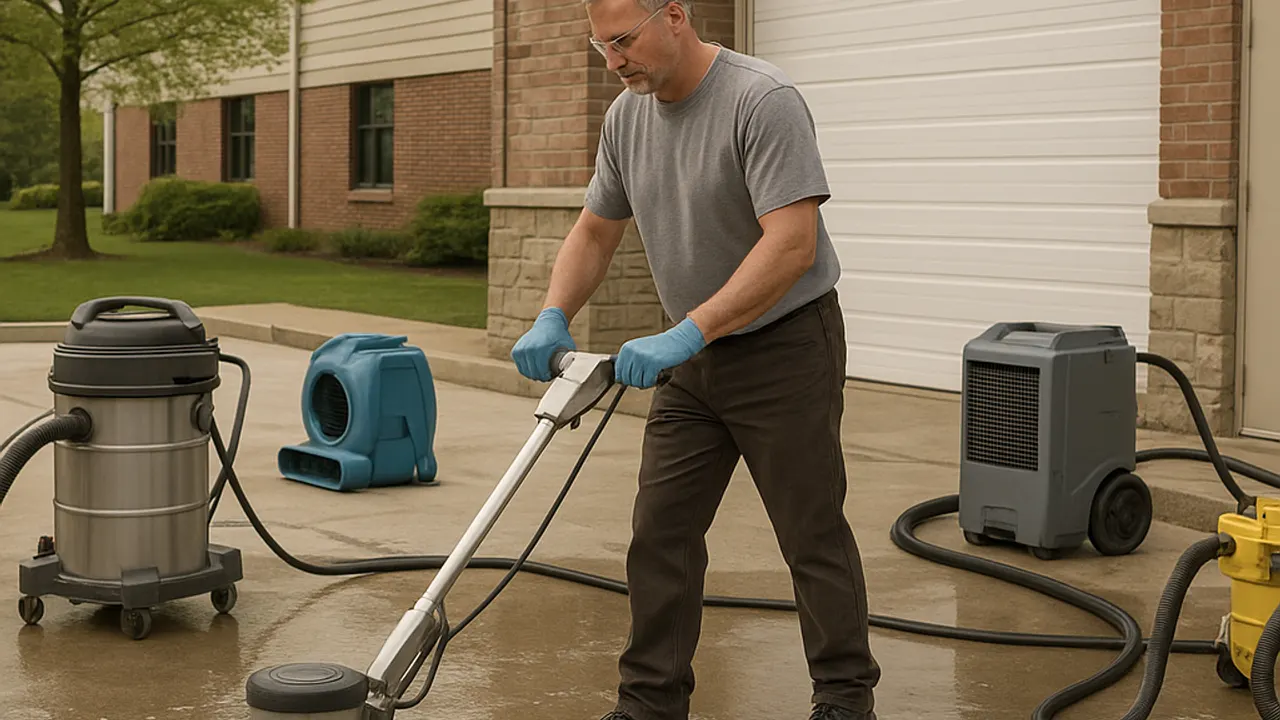
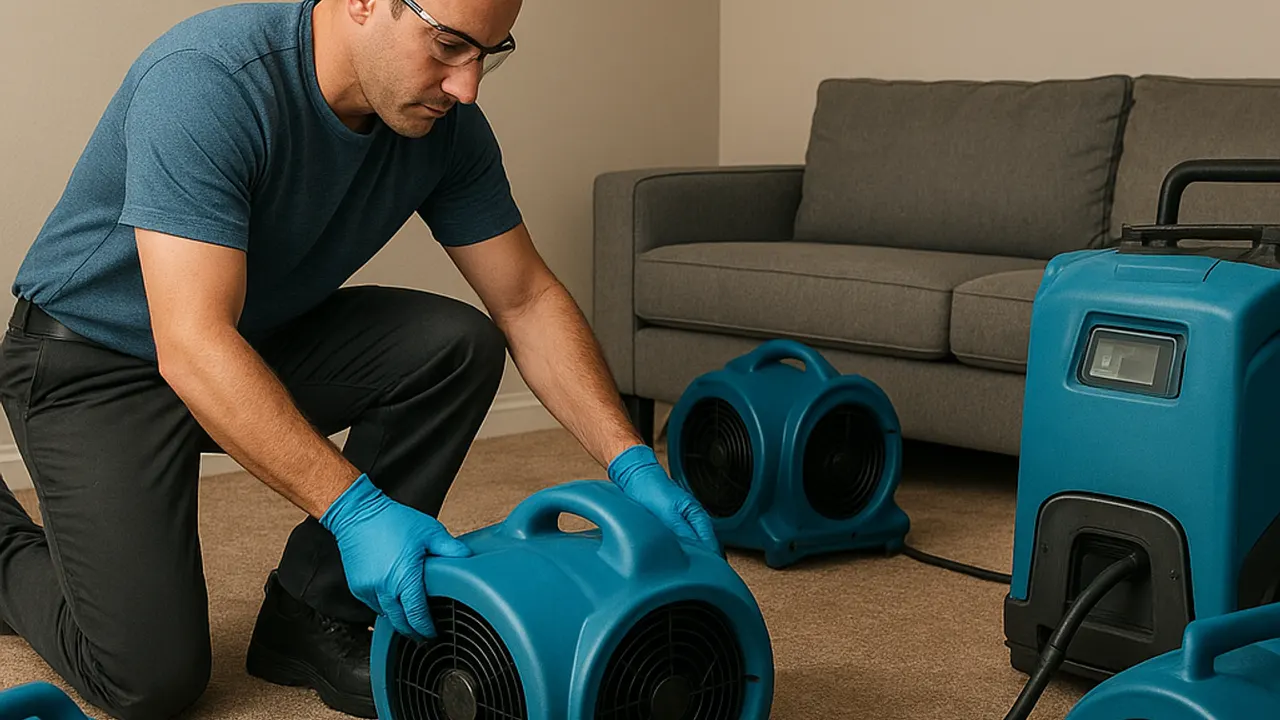
Water source checkFloor moisture checkExtraction setup
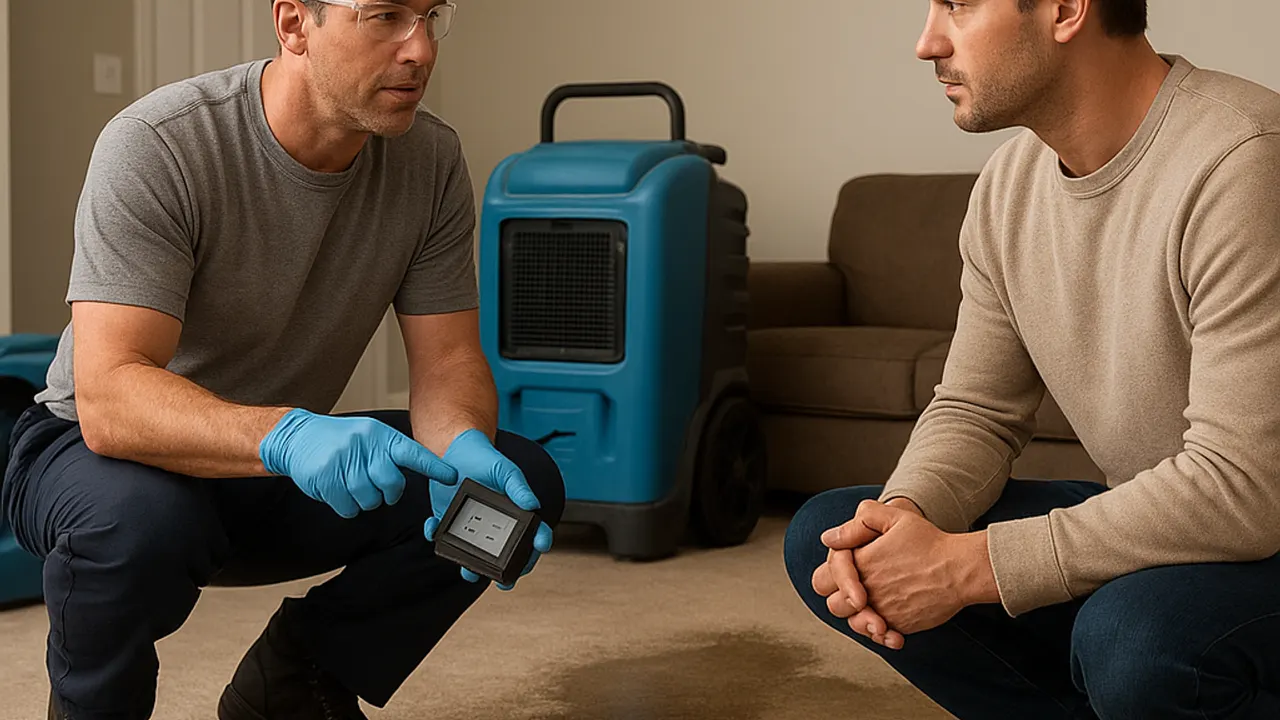
Walk-through firstWe identify wet areas with you.
Protected pathwaysWe keep equipment routes clear.
Measured checksWe compare affected surfaces.
Clear next stepsWe explain what needs attention.
What's Included in Basement Water Removal
Basement water removal covers assessment of the water and affected areas, pumping or extraction of accessible standing water, and checks for moisture in nearby materials. We explain immediate drying needs and the next steps for cleanup. Repairing the source, replacing damaged finishes, and extensive mold remediation are separate work stages when needed; we identify those issues rather than treating water removal as a complete rebuild.
Water Source Assessment
We look for the likely source, note whether water is still entering, and identify immediate safety concerns. That helps determine whether the job involves a leaking pipe, stormwater, a drain, or sump pump failure before equipment is set up.
Standing Water Extraction
We pump deeper water and extract remaining accessible water from the floor and low points. Equipment selection depends on water depth, room access, and the amount of water, with attention to edges and transitions where puddles collect.
Affected Material Checks
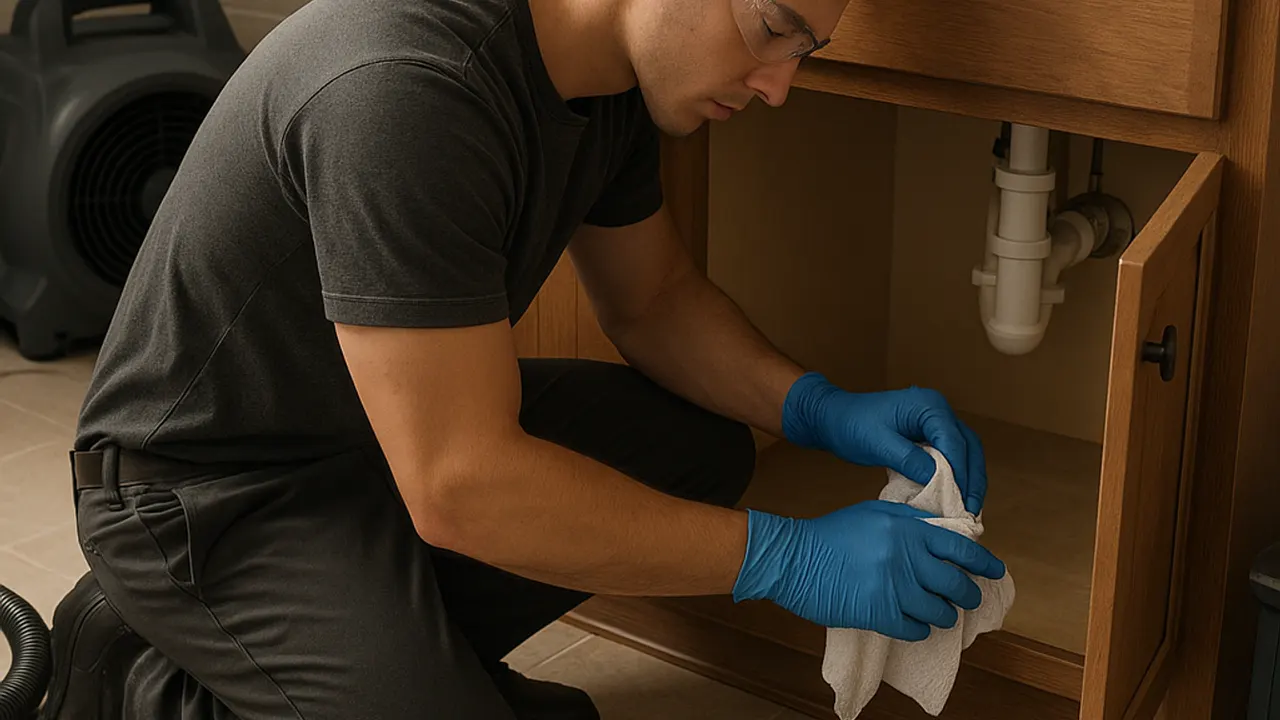
We inspect accessible carpet, padding, baseboards, and lower drywall for visible saturation and moisture. These checks help distinguish surface wetness from water that has moved into materials and needs further drying or removal.
Drying Recommendations
We explain where air movement and dehumidification are appropriate and what should be monitored. If wet insulation or hidden moisture is suspected, we identify the area for additional assessment rather than assuming the visible floor tells the whole story.
Cleanup Next Steps
We review what has been extracted, which materials remain affected, and what cleanup or repair work follows. You get practical direction for belongings and surfaces without confusing water removal with full reconstruction.
Homes and businesses.
The approach is the same for a home and a business. What changes is the access, the schedule and who needs the paperwork.
For Homes
We help homeowners and tenants clear basement water and identify affected finishes. You can show us the leak, wet areas, and belongings that need careful handling.
Sump failure near stored belongings
Rainwater across finished carpet
Water heater leak in utility room
For Properties
We work with owners and property managers to assess flooded lower levels and coordinate practical access. You can identify occupied areas, utilities, and building contacts before extraction.
Flooded shared utility room
Water across a lower-level office
Leak affecting tenant storage
Basement Water Removal Indianapolis IN: What We Do
A plain-language look at what Basement Water Removal involves and when it is needed.
Basement water removal Indianapolis IN is a water damage service that extracts standing water and helps limit damage after basement flooding, leaks, or plumbing failures. We first identify immediate hazards and the likely water source, then choose pumping and extraction equipment suited to the water depth and floor materials. A submersible pump moves deeper water; a portable extraction unit or wet/dry vacuum removes residual water around edges and obstacles. We inspect affected carpet, baseboards, and lower walls so you know what needs drying or removal.
Indianapolis homes face water intrusion after heavy autumn rain, winter thaws, and spring storms, while older basements can have recurring seepage or aging drain connections. If a sump pump failure leaves several inches on the floor, we start with safe access and controlled pumping, then check for moisture behind walls. Our Indianapolis basement water removal service addresses the water first; for emergency basement water removal Indianapolis IN, call as soon as you find active flooding.
Removing visible water is the first step; checking affected materials guides what happens next.
What it is
Pumping and extracting standing water from a basement after a leak, storm, or equipment failure.
When needed
When water collects on floors or saturates accessible basement materials.
What to expect
A source check, water extraction, material inspection, and practical drying guidance.
Our Basement Water Removal Process
Basement water removal in Indianapolis starts with a safety check and a look at the water source, depth, and affected materials. We explain the order of work before moving equipment into your home. The extraction stage may take a few hours for a contained area; larger or deeper flooding takes longer and needs staged pumping and moisture checks.
Assess the Basement
We walk the affected area with you, identify active leaks, and check whether electrical hazards or contaminated water require precautions. We note water depth, affected rooms, floor materials, and the location of the sump pit or drain. This first assessment often takes 15 to 30 minutes for a straightforward basement and gives us a safe equipment plan.
Walk-through
Source check
Safety
Stop the Water Source
We identify whether the water is coming from a burst pipe, water heater leak, stormwater intrusion, or sump pump failure. If a plumbing shutoff or pump reset is needed, we explain the immediate action and coordinate the next step. Stopping active inflow matters; otherwise, extraction equipment can be working against a continuing supply of water.
Stop inflow
Locate shutoff
Plan
Pump and Extract
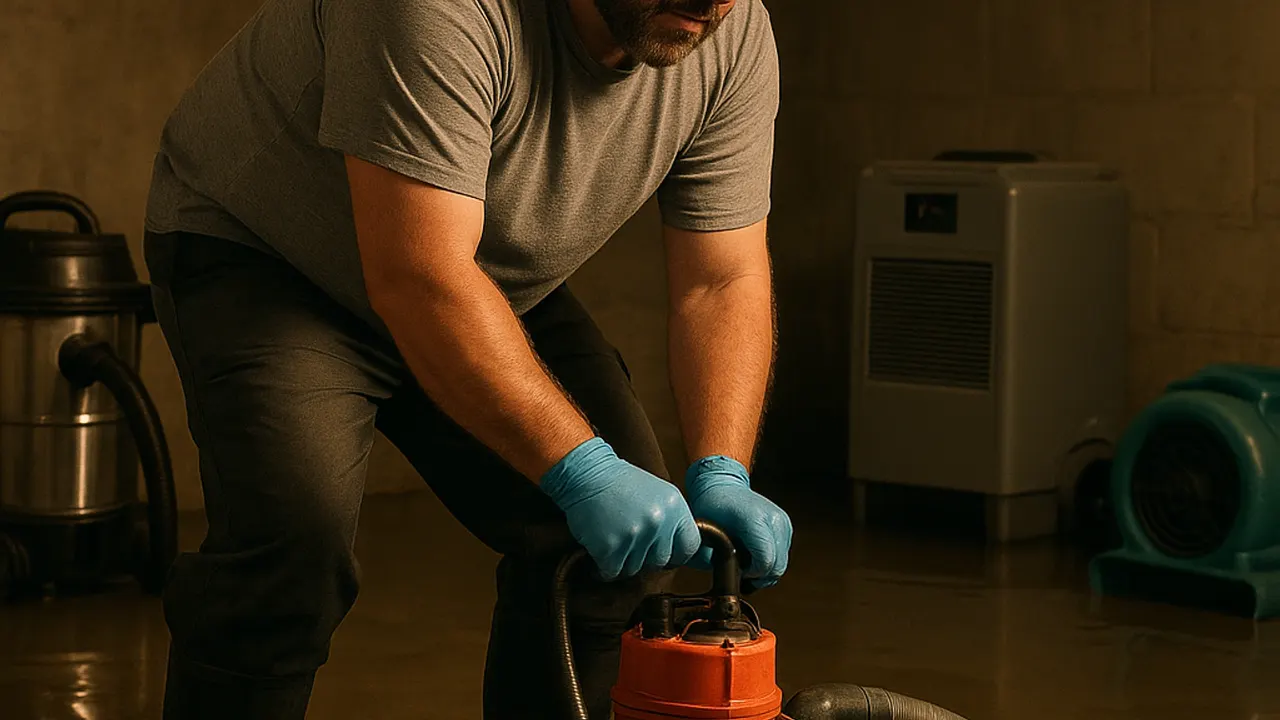
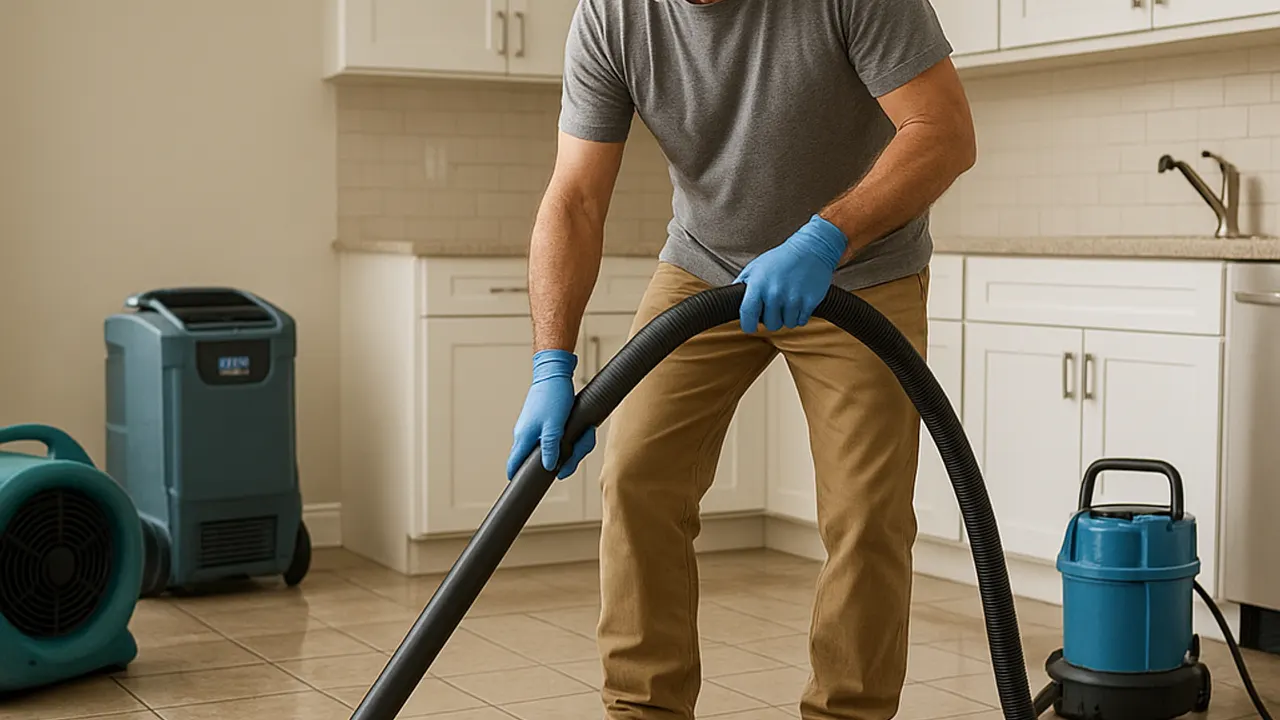
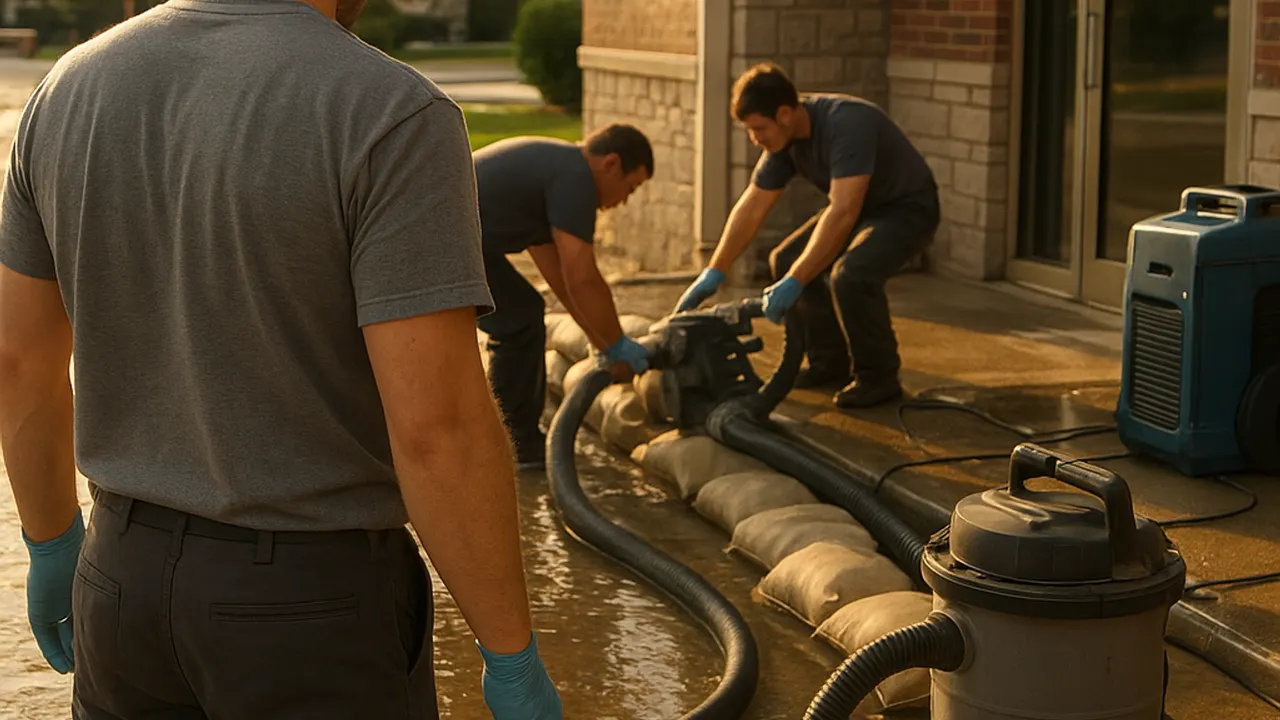
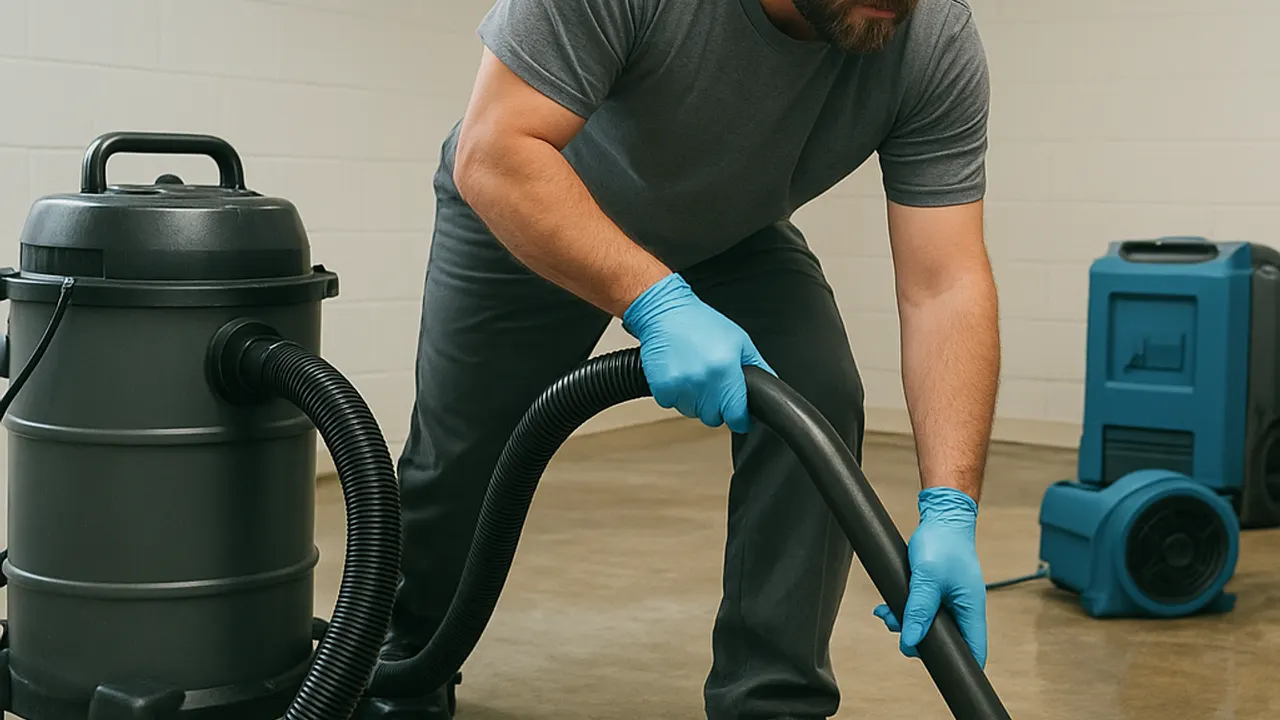
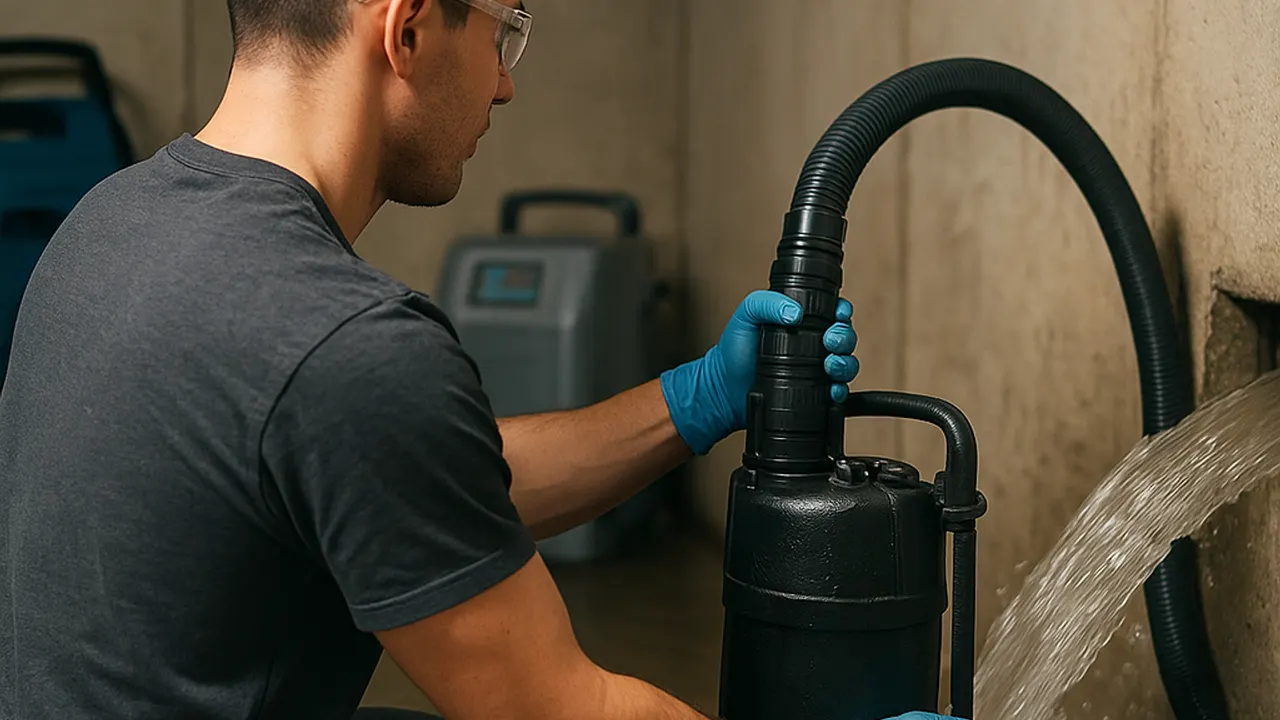
We use a submersible pump for deeper water and a truck-mounted water extraction unit or portable extraction unit where access and water volume call for it. Then we remove remaining water from edges and surface transitions with a wet/dry vacuum. A typical small basement may need two to four hours of extraction, depending on depth and layout.
Pump
Extract
Clear floor
Check Materials
We inspect water-damaged carpet, carpet padding, baseboards, and accessible drywall to see how far moisture has traveled. We explain which materials can be dried and which need removal.
Check walls
Read moisture
Identify materials
Set Up Drying
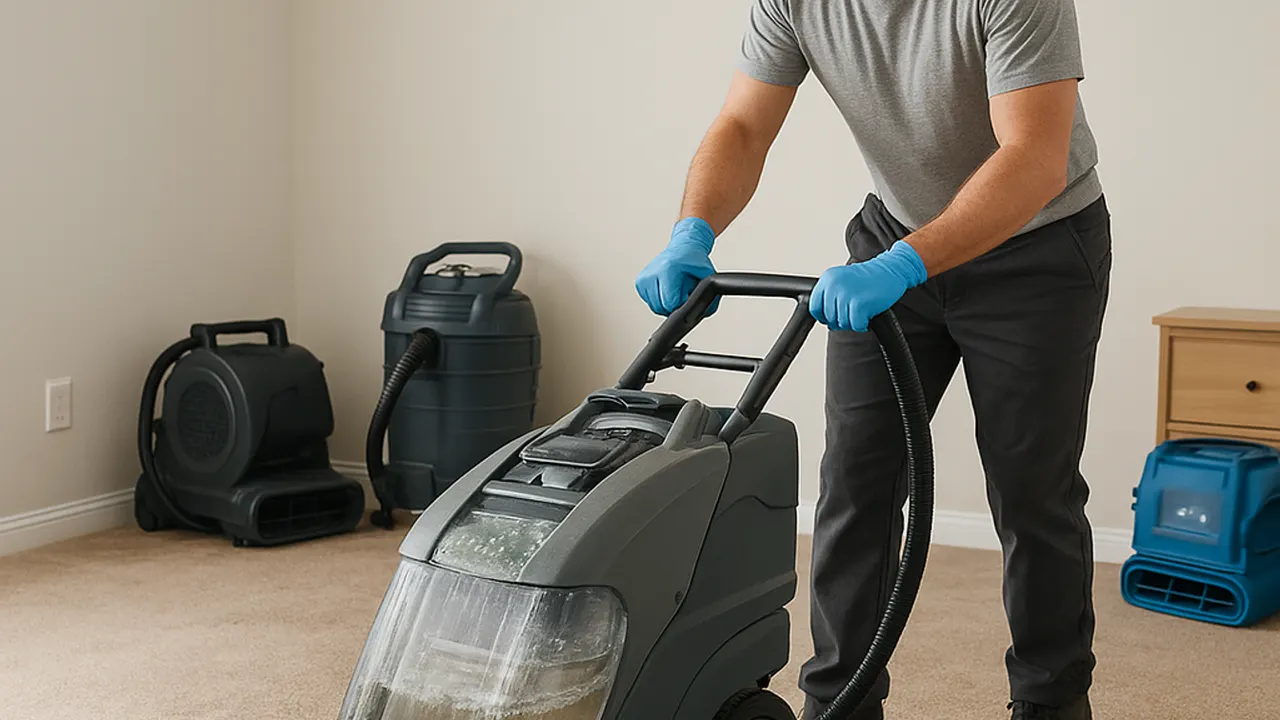
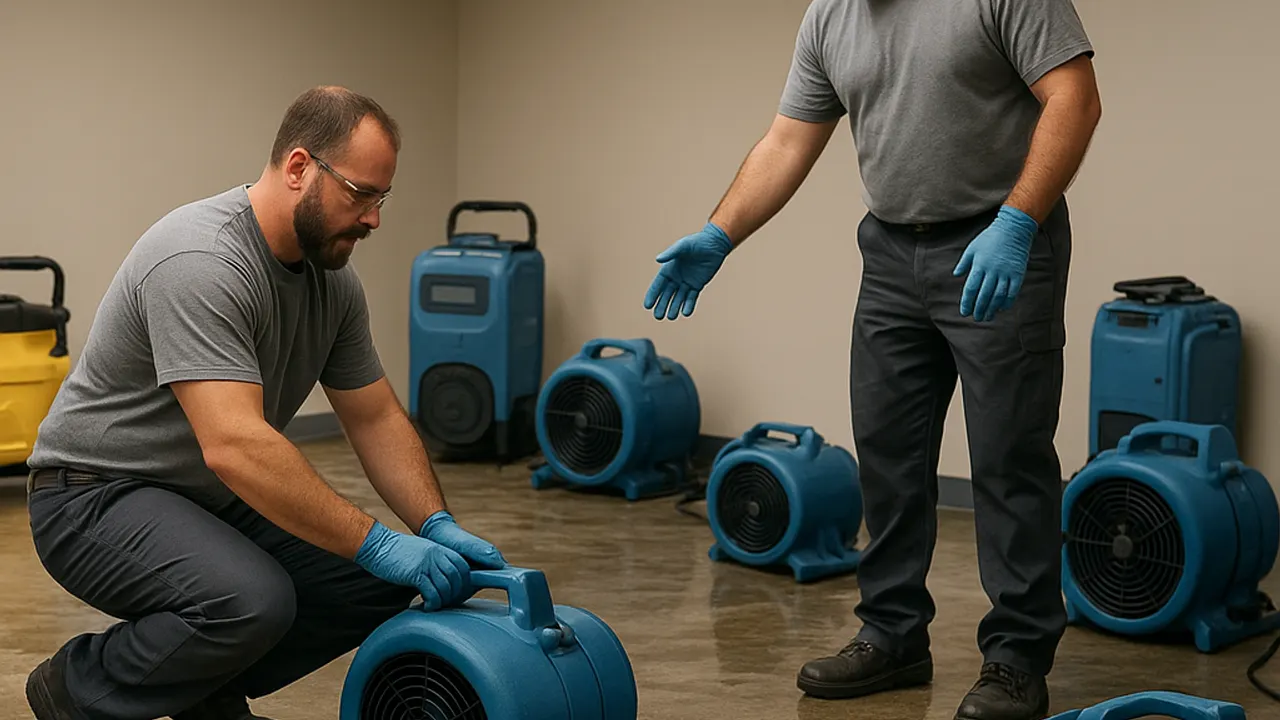
We position air movers and a commercial dehumidifier according to the affected area and materials, then explain what readings and changes to watch. Drying commonly takes 24 to 72 hours, with follow-up checks based on the moisture conditions. Before we leave, we review the immediate cleanup tasks and any repair or restoration work still needed.
Set airflow
Review drying
Next steps
Tools and Extraction Methods
Move across a circle, or focus it and press Enter, for an illustrative thermal view of the photograph.
Submersible pump
We use a submersible pump to move deeper standing water from basement low spots and sump areas before finer extraction begins.
Truck-mounted water extraction unit
This equipment supports high-volume water removal where access allows, helping clear larger flooded areas and reduce the amount left for surface extraction.
Moisture meter
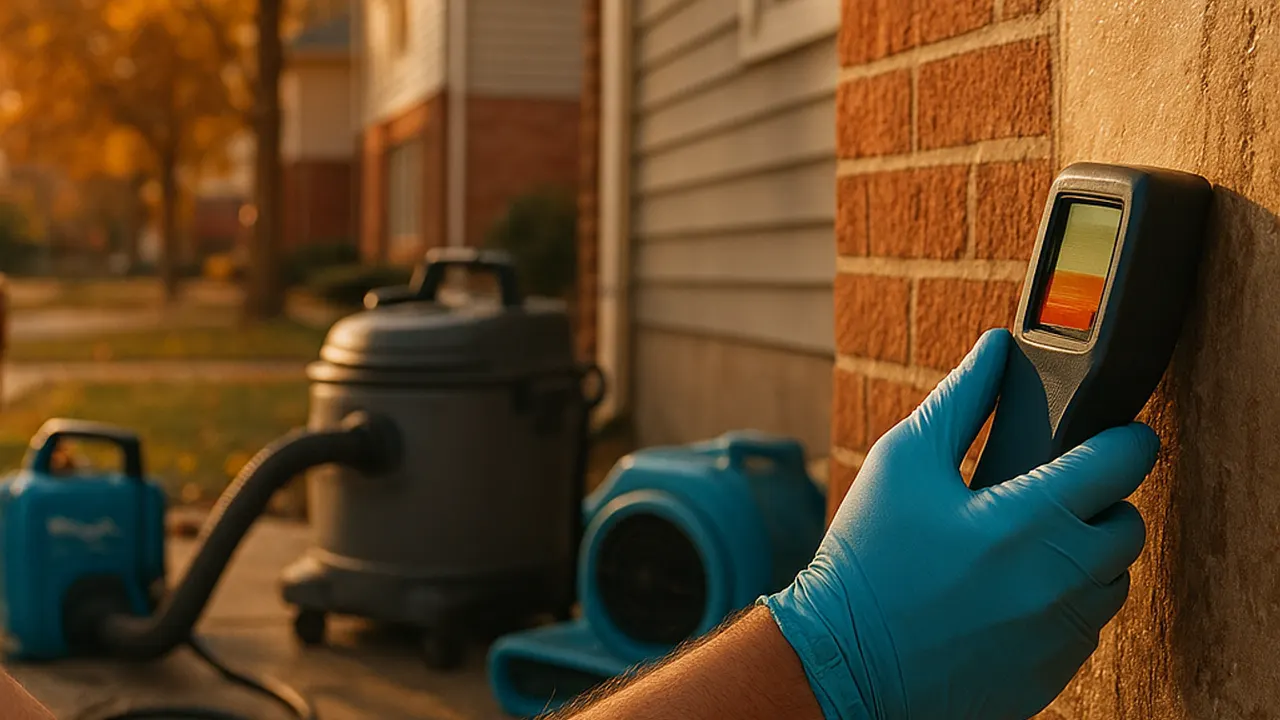
We check affected surfaces and compare readings to locate materials that remain damp after visible water has been removed.
Commercial dehumidifier
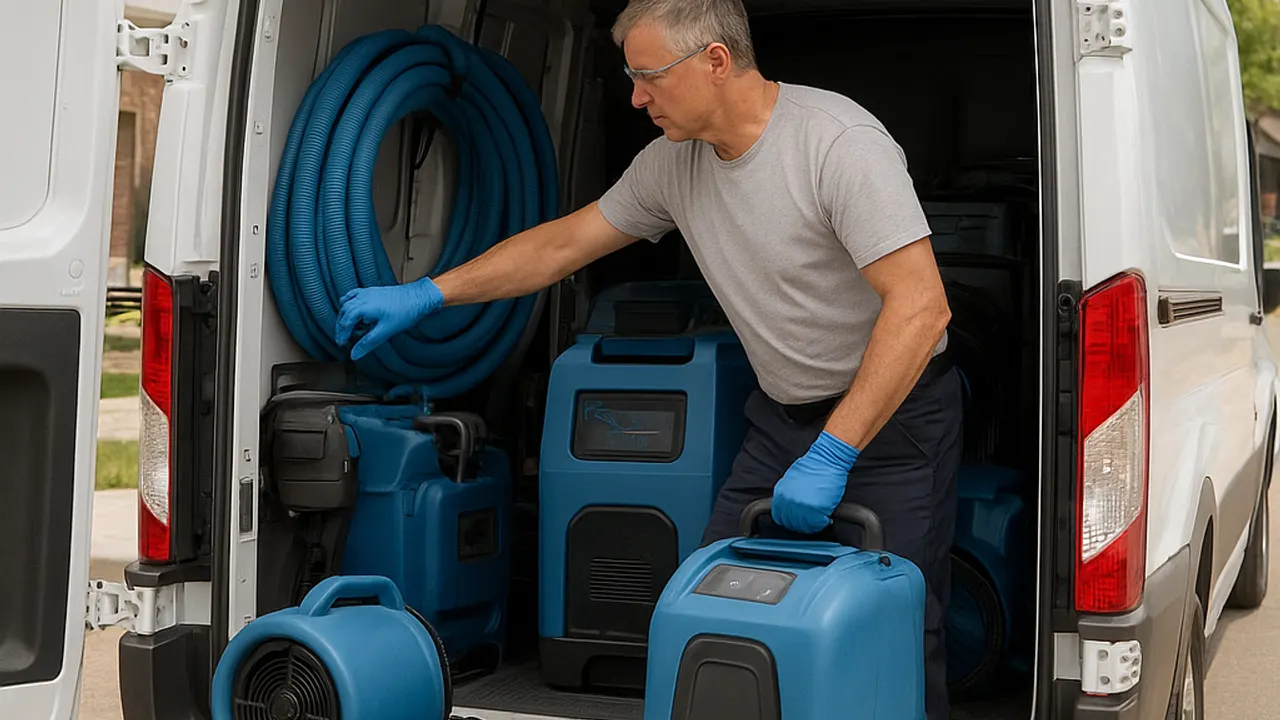
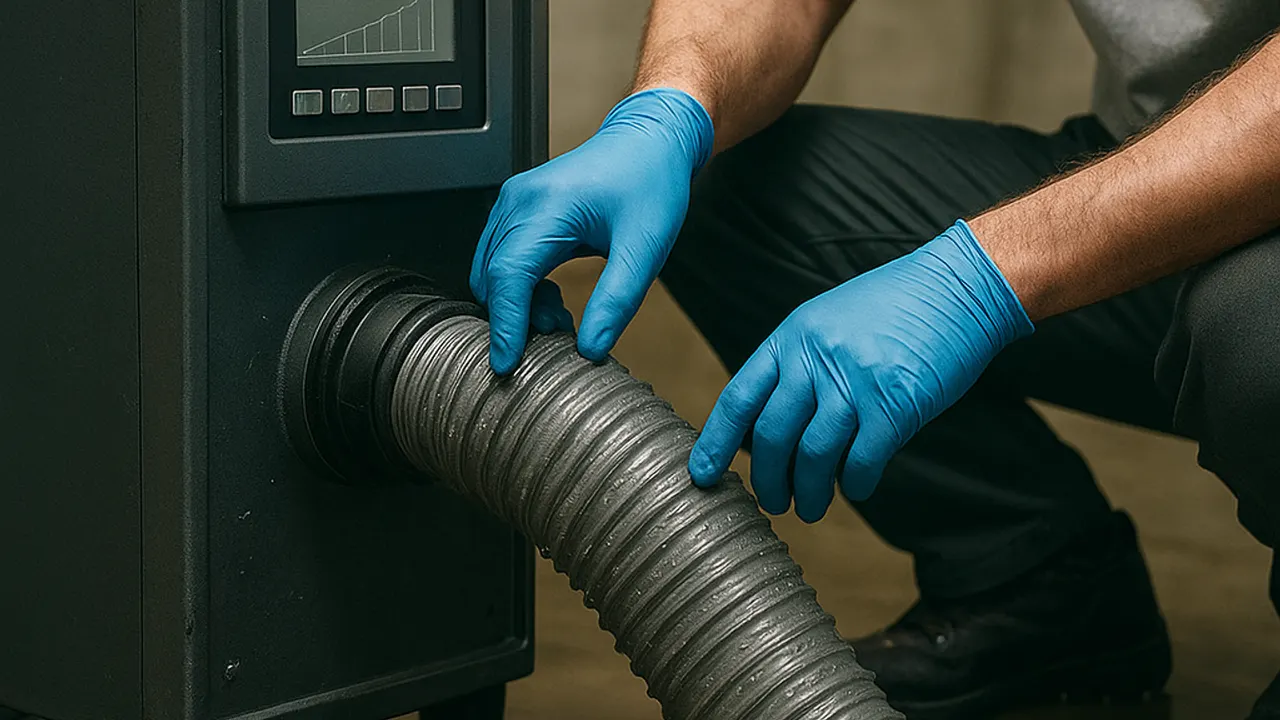
A commercial dehumidifier removes moisture from the air during structural drying; placement depends on room size and the affected materials.
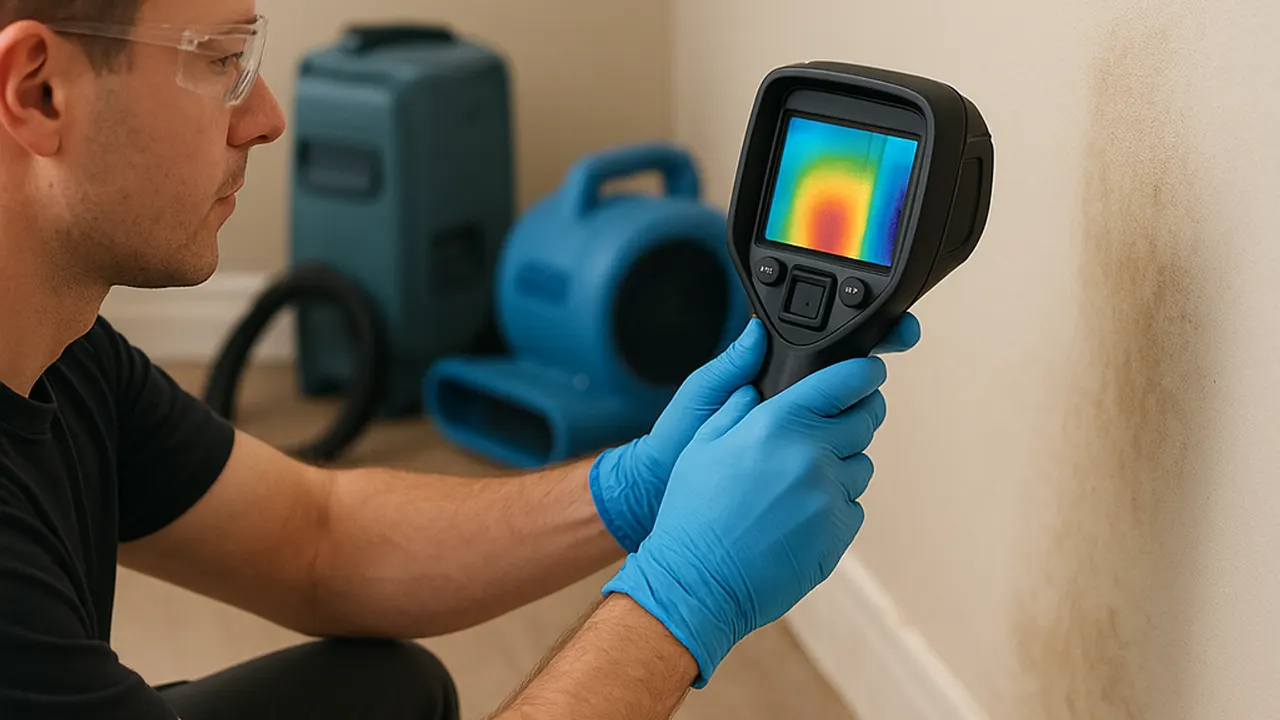
Thermal imaging camera
We use temperature patterns to identify areas that merit closer moisture inspection, then confirm concerns with direct checks rather than relying on the image alone.
Thermal views are illustrative, generated from the photographs.
Methods
HEPA air scrubber
When site conditions call for air control during cleanup, a HEPA air scrubber filters airborne particles while work is underway.
Water source and category assessment
We identify whether water came from a supply line, rain intrusion, a drain, or another source before selecting cleanup precautions. The ANSI/IICRC S500 Standard for Professional Water Damage Restoration provides a framework for assessing water damage and restoration work. Source and exposure guide equipment, handling, and the next steps.
Staged water extraction
We remove deeper water first, then work across remaining puddles and edges with extraction equipment suited to the floor. Staged pumping reduces the chance of pushing water into unaffected areas and makes it easier to inspect surfaces after each pass. The layout and access determine the sequence.
Moisture-guided drying
We use moisture readings to check affected materials and decide where drying equipment should be focused. Air movers and dehumidification support moisture removal, while follow-up checks help determine whether conditions are improving. We do not treat a dry-looking surface as proof that the structure is dry.
Material triage
We assess carpet, padding, drywall, baseboards, and other accessible materials for saturation and condition. Some materials can be dried; others may require removal when water exposure or contamination makes drying unsuitable. We explain the distinction before you plan replacement or repairs.
When Basement Water Removal Is Needed
Storm entry
A heavy autumn storm sends rainwater through a basement window well in Meridian-Kessler.
We assess the entry area, pump out pooled water, and inspect nearby carpet, baseboards, and lower drywall. We check how far moisture has traveled from the window and explain what needs drying. You can then address the exterior opening while the affected basement materials are being handled.
Outcome: The standing water is removed, the wet area is mapped, and you have a clear plan for drying and entry-point repairs.
Sump failure
A sump pump fails overnight in a Broad Ripple basement and leaves several inches of water.
We check water depth and safe access, then use a submersible pump to lower the water level. After the deepest water is out, we extract residual water from low spots and inspect nearby belongings and finishes. We explain where pump service and additional drying are needed.
Outcome: The floor is cleared of pooled water, access improves, and wet materials are identified before contents are moved back.
Burst pipe
A burst supply pipe floods a finished basement near Downtown Indianapolis.
We confirm that active water has been shut off, then extract standing water from the finished room. We check carpet padding, lower drywall, and baseboards for saturation and discuss which materials need drying or removal. Our approach prioritizes the areas closest to the leak and the path water followed.
Outcome: Water is removed from accessible surfaces, affected finishes are identified, and the repair process can proceed with better information.
Appliance leak
A leaking water heater leaves hidden puddles beneath stored items in a Fountain Square home.
We clear a safe path to the utility area, remove accessible water, and inspect the floor around the heater and adjacent storage. A moisture meter helps check nearby surfaces that look dry. We explain whether further drying is needed and what should be moved or discarded.
Outcome: The utility floor is cleared, damp areas are easier to see, and the homeowner can address the leaking appliance and cleanup.
IrvingtonBroad RippleDowntown Indianapolis
How We Handle Basement Flooding in Indianapolis
Indianapolis basements see a mix of stormwater intrusion, groundwater seepage, plumbing leaks, and sump pump failures. October rain can expose weak window-well drainage; winter freezes and thaws can stress plumbing, while spring storms bring fast runoff. Older homes around central Indianapolis may have finished basements added over time, where carpet, laminate flooring, and patched wall surfaces hide water pathways.
We check the actual materials and entry route instead of assuming every basement is built the same way. Our basement water extraction Indianapolis work begins with safe access and source identification, then moves to pumping and moisture checks. For remove standing water from a basement Indianapolis calls, tell us how deep the water is and whether it is rising.
We serve Marion County and neighborhoods across Indianapolis, including properties with narrow stairways or utility rooms that limit equipment access. We follow applicable safety practices and the ANSI/IICRC S500 framework; plumbing repairs and building work must meet the requirements that apply to that specific job.
Irvington: Older homes and finished lower levels can have varied wall and floor materials. We inspect around window wells, basement stairs, and utility areas where water can collect.
Broad Ripple: Stormwater and sump issues can affect lower-level rooms and storage areas. We check the sump pit, floor low points, and nearby belongings before setting up extraction.
Downtown Indianapolis: Lower-level utility rooms and shared building spaces may restrict access. We plan equipment placement around stairs, doors, and occupied areas while keeping the affected zone clear.
Fountain Square: Basements with mixed-age finishes can conceal moisture at carpet edges and lower walls. We check those transitions after pumping rather than judging only by the open floor.
Heavy rain overwhelms window wells and exterior drainage: Water can enter at a concentrated point and spread along basement floors before it reaches a drain. We inspect the entry area and nearby finishes so extraction and follow-up drying account for the path water traveled.
Freezing temperatures contribute to burst pipe water damage: A pipe leak can release water into a finished basement while occupants are asleep or away. We address the active source first, then extract water and check nearby drywall, carpet padding, and stored contents.
We walk the basement and review water source, depth, and affected rooms.
We clear a route, protect nearby contents, and position extraction equipment.
We check affected surfaces and explain drying and cleanup steps.
From problem to finished result.
IllustrativeThe thermal view is generated from the photograph. It is not a measurement. Drag the handle, or use the arrow keys once it is focused.
Stormwater Across a Finished Floor
Before: A window-well overflow left roughly 1 inch of water across a 250-square-foot finished basement. Carpet edges were wet, two lower wall sections showed moisture, and storage boxes sat directly on the floor. The homeowner could not tell whether the puddle had reached the carpet padding or spread behind the baseboards.
After: We pumped and extracted the standing water, then checked the carpet edge and affected wall sections. The visible floor was cleared in about three hours, and drying equipment was placed where moisture remained. The homeowner had a mapped affected area and knew which boxes and finishes needed further attention.
Keep window wells clear of leaves, inspect basement openings after major storms, and store boxes on shelving rather than directly on concrete. Check that the sump system starts and drains as intended.
Sump Failure in a Storage Room
Before: A failed sump pump allowed about 3 inches of water to collect over a 180-square-foot storage area. Cardboard boxes, a floor drain, and the sump pit were surrounded by water. The owner needed the area cleared before a pump repair could be completed.
After: We used a submersible pump to lower the water, then extracted residual puddles near the drain and shelving. The bulk water was removed in approximately two hours, followed by checks of the floor edges and stored items. The owner could access the pit and arrange pump service.
Test the sump pump periodically by following the manufacturer's instructions, keep the pit clear, and avoid storing valuables on the floor. Investigate unusual pump cycling before the next storm.
Pipe Leak Beside Finished Walls
Before: A supply-line leak wet the carpet and the lower portion of a finished basement wall. The surface puddle looked small, but the carpet padding was saturated along a 12-foot section. The homeowner worried that moisture had traveled under the baseboard.
After: We extracted water from the carpeted area and checked the wall and baseboard with a moisture meter. Extraction took about two and a half hours; additional drying was needed at the wall edge. The homeowner received a clear explanation of affected materials and the repair sequence.
Know where the main water shutoff is, check utility-room connections for drips, and move furniture away from a leak promptly. After repairs, monitor the area for renewed dampness or odor.
Problems We Solve After Basement Flooding
A basement can flood from above, below, or a failed plumbing connection, and each source changes how we approach extraction. We identify the visible water and check nearby materials so you can act on the real extent of the problem. For basement water removal after heavy rain Indianapolis, we pay close attention to entry points and floor drains.
Rainwater entryRainwater entering through a window well or foundation openingWater spreads across the floor and can soak carpet, boxes, and lower wall materials. Leaving it in place increases drying time and can contribute to secondary mold growth. We remove accessible floodwater, inspect the area nearest the entry point, and check nearby flooring and baseboards for moisture. We also point out the likely route of entry so you can arrange a window-well or exterior drainage repair. Drying equipment is positioned according to the affected materials, not simply placed in the middle of the room.
Sump overflowA failed sump pump leaving water across the basement floorGroundwater can collect quickly in a low basement and reach stored belongings, utilities, and finished flooring. Continued inflow makes cleanup harder. We assess the depth and whether water is still entering, then pump the deepest areas before extracting residual water. We check around the sump pit and nearby finishes and explain what requires drying. Once the immediate water is out, you can arrange pump repair or replacement without standing water obstructing access.
Pipe damageBurst pipe water damage soaking a finished basementA pressurized leak can saturate carpet padding and drywall before the water is noticed. Moisture may remain behind baseboards after surface puddles disappear. We help identify active inflow, remove standing water, and check the carpet and adjacent wall materials. Where the affected area extends beyond the visible wet spot, moisture readings guide the next inspection. We explain which surfaces need drying and where damaged materials may need removal after the pipe is repaired.
Heater leakWater heater leaks collecting in a basement utility areaA slow leak can stay hidden behind the heater or under stored items, leaving a damp floor and wet nearby materials. Delayed discovery prolongs exposure. We clear accessible water around the appliance and inspect the surrounding floor, baseboards, and stored contents. We identify whether water has traveled beyond the utility area and explain the drying needs. If the heater continues leaking, stopping the source comes first; extraction cannot keep pace with active inflow.
Get Water Out, Limit Damage
Water removal clears the floor and shows which materials need further attention.
Reduce Standing Water
We match pumping equipment to the depth and layout, then use extraction tools to reach corners and low spots. Removing water promptly reduces the time carpet padding, drywall, and personal belongings remain soaked. Our crew records affected areas and explains which materials need further drying rather than guessing from the surface.
Find Hidden Moisture
A dry-looking floor does not prove the basement is dry. We use a moisture meter to check accessible surfaces and compare readings across affected and unaffected areas. Where water has traveled behind a wall or below flooring, that check helps identify the next inspection point before you close up the space or replace finishes.
Protect Usable Belongings
We help separate wet items from dry contents and prioritize belongings that can be moved safely. For example, raising boxes off a damp floor and clearing a path to the sump pit can prevent additional contact with water. You get a practical order of work instead of trying to handle every wet item at once.
Plan the Drying Work
After extraction, we explain where air movement and dehumidification are needed and what should be rechecked. An air mover and commercial dehumidifier support drying, but placement depends on room size, material type, and moisture readings. You leave with clear next steps for wet drywall, carpet, and other affected finishes.
What you receive
Clear records you can keep and share.
Photo record
Images of visible affected areas and equipment setup.
Moisture notes
Recorded checks of accessible affected surfaces.
Work summary
A brief account of extraction completed.
Next-step list
Cleanup and drying actions discussed at the visit.
Water removal and drying are different steps
Extraction clears pooled water; drying addresses moisture that remains in building materials and air.
Standing water
Visible water pooled on basement floors.
Pump deeper areas first
Extract residual puddles
Check floor edges
Material moisture
Water absorbed by carpet, walls, or flooring.
Inspect affected finishes
Use moisture readings
Identify drying needs
Follow-up work
Drying, cleanup, or repairs after extraction.
Position drying equipment
Recheck affected areas
Plan material repairs
Surfaces we assess
Carpet
Padding
Drywall
Baseboards
Hardwood
Laminate
Insulation
Concrete
Service ZIP codes.
A list like this tells people straight away whether you cover their street. Not listed? Call and ask: it only takes a minute.
Water Pump Masters removes basement floodwater for homeowners and property managers in Indianapolis. We assess water depth and source, pump out standing water, extract residual water, and check affected materials. If water is near electrical equipment, do not enter the area; tell us what you can see from a safe location. Call 317-792-8700 and describe whether the water came from a pipe, storm, drain, or sump pump.
The final amount depends on water depth, room size, contamination, equipment time, and whether carpet or drywall needs removal. We explain pricing upfront after assessing the affected area. Calling early with the approximate square footage and water depth helps us understand the job before arrival.
Start extraction as soon as it is safe; removing standing water within 24 hours helps limit prolonged material exposure. Do not step into water near outlets, appliances, or a submerged electrical panel. We first address safety and active inflow, then pump and extract water. Drying often takes another 24 to 72 hours, depending on building materials, air conditions, and how far moisture traveled.
Prompt basement water removal in Indianapolis reduces continued exposure, but it cannot reverse damage that has already occurred. We extract water, check wet materials, and set up drying where appropriate. Hidden moisture behind walls or saturated carpet padding needs attention even after the floor looks clear. If water came from sewage or another contaminated source, cleanup requires additional precautions beyond ordinary pumping.
Water on the basement floor can move into carpet, drywall, and stored belongings quickly. Call Water Pump Masters at 317-792-8700 and tell us where the water is, how deep it is, and whether it is still coming in. We provide clear pricing before work begins.
Call 317-792-8700 to describe a leak, flooded basement, or water-soaked floor and get connected with an independent service company. Share your Indianapolis neighborhood, the water source, and whether the water is still spreading. Hours vary by company, so call to discuss urgent needs and the next practical step.