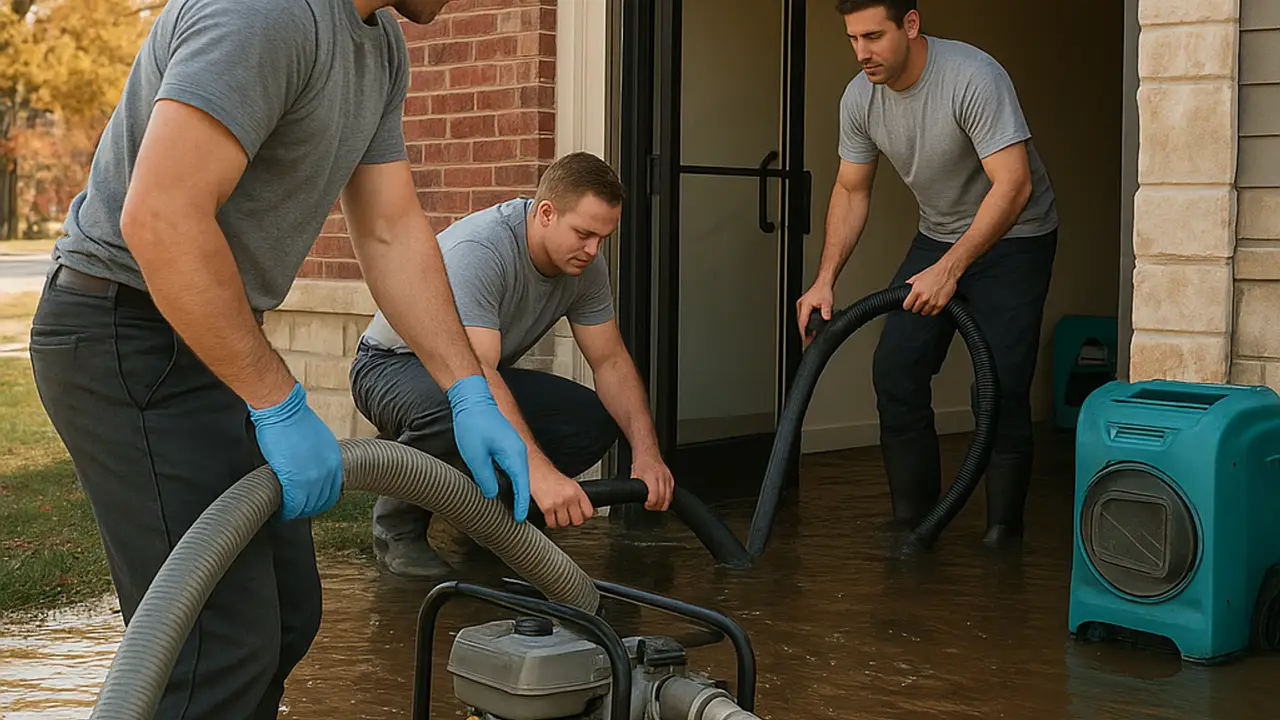
Emergency Water Extraction in Mile Square is a water damage response service that removes unwanted water and helps limit further damage to a property after a leak, flood, or plumbing failure. Mile Square combines office towers, historic structures, apartments, retail interiors, and below-grade spaces, so the source and access route matter as much as the visible puddle. We begin by locating the affected areas and separating active water removal from drying and cleanup work.
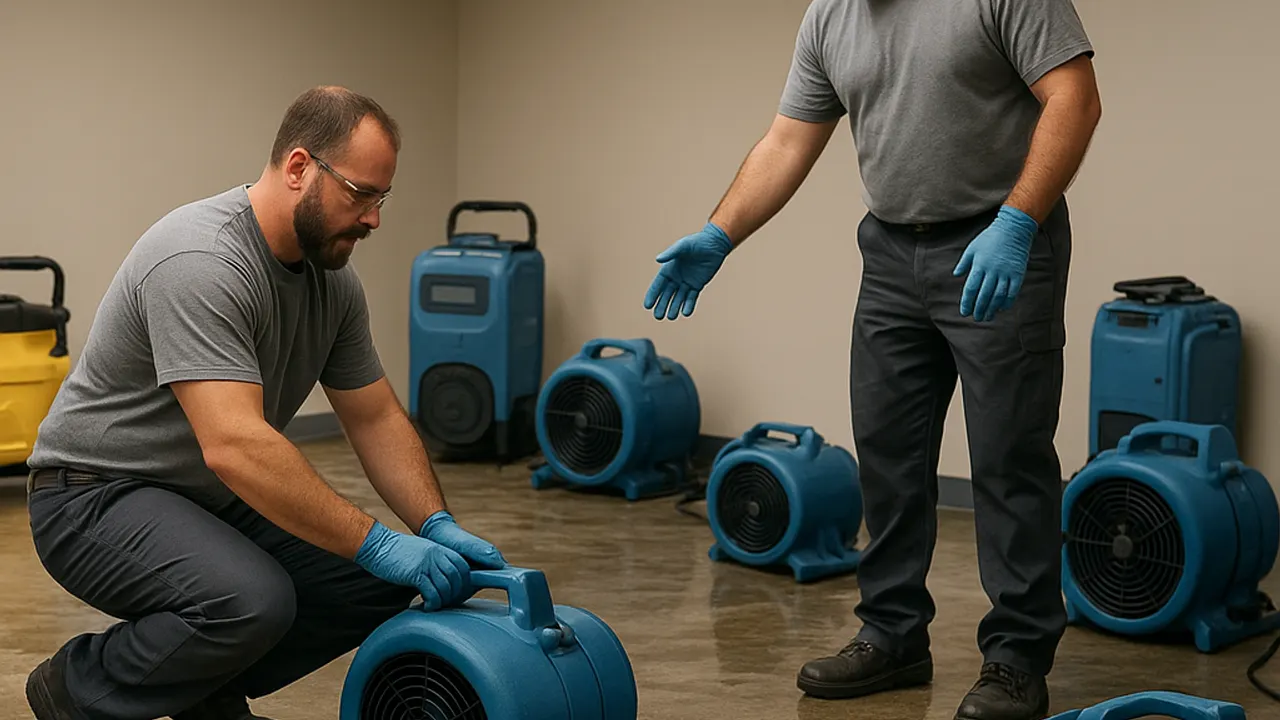
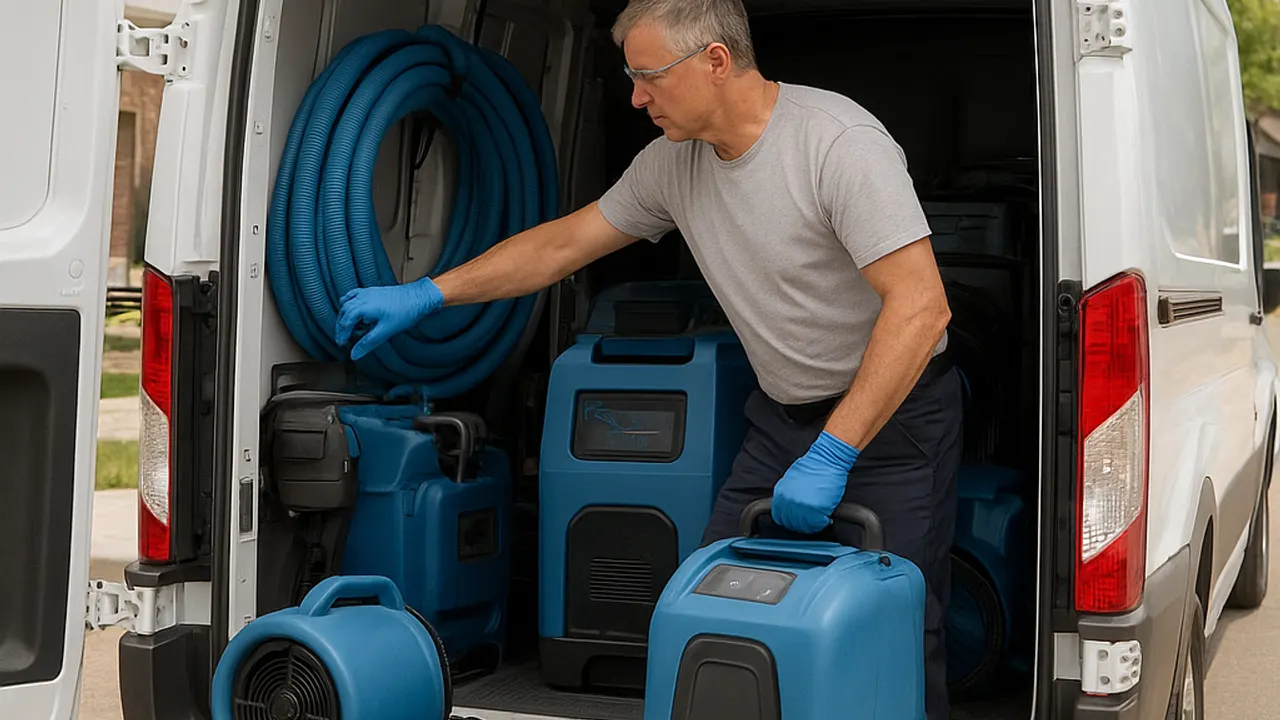
Our crew handles water removal near Mile Square for residential and commercial properties, including calls around the Mass Ave Cultural District, Indiana Avenue, and St. Joseph Historic District. In a high-rise or mixed-use building, mitigation often requires coordination around elevators, loading access, building staff, and neighboring suites. We plan equipment placement around those realities rather than treating every job like a single-family basement.
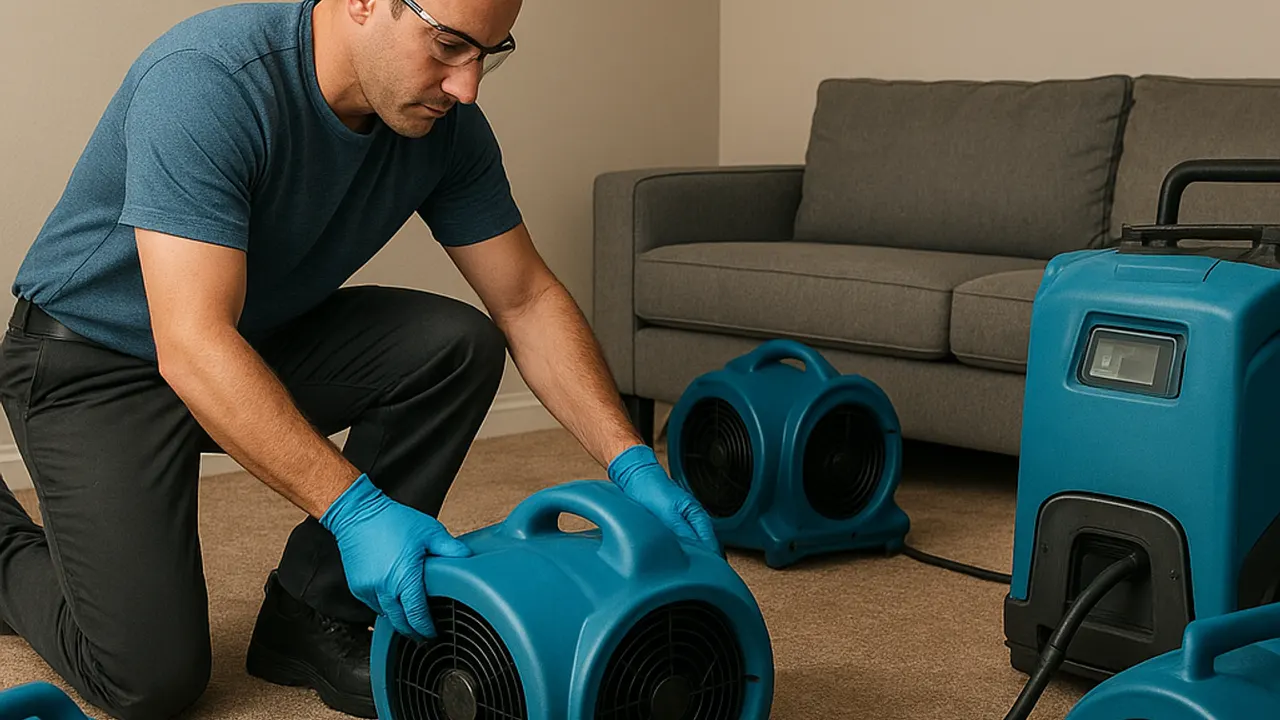
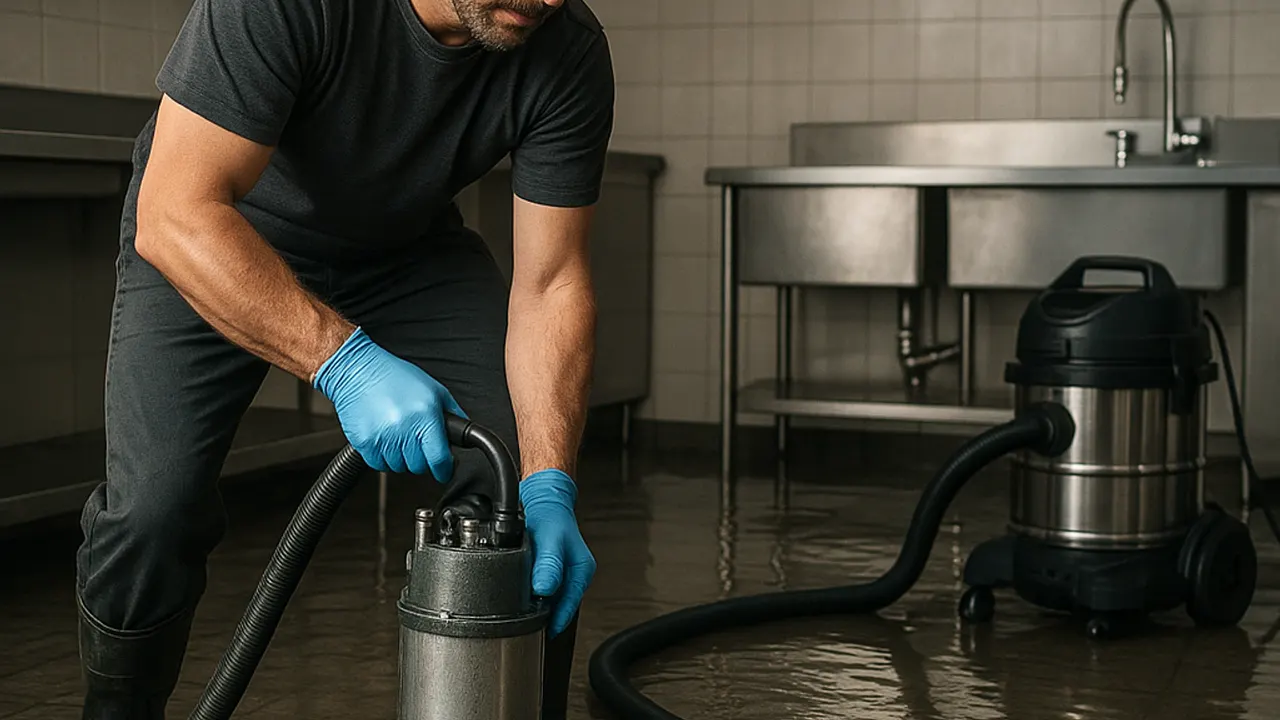
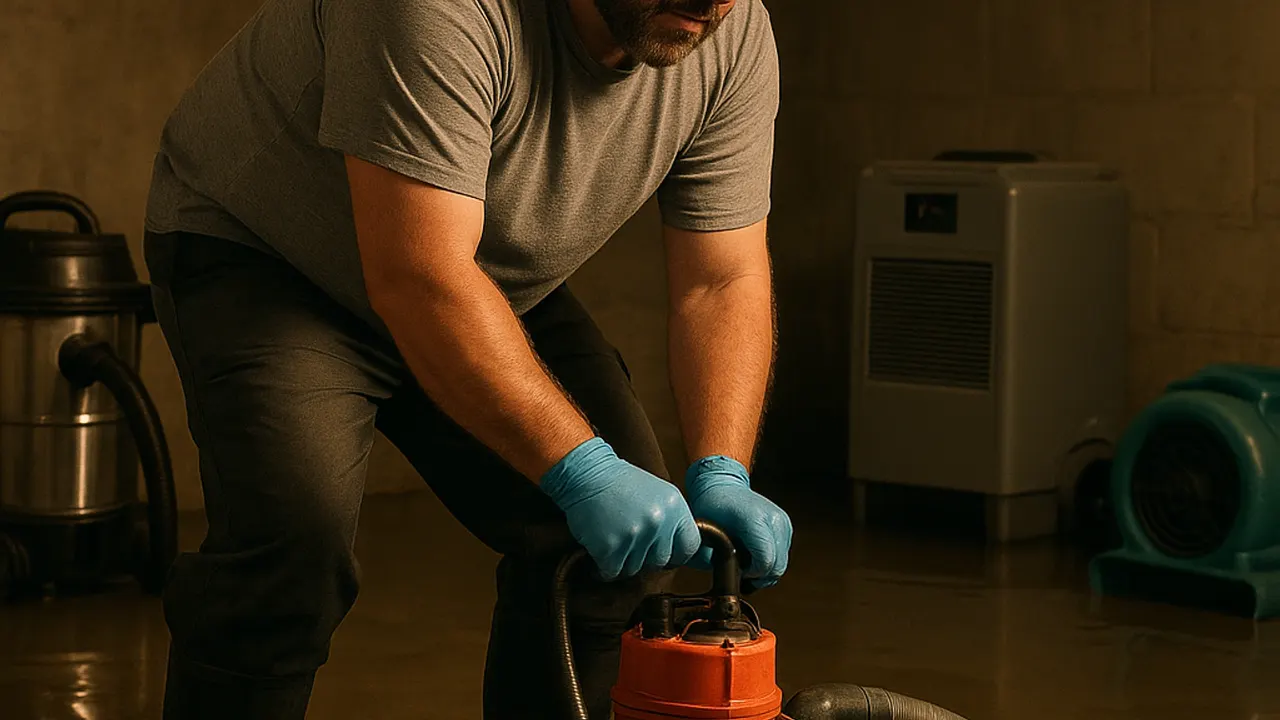
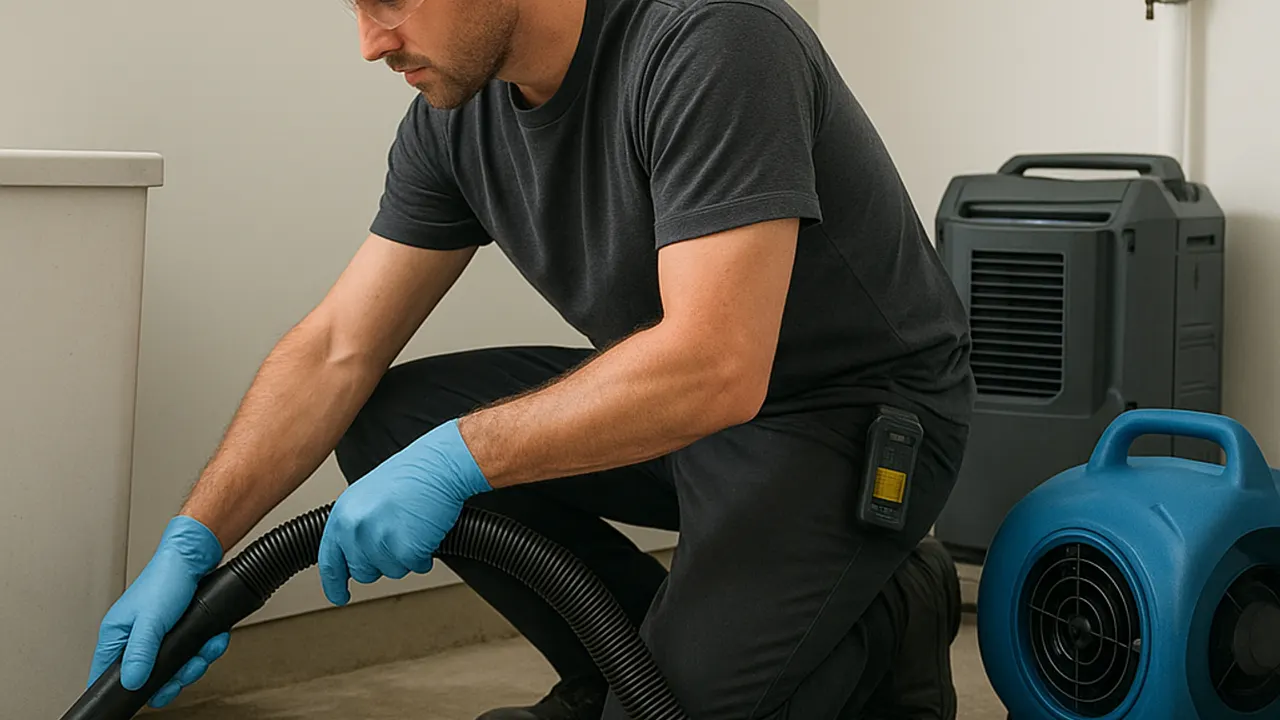
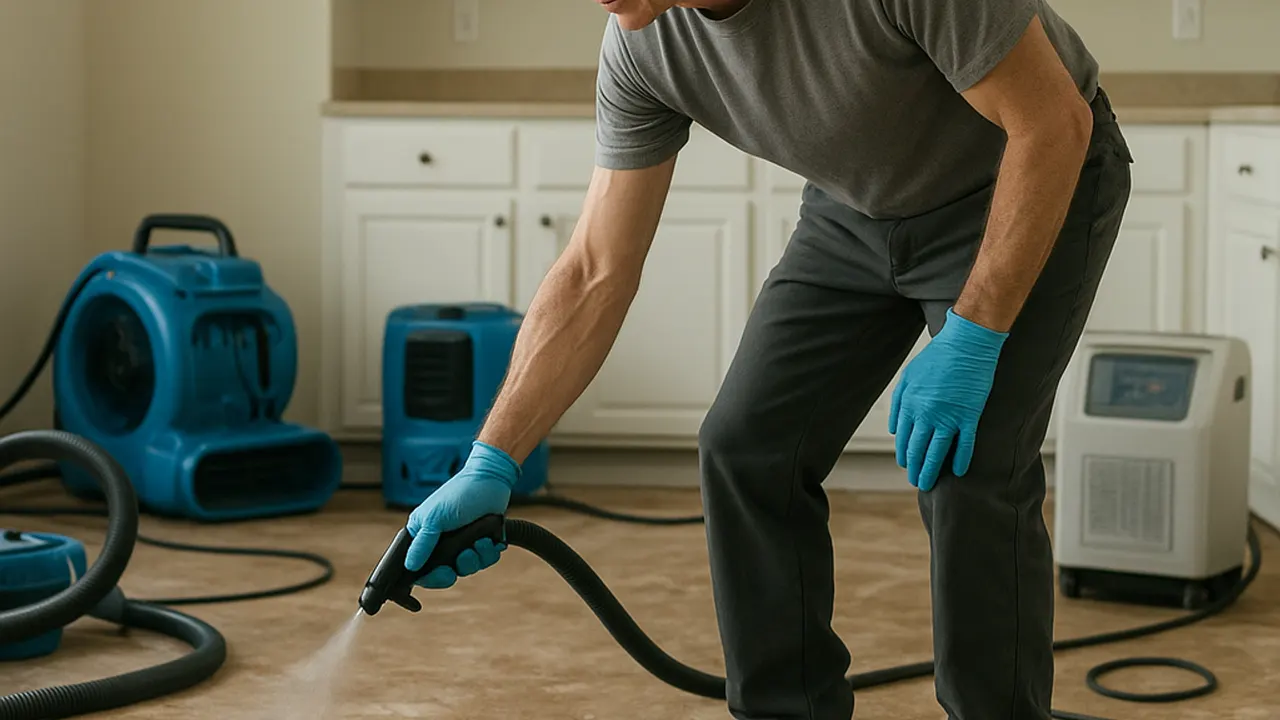
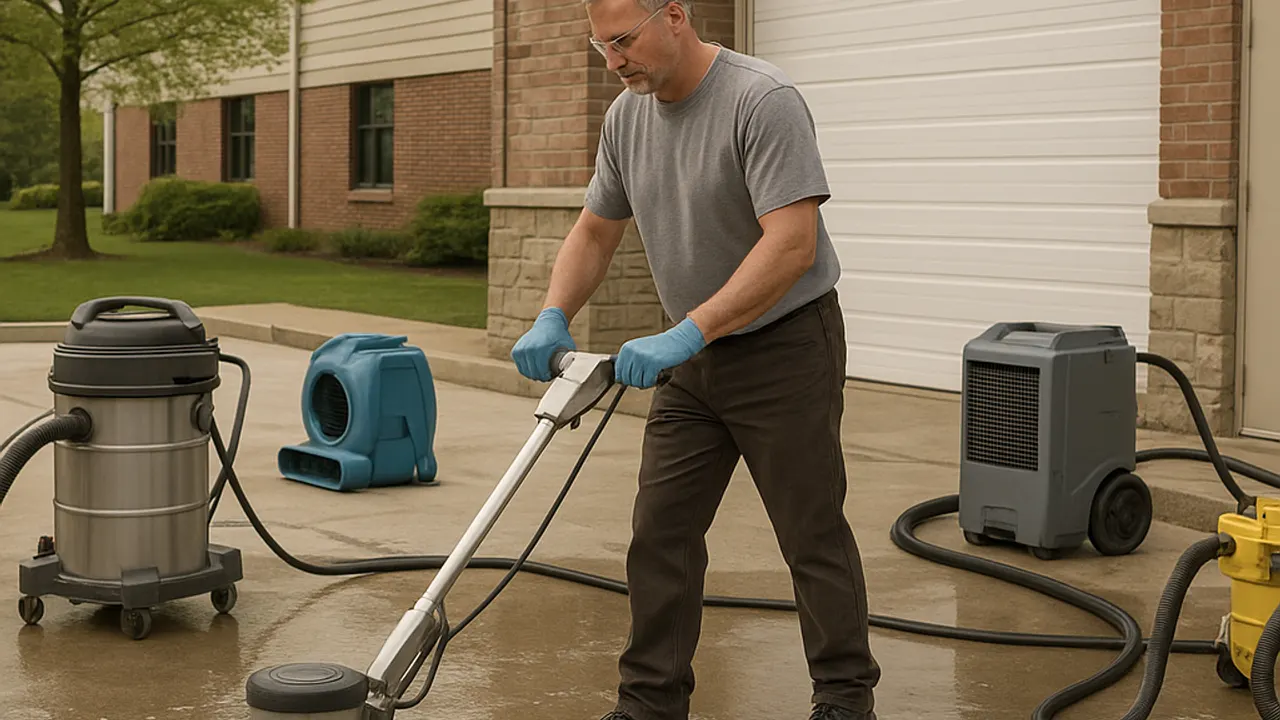
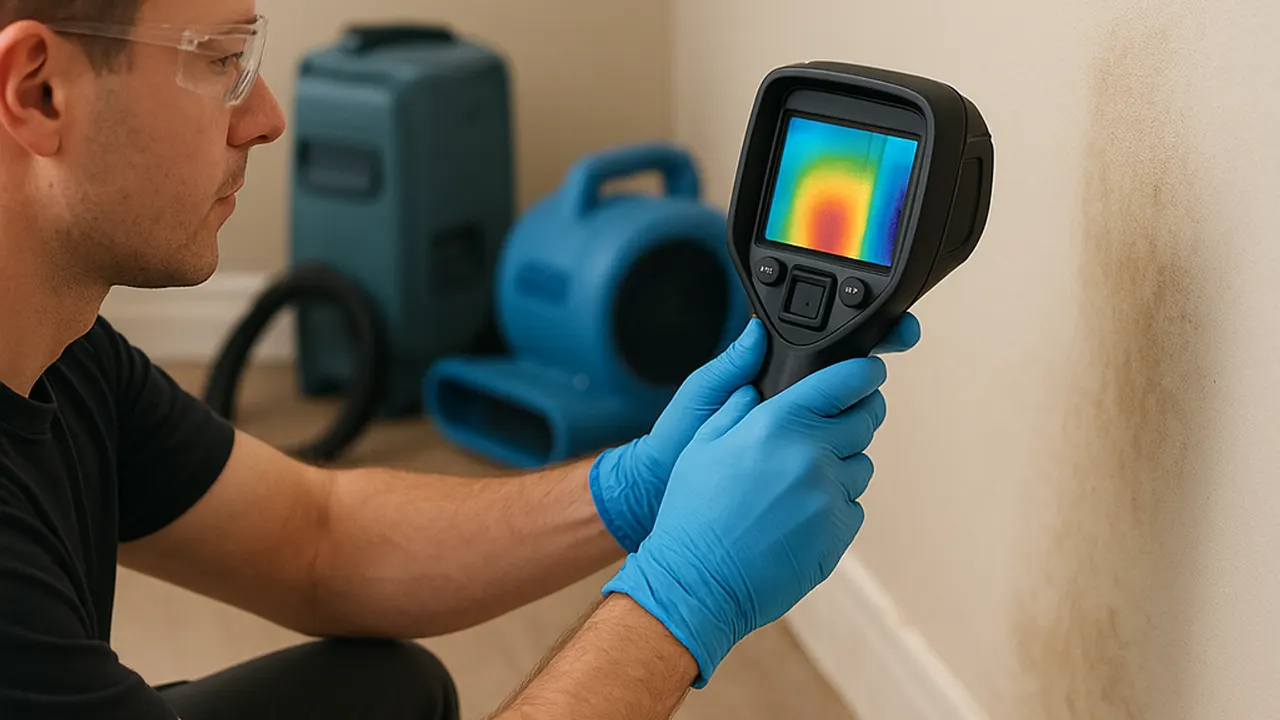
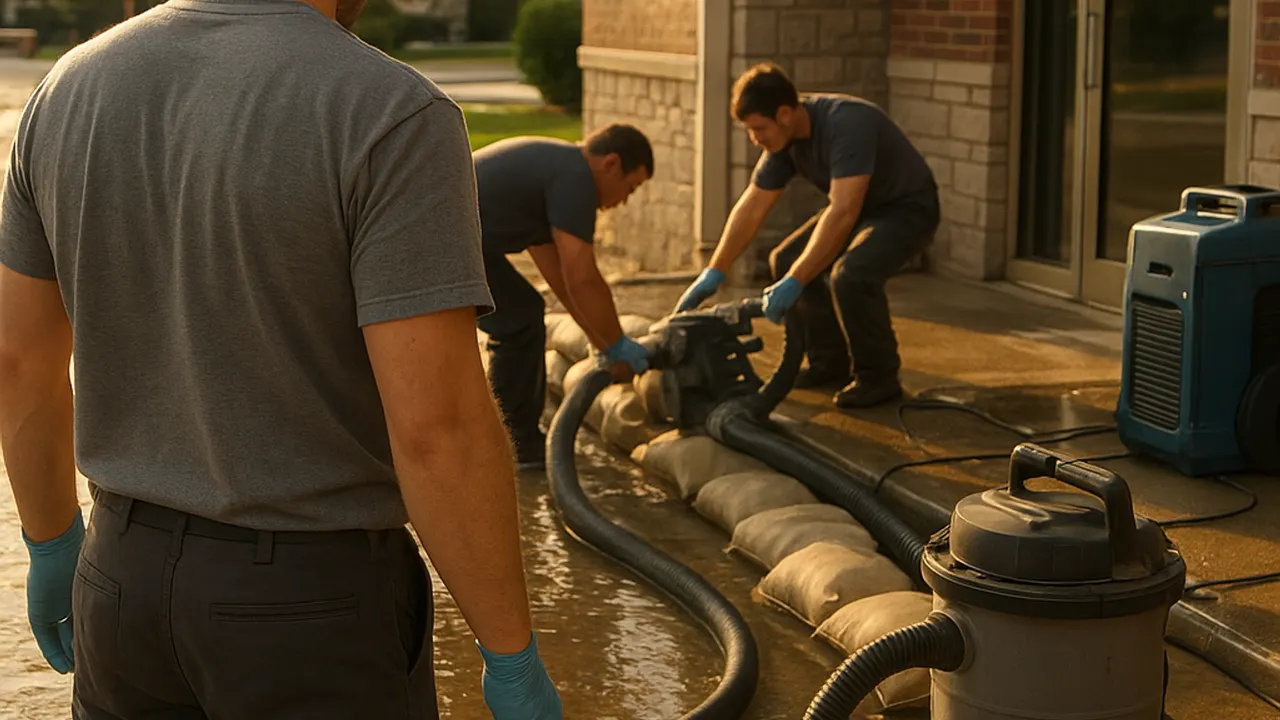
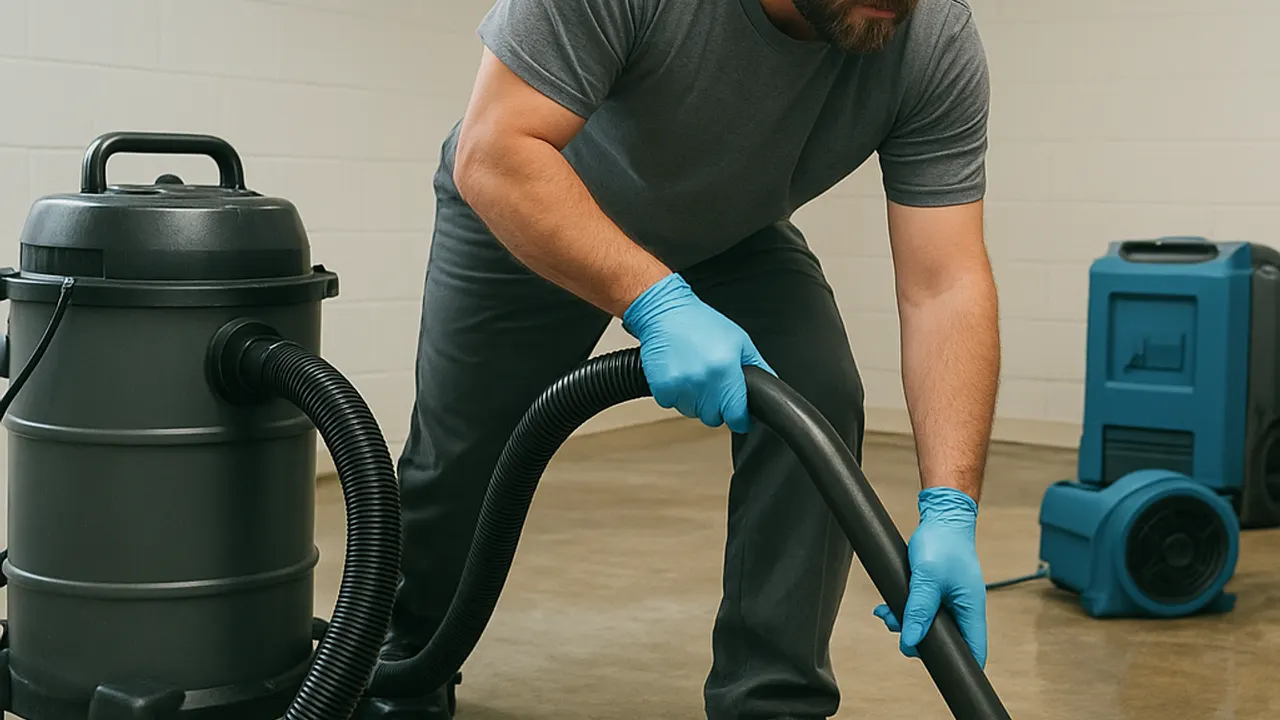
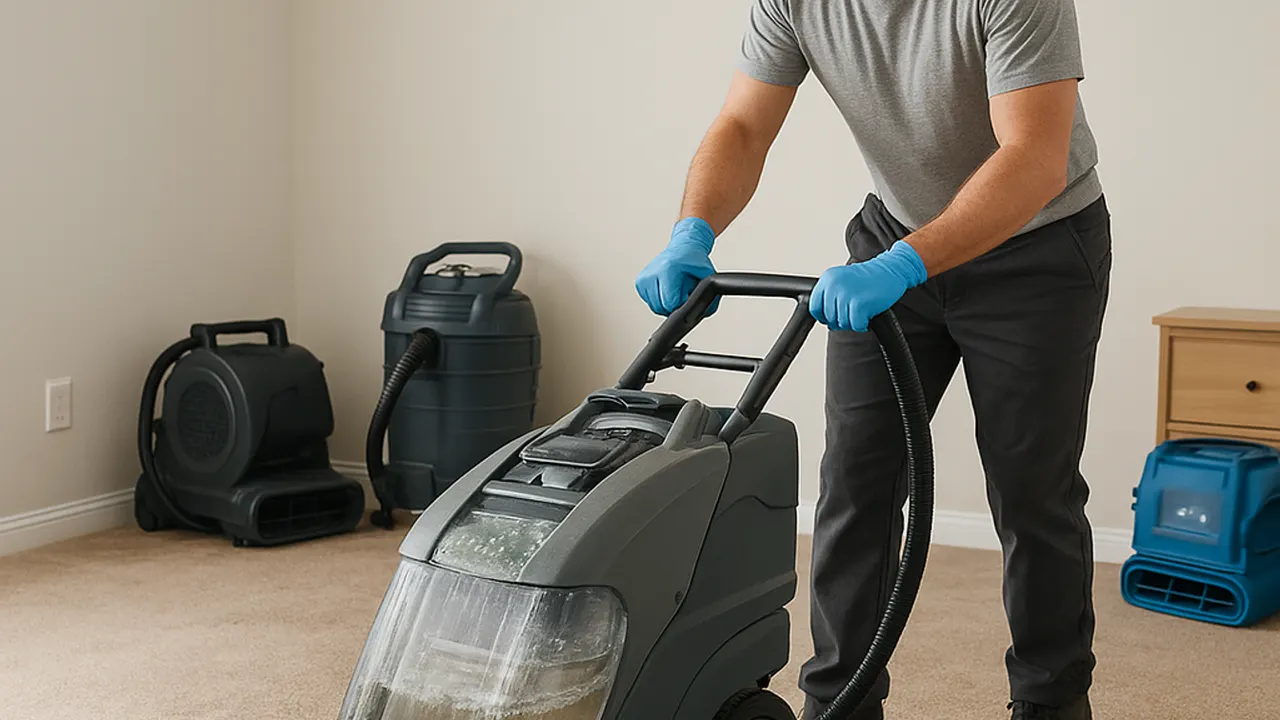
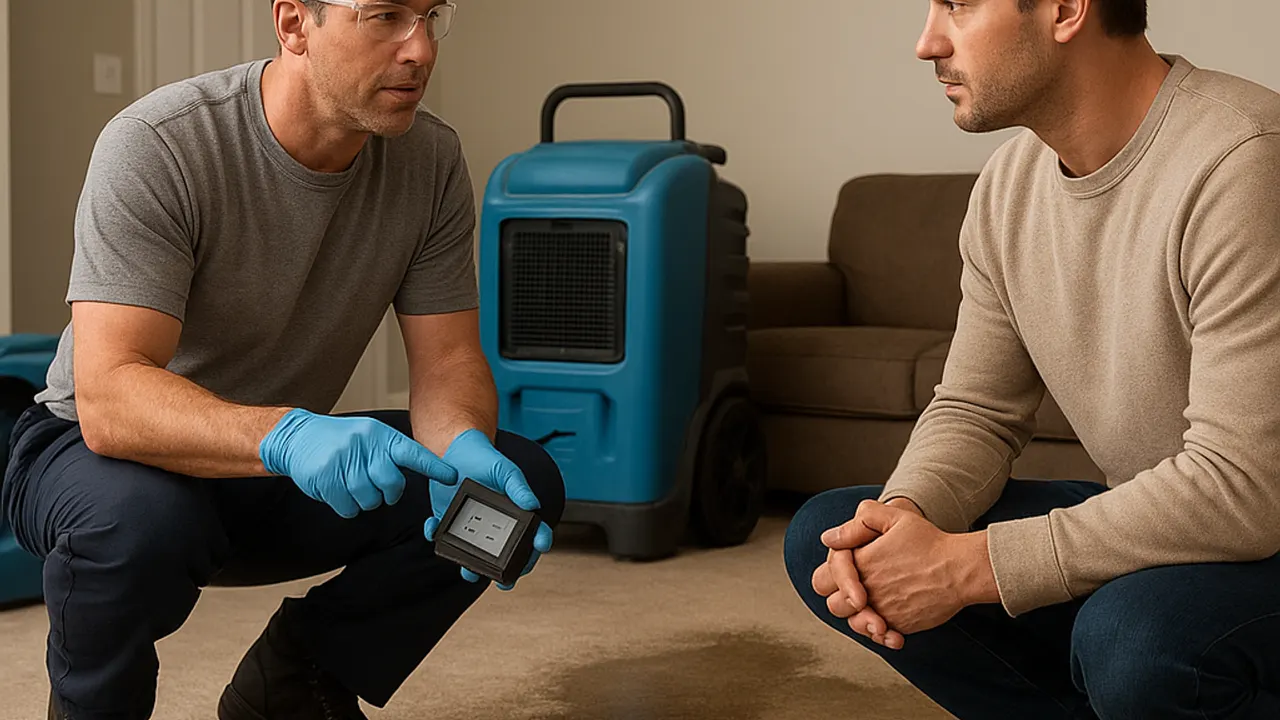
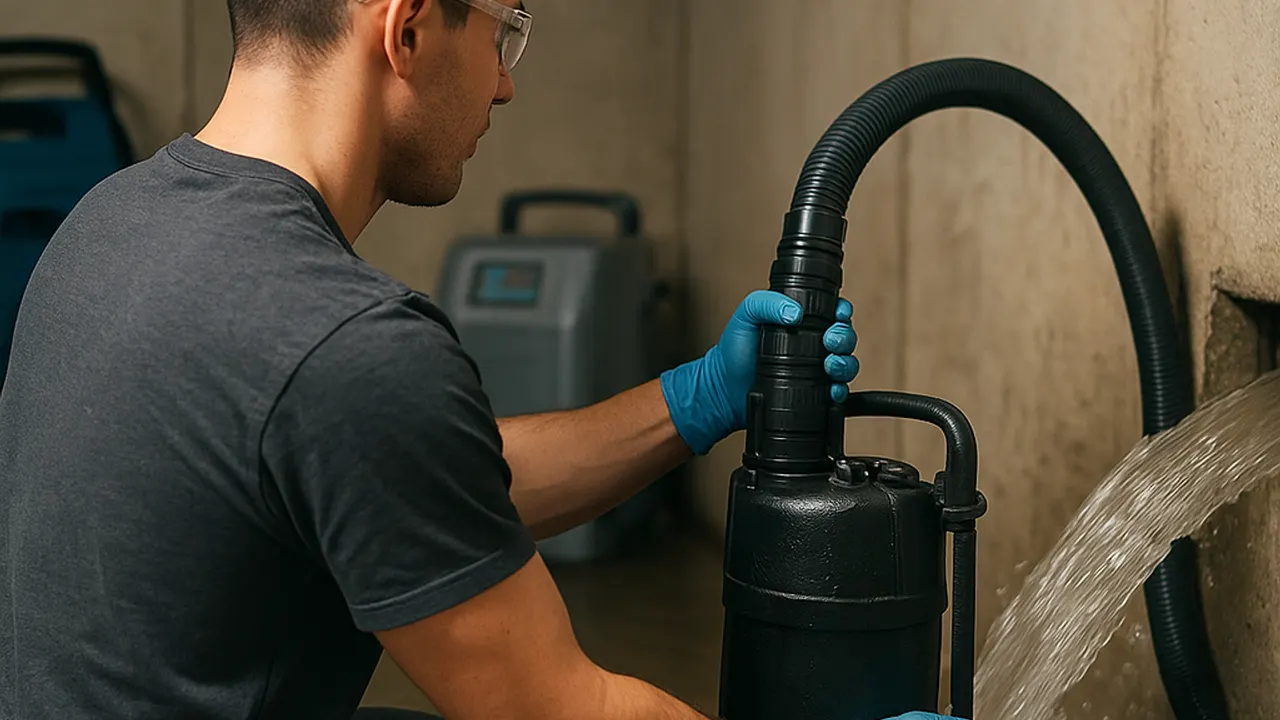
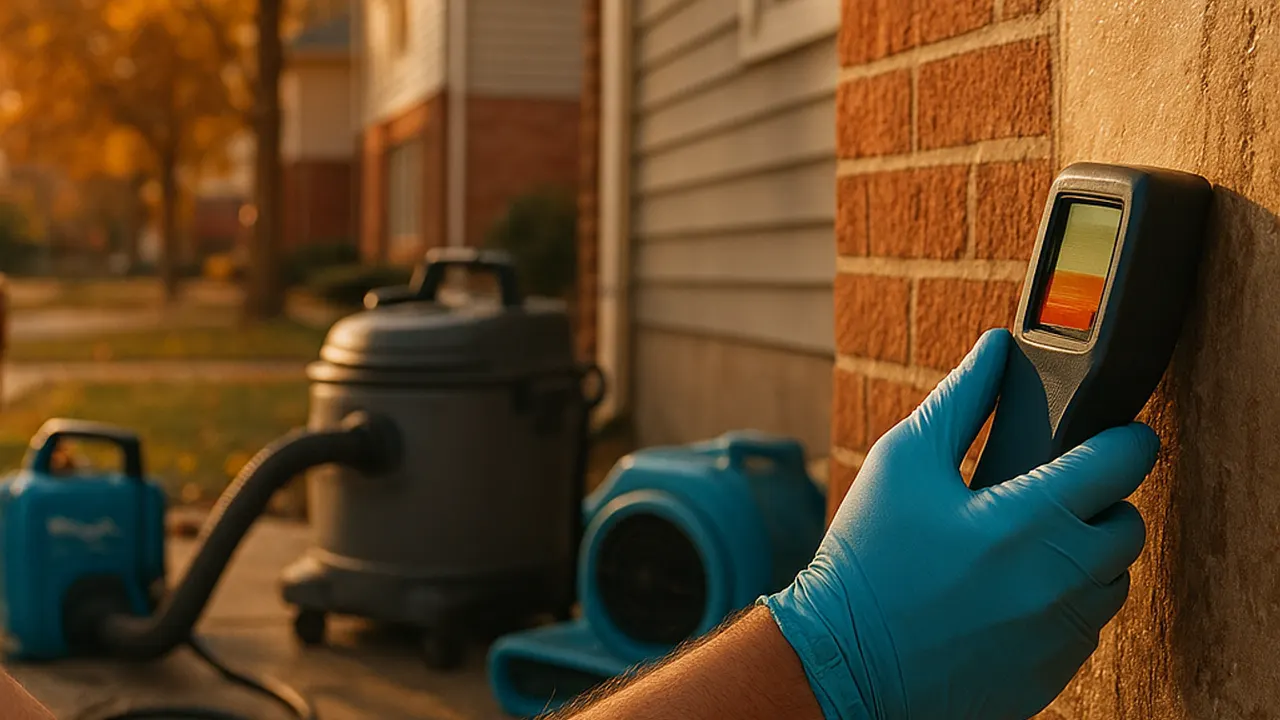
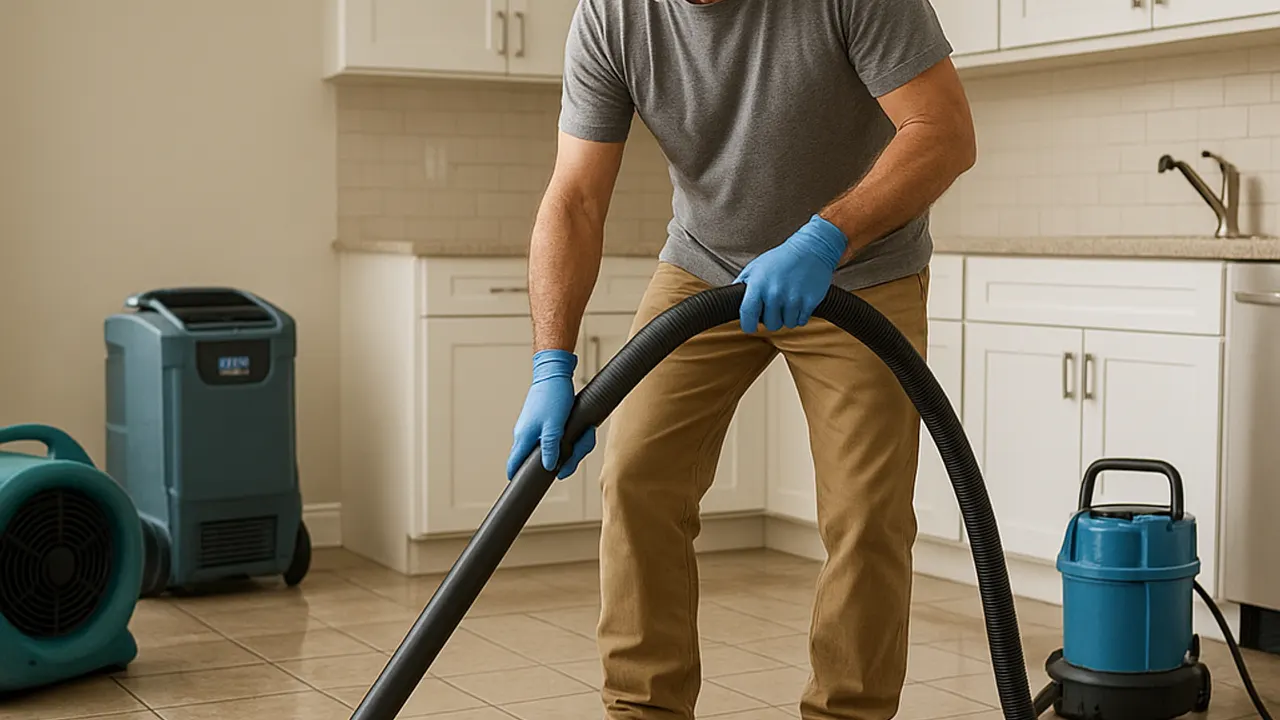
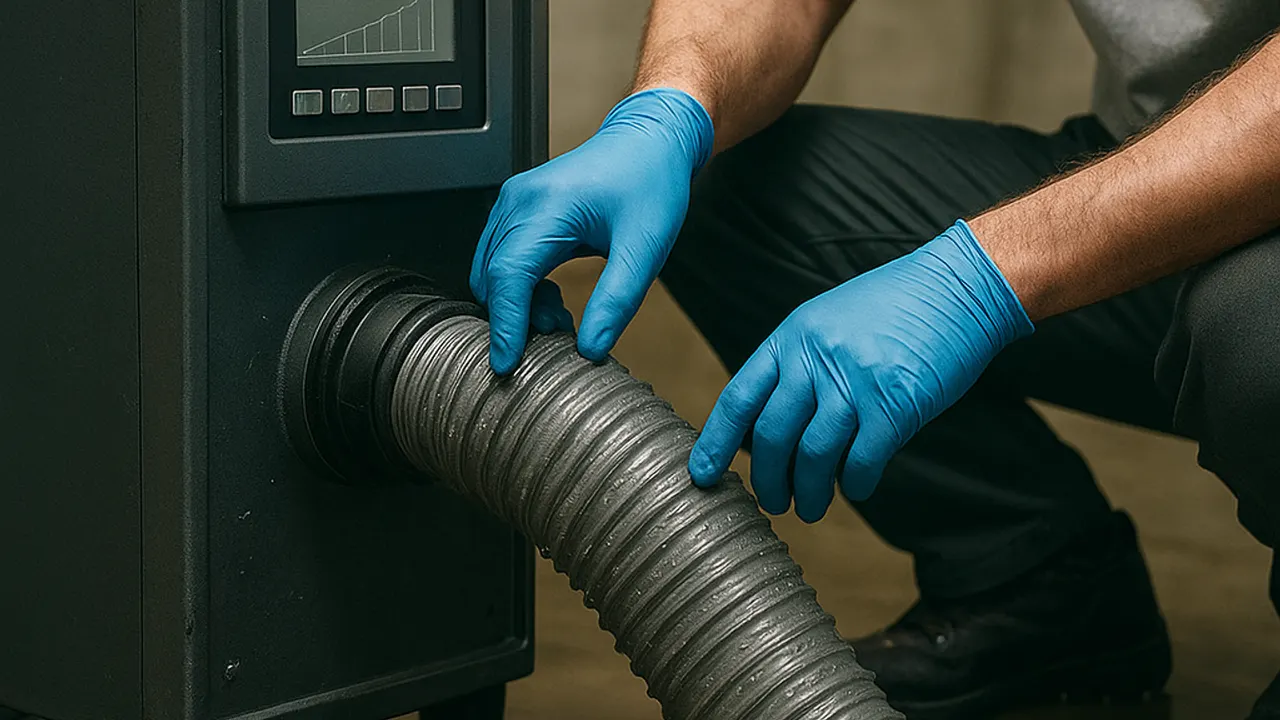
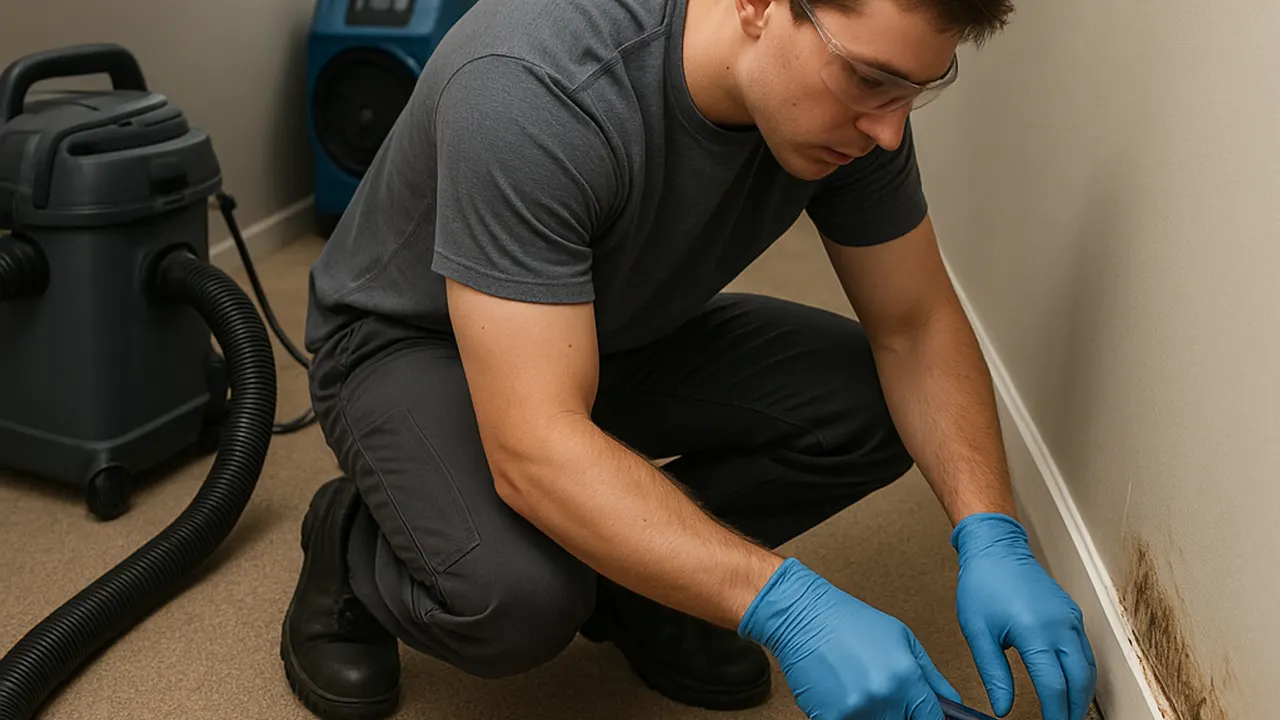
A truck-mounted water extraction unit can move large volumes from accessible areas, while a portable extraction unit is useful where building access is restricted. We check materials and moisture readings before deciding whether water-damaged carpet, drywall, or baseboards need additional drying or removal. You get a clear explanation of what is wet, what needs attention first, and how we will track progress.
Mile Square brings together dense commercial blocks and residential pockets where a small plumbing failure can affect multiple rooms or suites. A burst pipe above a retail ceiling, a water heater leak in an apartment, or basement flooding in an older building calls for quick containment and a careful check beyond the visible wet spot. Our local work focuses on access planning, safe extraction, and identifying hidden moisture before it becomes a larger repair.
We serve properties in 46204 and 46225, including buildings near Monument Circle and the Indiana Statehouse. White River-area locations also have localized flood considerations, so we ask about the water source and the property's lowest level before selecting a removal approach. Our goal is practical: remove water, protect unaffected areas, and leave you with a documented picture of the next steps.