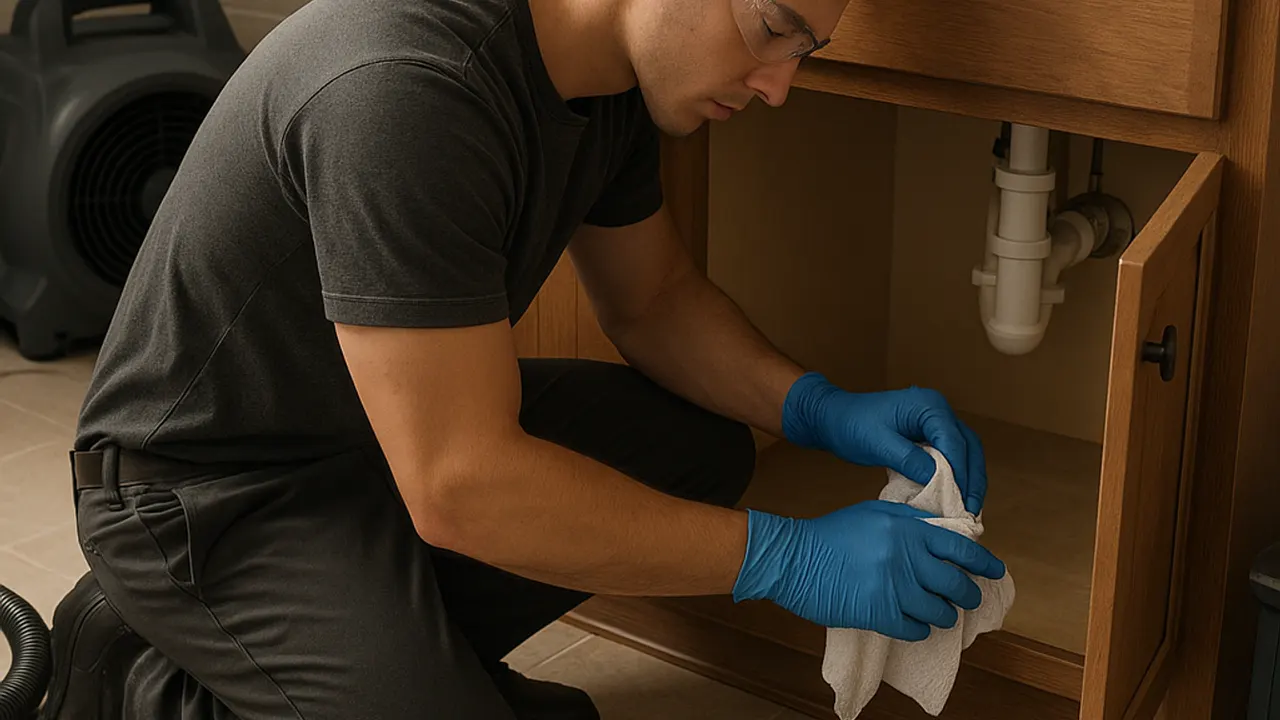
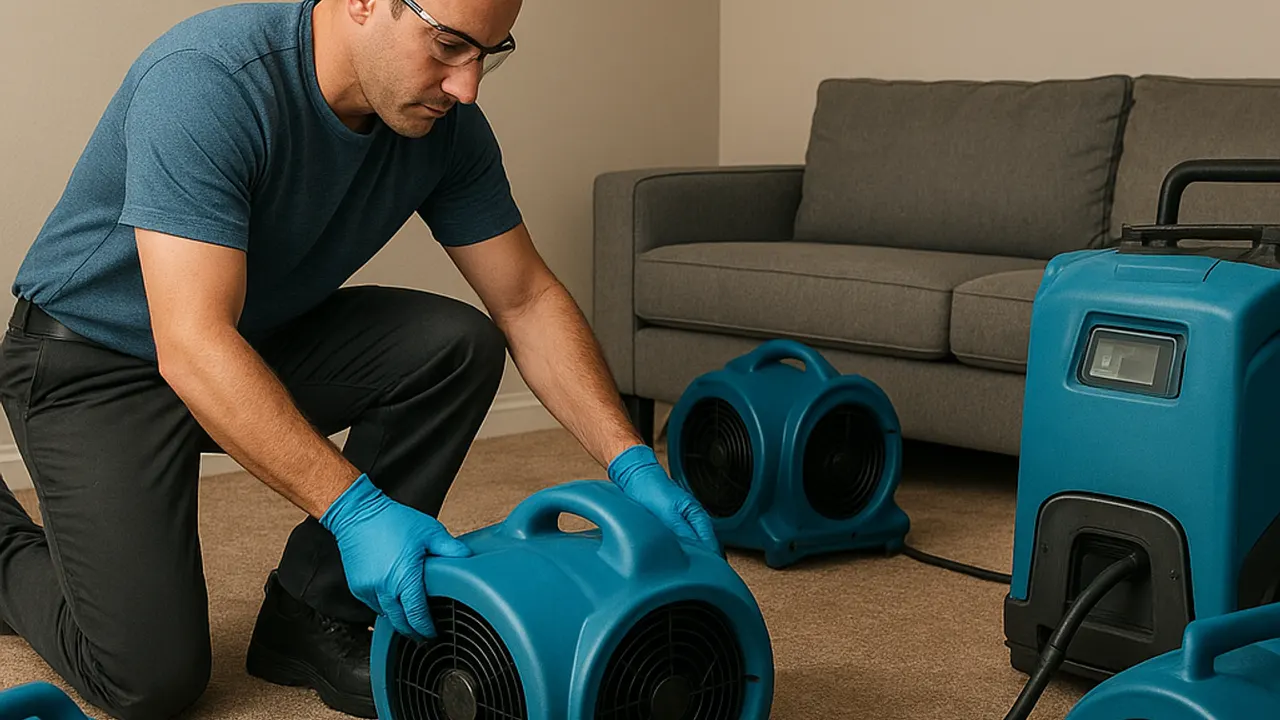
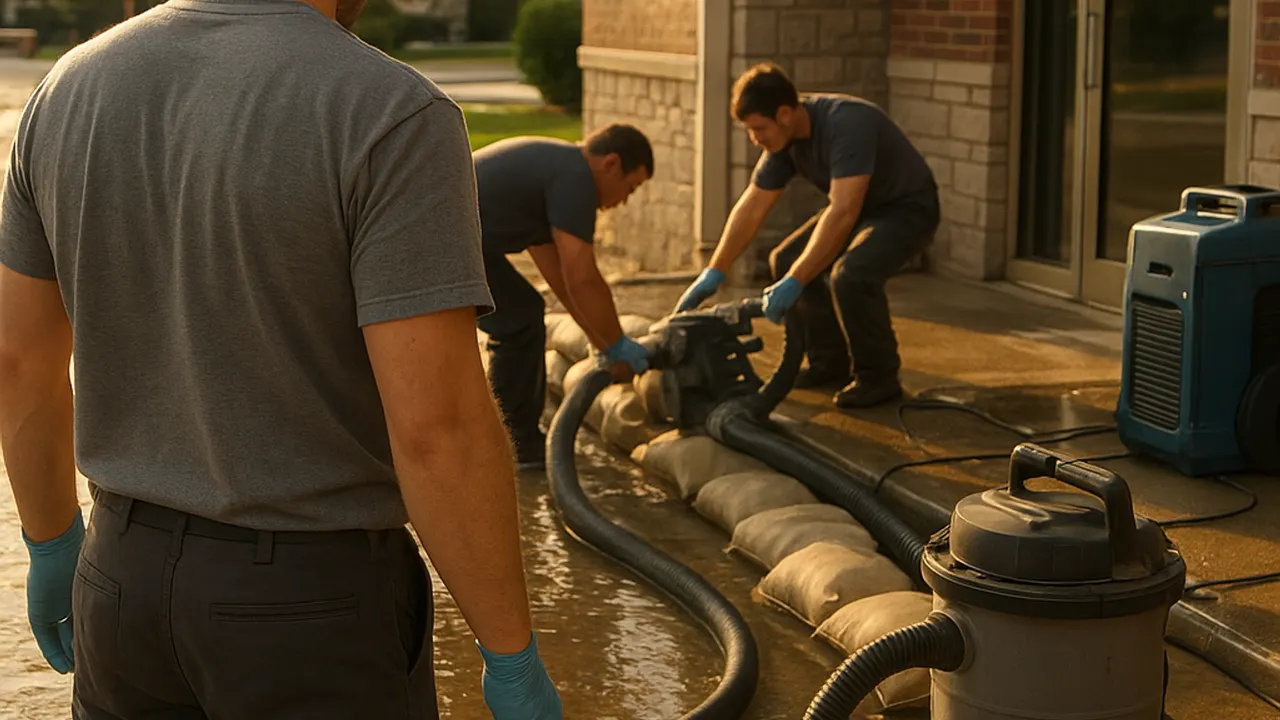
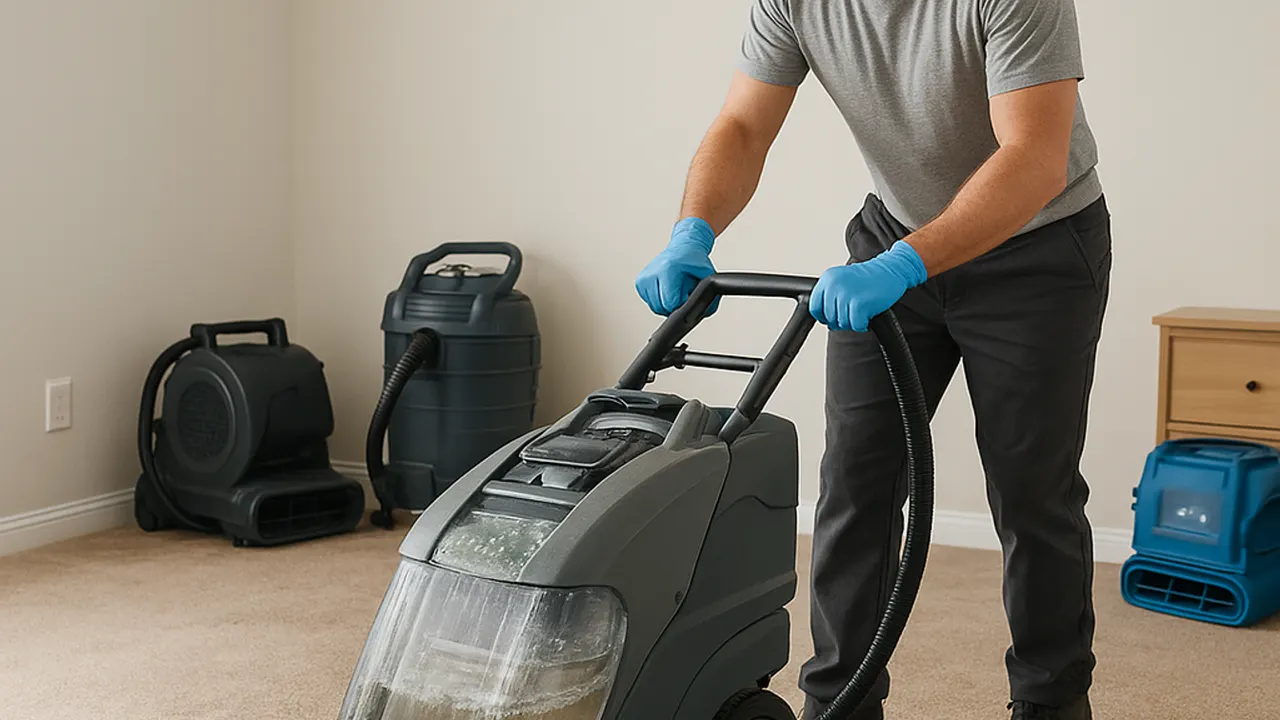
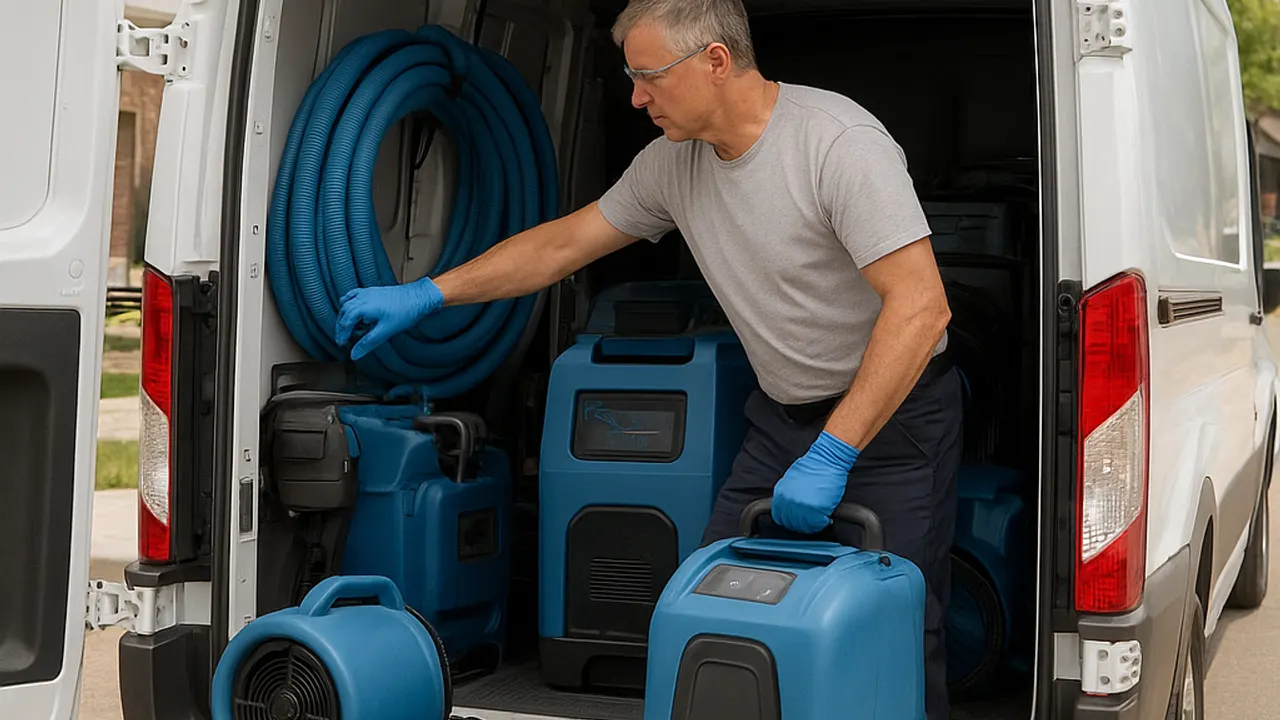
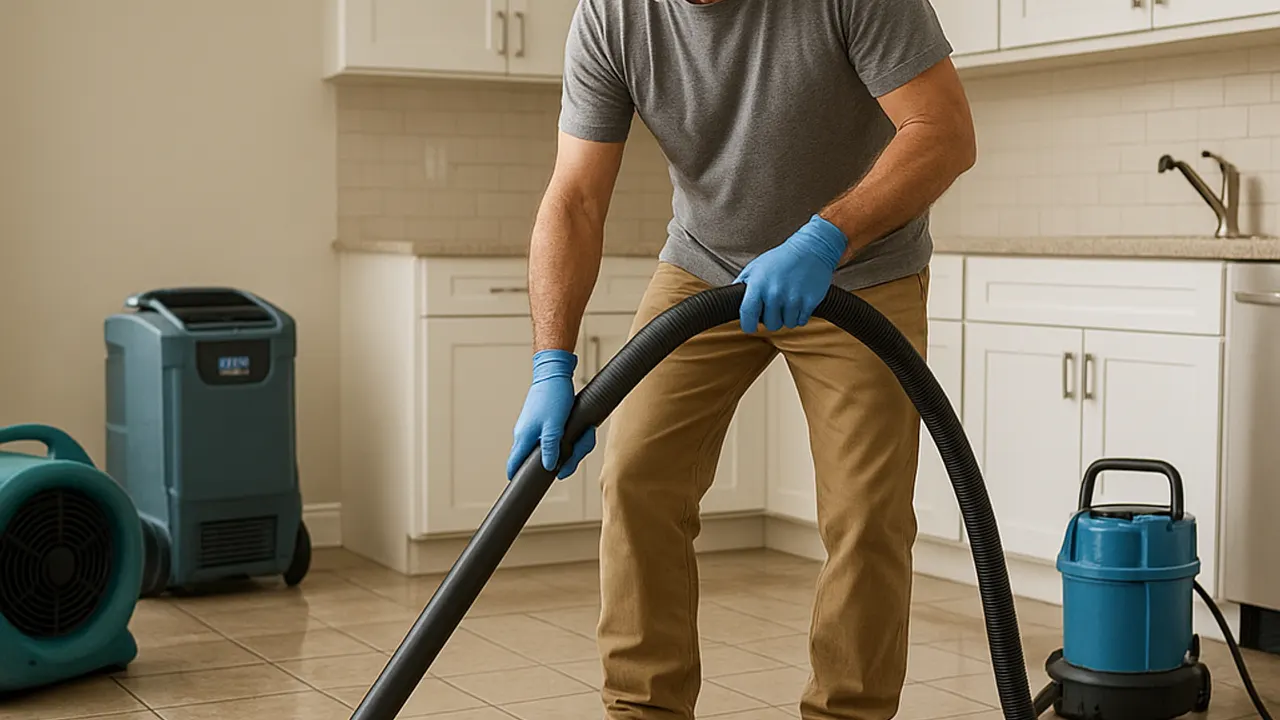
Sump pump failure cleanup Indianapolis IN helps homeowners and property managers deal with standing water after a pump stops, loses power, or cannot keep up with a storm. Our crew removes water, checks affected materials, and sets drying equipment where needed. For failed sump pump water removal Indianapolis residents can call Water Pump Masters before wet carpet, drywall, and stored belongings take on more moisture.
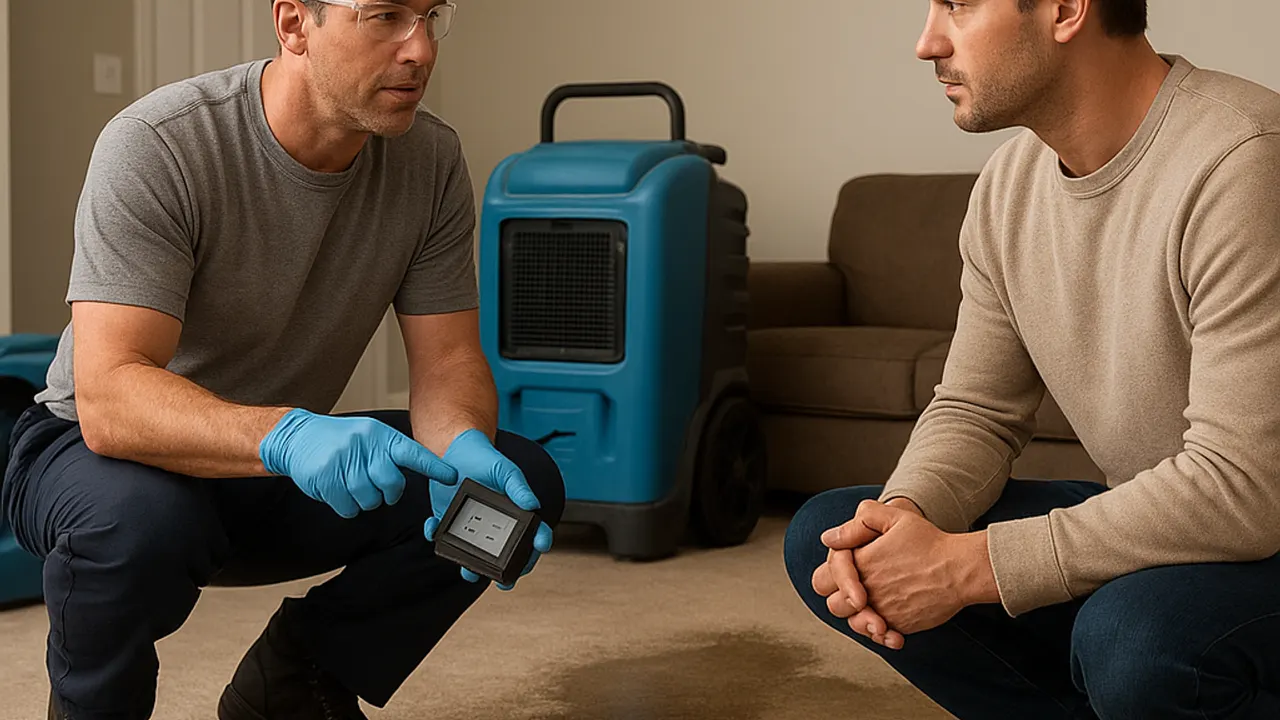
Checks water routeLocates visible entry and pooling
Protects walkwaysKeeps equipment paths accessible
Logs moistureRecords relevant surface readings
Explains next stepsReviews findings before departure
What's included in the cleanup
Sump pump failure cleanup covers water extraction, an assessment of accessible affected materials, and drying recommendations based on moisture readings. We explain the condition of carpet, flooring, and lower walls, then position drying equipment when appropriate. Pump replacement, electrical repair, and reconstruction are separate trades; we identify when those issues affect the cleanup so you can plan the right next step.
Initial water assessment
We identify visible water, check the route into the basement, and look for safety concerns before moving equipment. We ask when the pump stopped and whether water is still entering. This first look helps us choose a safe extraction method and understand which rooms or materials need priority.
Standing water extraction
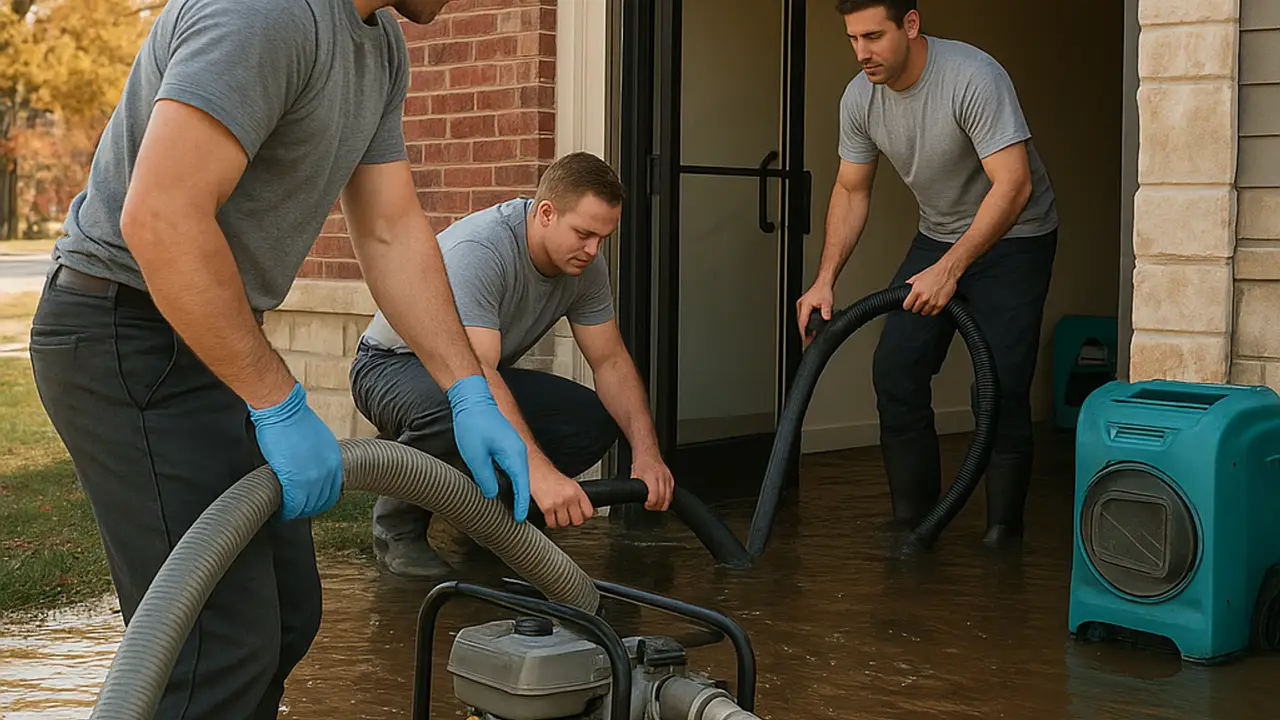
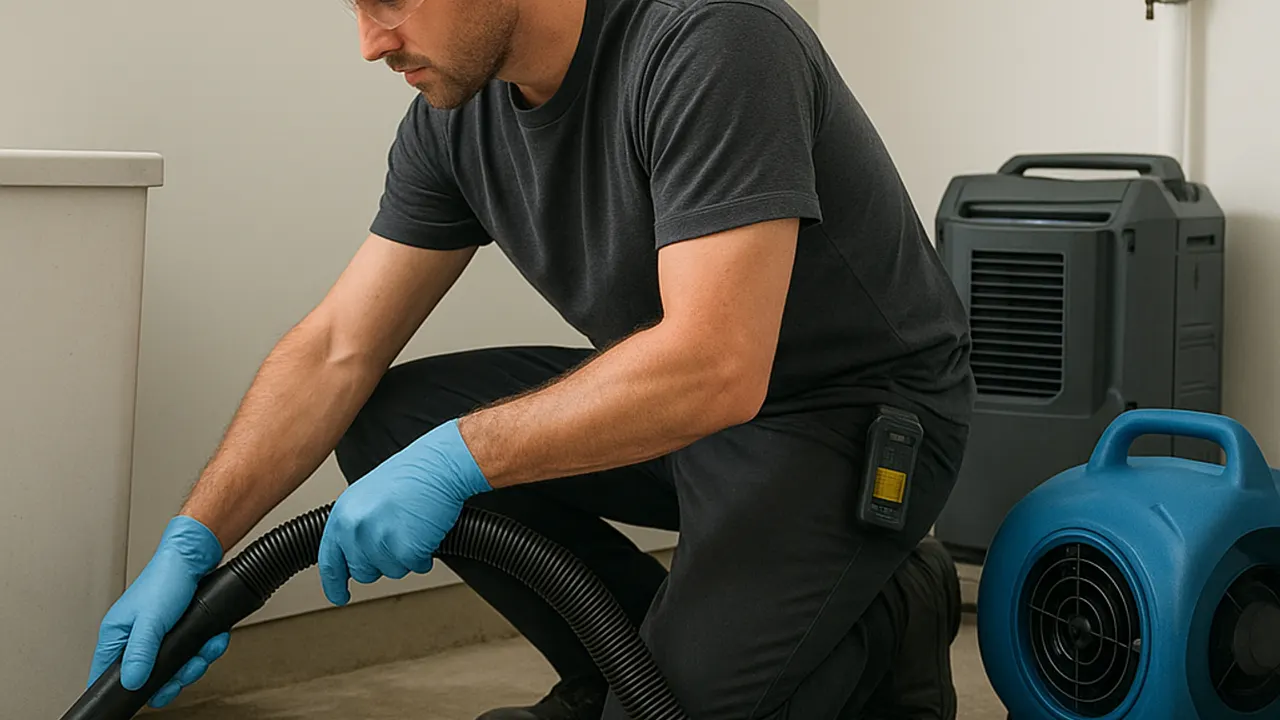
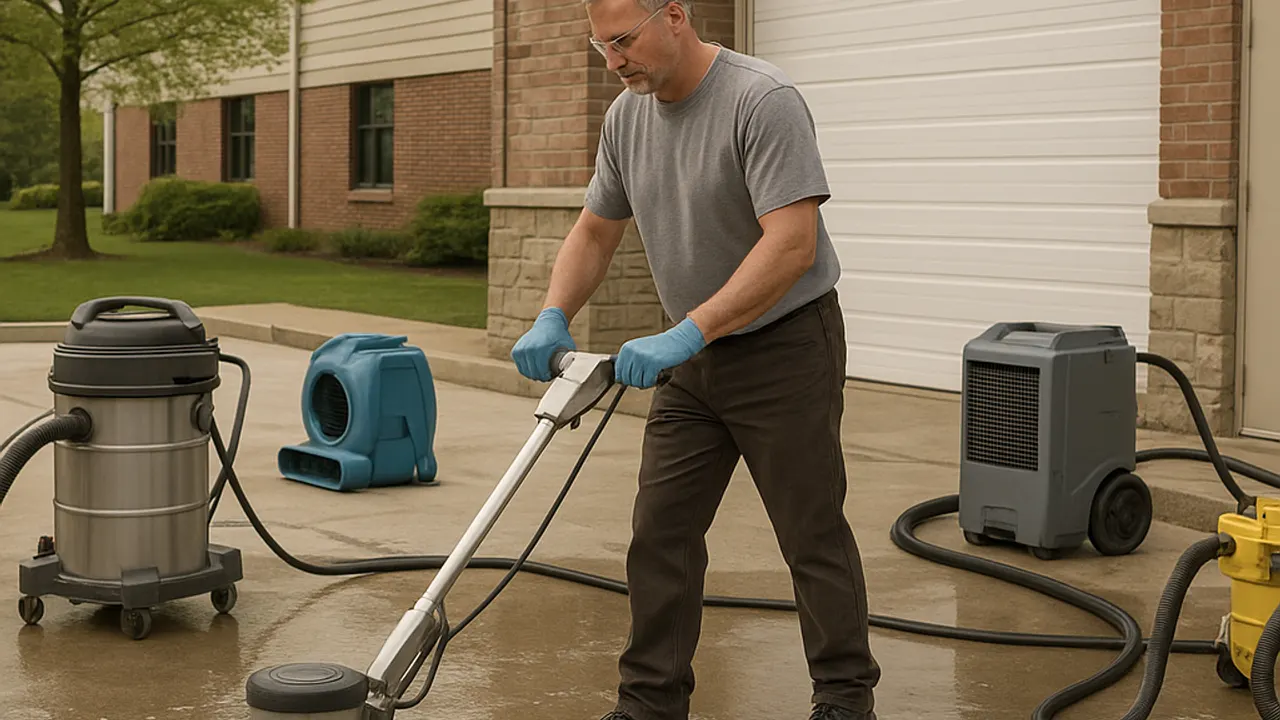
We remove pooled water from accessible basement surfaces with equipment matched to the water depth and room access. A submersible pump handles deeper areas; extraction units and wet vacuums help with remaining water near edges. The goal is to remove the water that would otherwise continue soaking materials.
Moisture checks
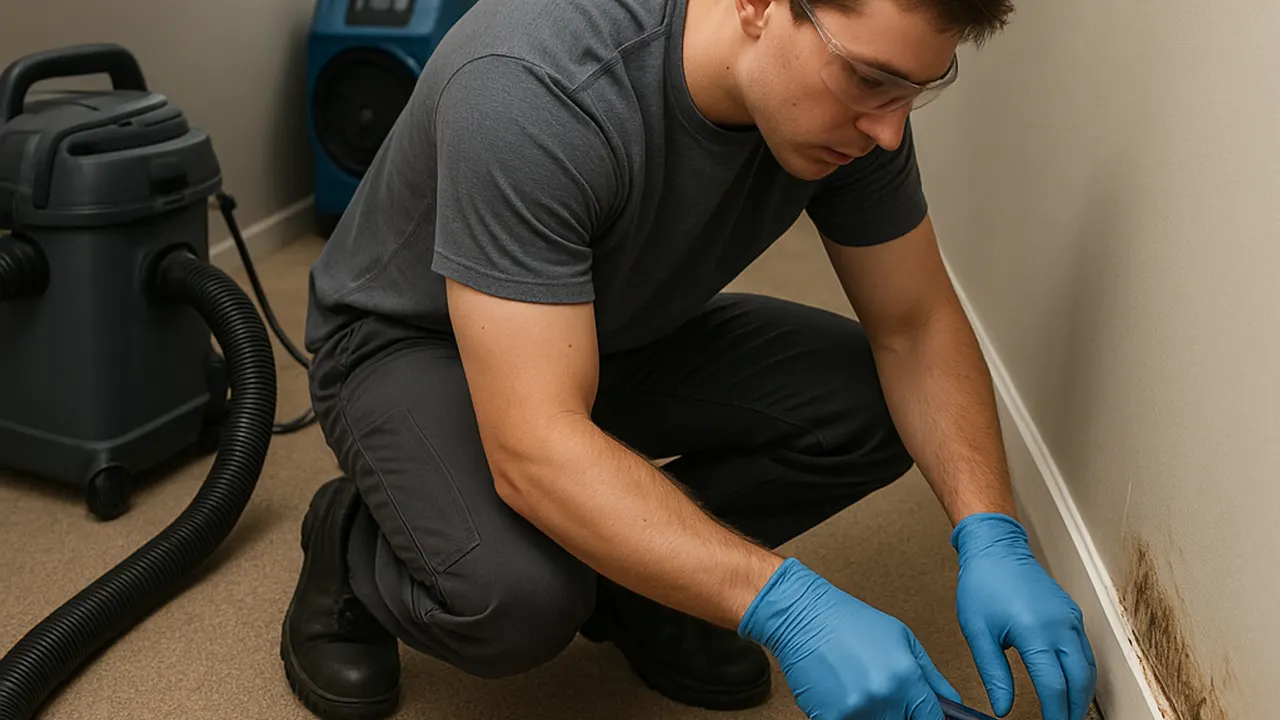
We check representative areas of flooring, baseboards, and lower walls with a moisture meter. These readings help identify damp materials that may not look wet. We explain what we find and use the information to guide the drying setup and follow-up checks.
Drying equipment placement
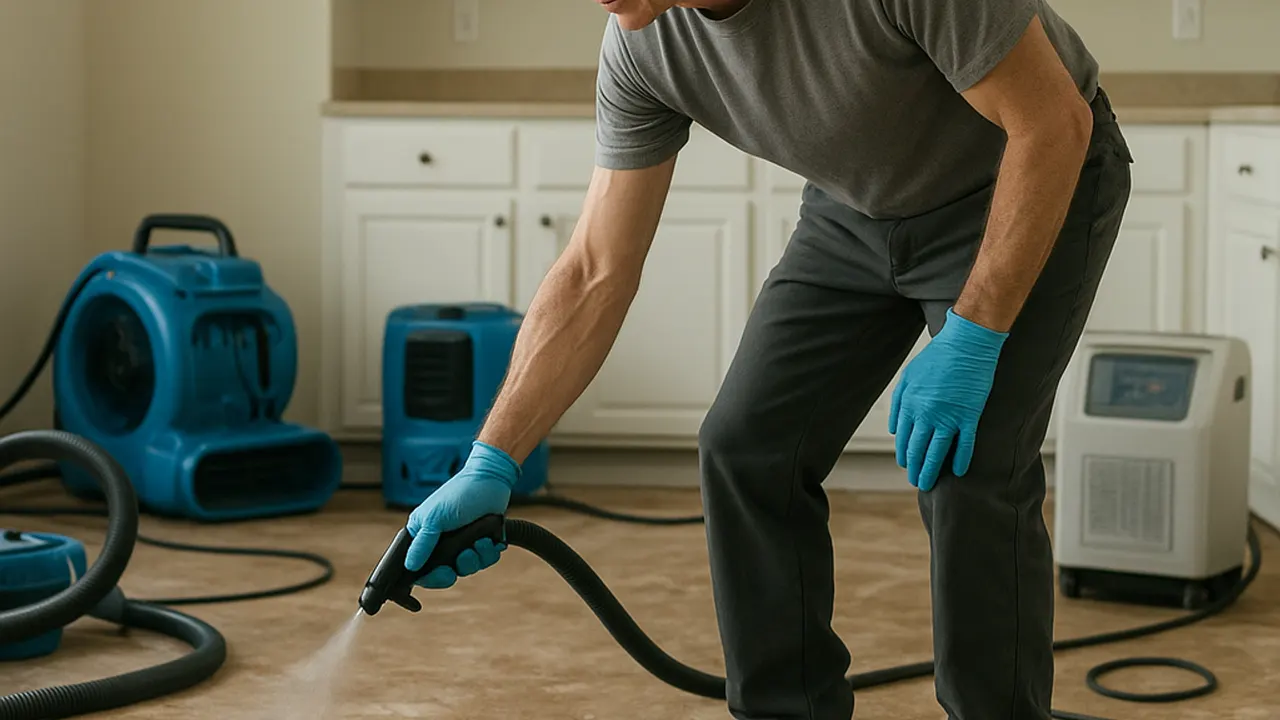
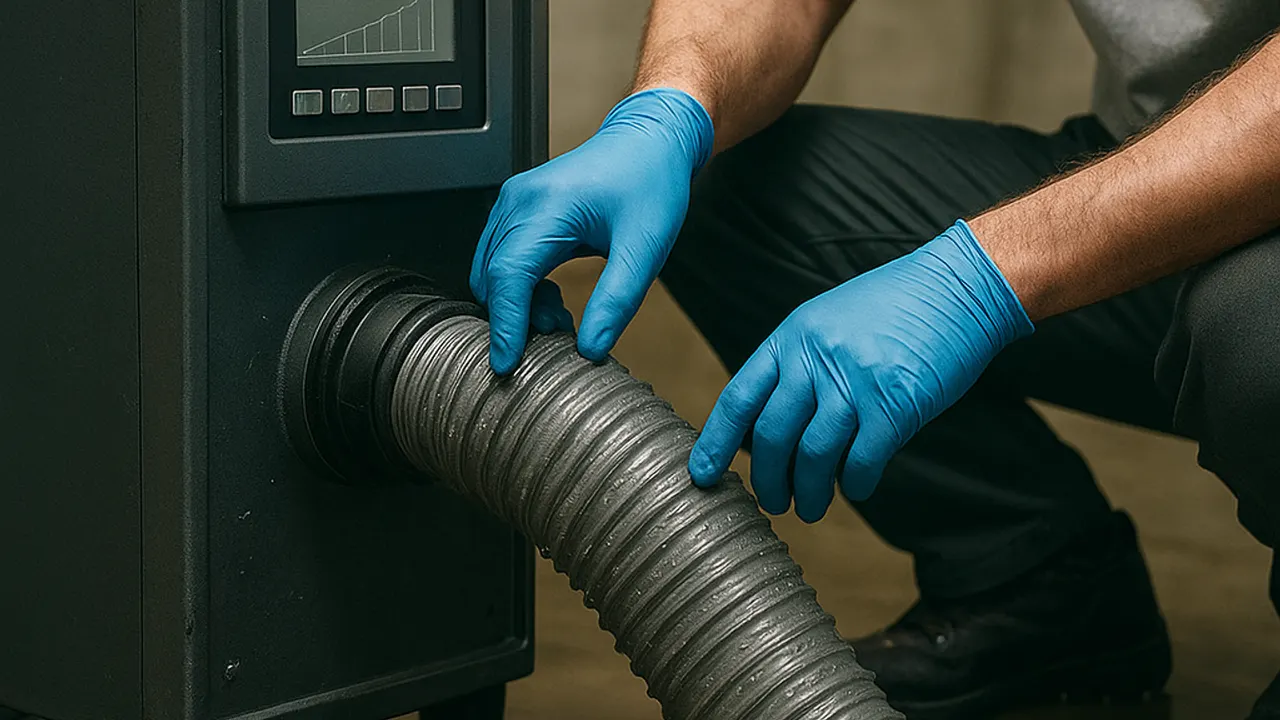
When conditions call for active drying, we position air movers and a commercial dehumidifier to circulate air and remove moisture. Placement depends on room dimensions, wet surfaces, and safe access. We tell you what equipment is running and which areas need to remain open.
Progress communication
We review the affected areas with you and explain what has been extracted, what remains damp, and what should happen next. If the failed pump needs repair or the basement requires material removal, we identify that need clearly so you can coordinate the appropriate trade.
Homes and businesses.
The approach is the same for a home and a business. What changes is the access, the schedule and who needs the paperwork.
Homes and rentals
We help homeowners and tenants clear basement water and identify damp flooring, carpet, and lower walls. You receive a clear explanation of the extraction and drying steps.
Water around a finished basement
Wet carpet after a pit overflow
Stored belongings exposed to water
Managed properties
We work with owners and property managers to remove water from lower levels and document affected areas. You can coordinate access and follow-up repairs with clearer information.
Flooded shared storage room
Water in a tenant basement
Sump overflow near utility equipment
Sump pump failure cleanup Indianapolis IN
A plain-language look at what Sump Pump Failure Cleanup involves and when it is needed.
Sump pump failure cleanup Indianapolis IN is water damage mitigation that removes standing water and dries affected building materials after a sump system stops controlling groundwater. We first identify the water level and affected rooms, then extract pooled water from the basement floor, carpet, or other accessible surfaces. A moisture meter helps us check materials beyond what looks wet, including baseboards and lower drywall. If water reached electrical equipment, do not step into it; keep clear and arrange safe access before cleanup begins.
Indianapolis basements face water intrusion during heavy autumn rain, winter thaws, and spring storms, especially when a pump loses power or its discharge line is obstructed. Our local crew handles basement flooding in Marion County and checks whether water came from the pit, a drain backup, or another source. If you are asking what to do when a sump pump fails during a storm, move people and pets away from standing water, avoid energized equipment, and call for extraction.
Remove standing water, check affected materials, and dry the basement according to measured conditions.
What it is
Water extraction and drying assessment after a sump pump stops controlling basement water.
When needed
When a failed pump, power loss, or overflow leaves standing water or damp materials.
What to expect
An area assessment, water removal, moisture checks, and drying guidance.
How cleanup proceeds
Indianapolis sump pump failure cleanup starts with safe access and a clear look at the affected basement. We explain the work as it moves from extraction to moisture checks and drying, so you know what is happening in your home. A small water loss may take a few hours; drying wet building materials takes longer and requires follow-up readings.
Assess the area
We walk the basement with you, locate visible water, and ask when the pump stopped and whether power is still interrupted. We also look for electrical hazards and signs of other water sources. The first assessment usually takes about 15 to 30 minutes, depending on the number of rooms and how much of the floor is accessible.
Safe access
Water source
Affected rooms
Extract standing water
We choose a submersible pump or truck-mounted water extraction unit based on water depth, access, and volume. A wet/dry vacuum or portable extraction unit handles remaining water along edges and in confined areas. Extraction often takes one to three hours, but deeper flooding and several connected rooms require more time.
Pool removal
Depth matched
Edges checked
Check wet materials
We inspect flooring, baseboards, and lower wall sections, then take moisture readings at representative points. You can see which materials are wet and where further checks are needed.
Surface readings
Material review
Findings explained
Set drying equipment
We place air movers to circulate air across wet surfaces and use a commercial dehumidifier to remove moisture from the room. Equipment placement depends on the room size, materials, and readings. We keep walkways in mind and explain what should remain undisturbed while the drying setup is operating.
Air movement
Moisture control
Clear walkways
Review progress
We return for moisture checks when drying equipment is in place and compare readings with the initial inspection. The schedule depends on how wet the materials are; many drying plans run for several days. We explain whether equipment can be removed, what materials need further work, and how to prevent a repeat water event.
Reading comparison
Progress review
Next steps
Tools and drying methods
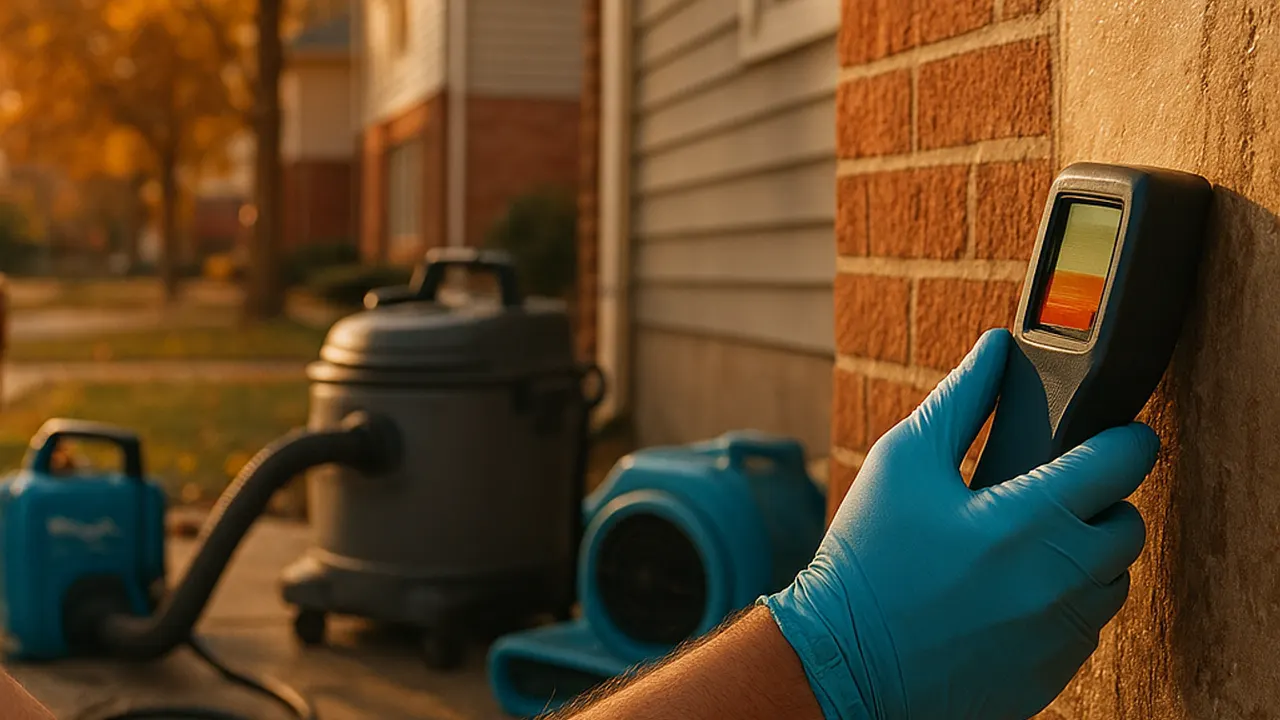
Move across a circle, or focus it and press Enter, for an illustrative thermal view of the photograph.
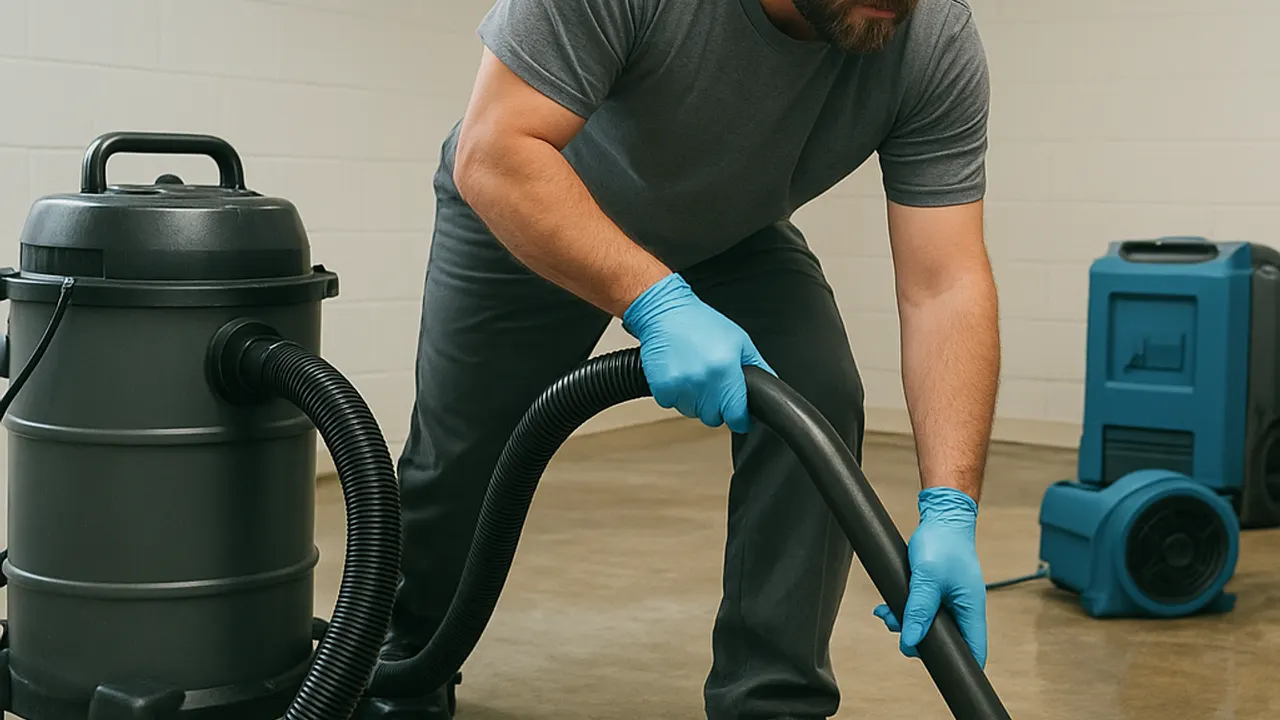
Truck-mounted water extraction unit
We use it to remove larger volumes of accessible water where the property layout and entry route allow. High-capacity extraction speeds the initial removal stage.
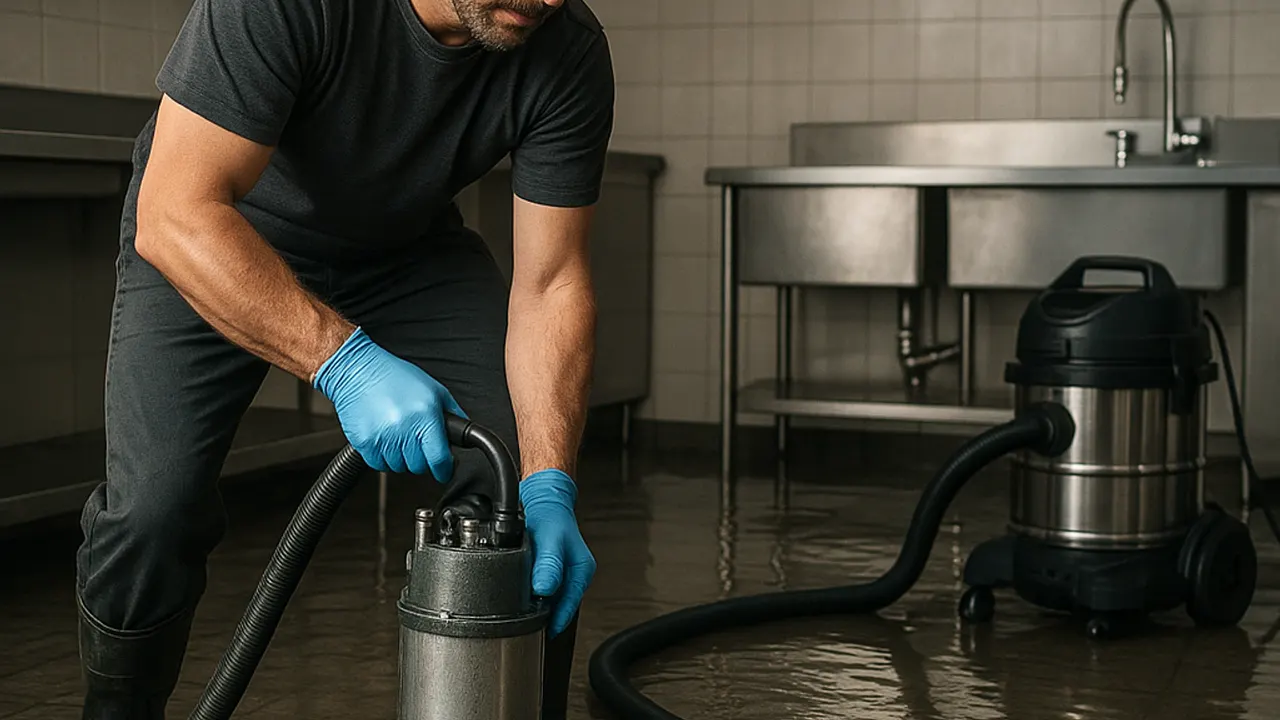
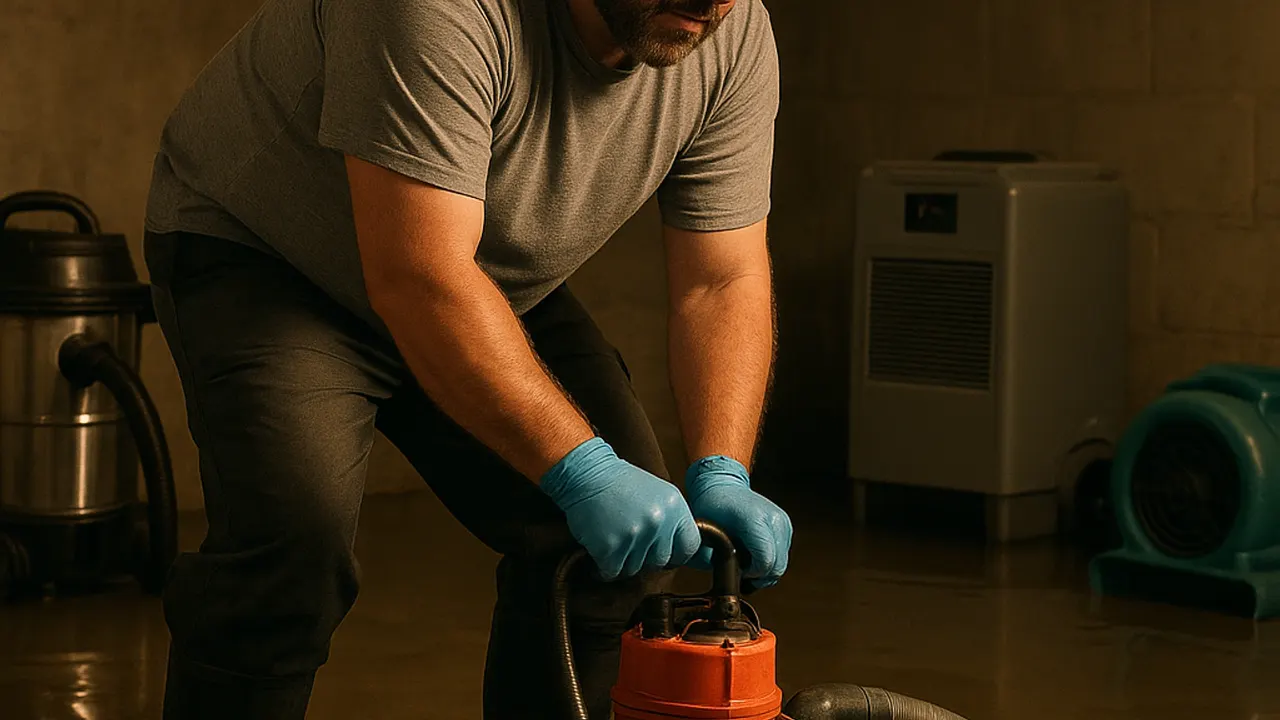
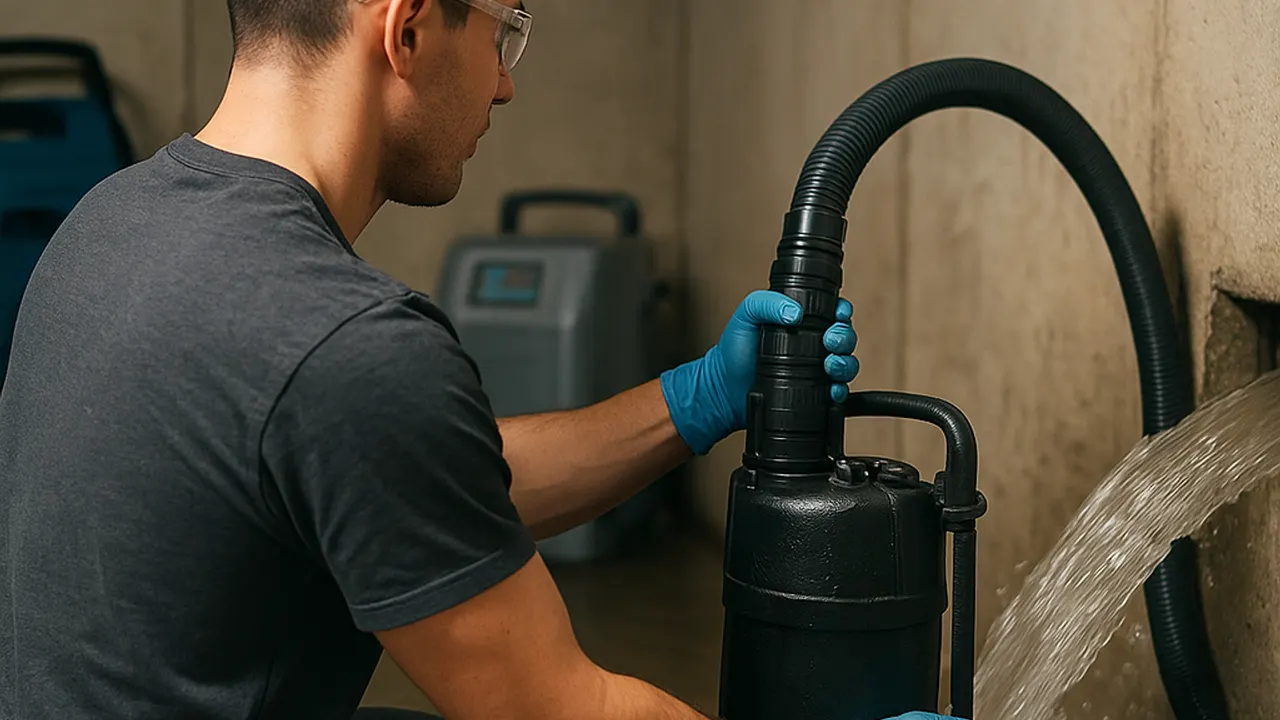
Submersible pump
A submersible pump moves deeper pooled water from a basement or sump area. We choose it when water depth makes surface extraction inefficient.
Moisture meter
We check representative flooring, trim, and wall areas for moisture that is not obvious by sight. Readings help guide drying and follow-up.
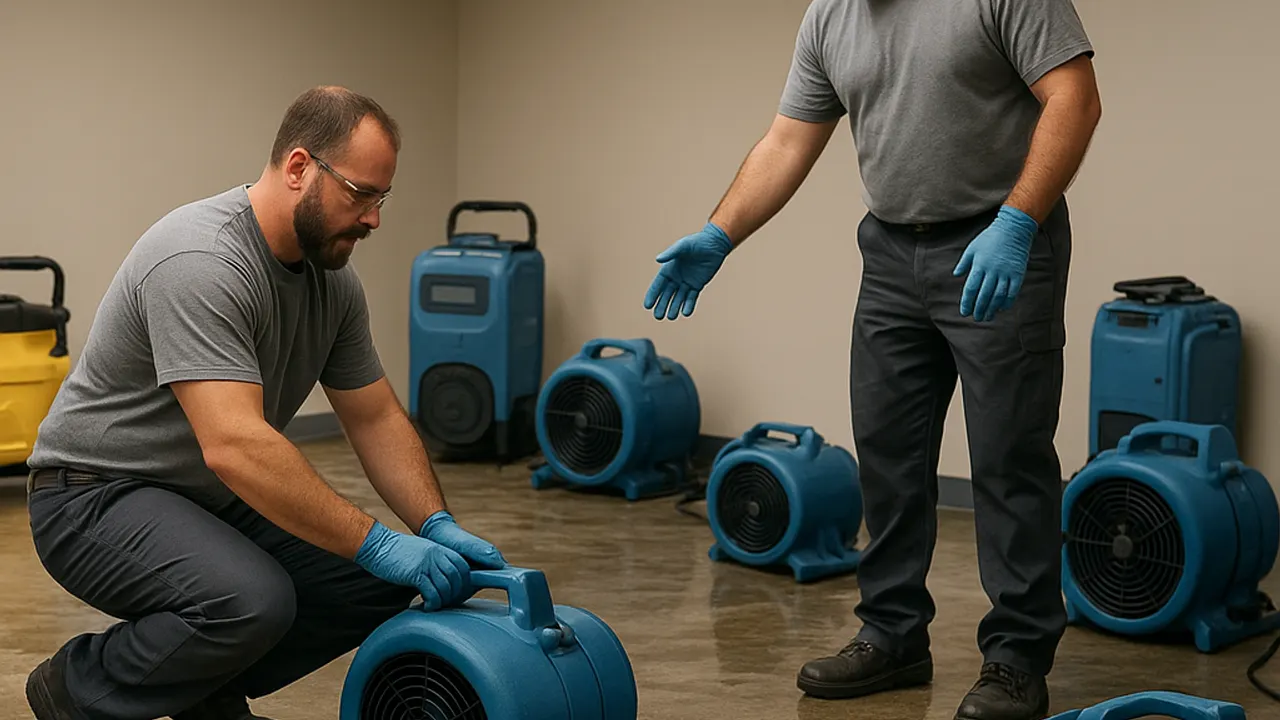
Air mover
Air movers circulate air across affected surfaces to support evaporation. We position them according to room layout and wet materials.
Commercial dehumidifier
A commercial dehumidifier removes moisture from the basement air during drying. We use it with air movement when conditions call for controlled drying.
Thermal views are illustrative, generated from the photographs.
Methods
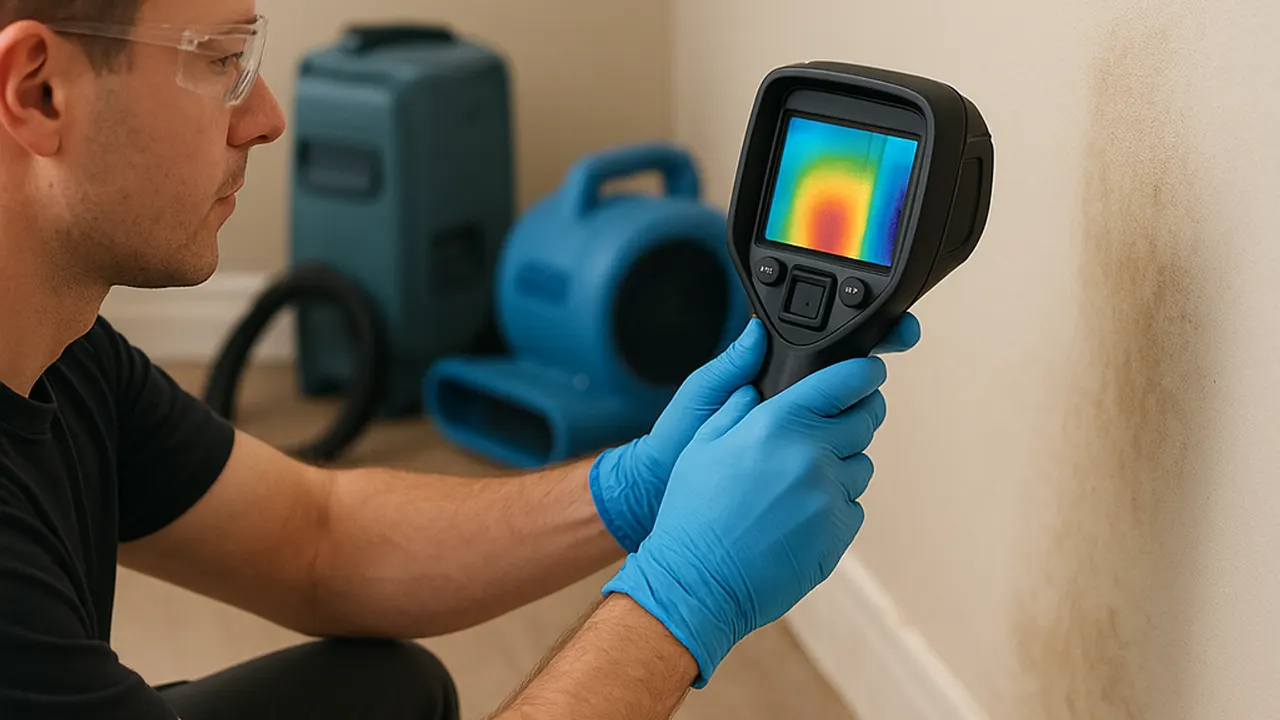
Thermal imaging camera
We use thermal imaging as a screening tool to spot temperature patterns that may merit closer inspection, then confirm concerns with appropriate moisture checks.
ANSI/IICRC S500-guided restoration
We use the ANSI/IICRC S500 Standard for Professional Water Damage Restoration as a reference for assessing water damage and planning drying. The standard supports a measured approach: inspect affected materials, document conditions, remove water, and monitor progress. We explain findings in terms you can use to plan repairs.
Source and safety assessment
Before extraction, we identify where water is coming from and check whether it is still entering. We consider electrical hazards, access, and the condition of the sump area. This helps us choose an appropriate sequence and avoid treating an ongoing source as a completed flood.
Targeted structural drying
We combine air movement and dehumidification according to the materials and room conditions. Moisture readings guide equipment placement and follow-up rather than a fixed number of machines. We check progress and explain when wet materials require additional evaluation or repair.
When cleanup is needed
Finished basement
A heavy October rain overwhelms a sump pit in a finished basement near Fall Creek Place.
We check safe access and whether water is still entering, then extract the pool from finished areas. Our team inspects carpet, padding, baseboards, and lower walls for moisture before placing drying equipment. We also explain when the pump or discharge line needs plumbing attention.
Outcome: You get standing water removed and a practical picture of which finishes need drying or further inspection, rather than relying on surface appearance.
Power interruption
A power interruption stops the sump pump in an Irvington home while rainwater collects around stored belongings.
We assess the affected floor and belongings, remove accessible water, and check nearby materials with a moisture meter. We keep equipment placement clear of stored items where possible and explain which wet belongings should be moved or evaluated separately.
Outcome: The basement is cleared of accessible water, and you know which areas remain damp and what needs follow-up after power and pump operation are restored.
Pump overload
A pump runs repeatedly but cannot keep up with groundwater entering a lower level in Southport.
We identify active entry conditions before extraction and remove pooled water from safe, accessible areas. Our crew documents affected surfaces and checks how far water has reached. We explain that a plumbing professional should inspect the pump capacity and discharge if the system continues to struggle.
Outcome: You get an orderly water-removal process and clearer information for coordinating pump repair, while wet materials are identified for drying.
Rental overflow
A small sump pit overflow reaches carpet and drywall in a rental near Downtown Indianapolis.
We extract standing water, inspect the carpet and lower drywall, and record moisture readings at affected points. We explain the results to the property contact and identify areas that need drying equipment or further material evaluation, helping coordinate access without overlooking the wall edges.
Outcome: The property manager can see what was affected, what was extracted, and which follow-up tasks remain before the basement is returned to normal use.
Old NorthsideIrvingtonBroad Ripple
Indianapolis basement cleanup details
Indianapolis weather shifts from fall downpours to winter freezes and spring storms, creating different stresses on sump systems and basement drainage. In older homes around the Old Northside and Meridian-Kessler, finished basements, masonry foundations, and tight utility spaces can make access and drying more involved.
Our crew checks the route water took, whether the pit is still receiving water, and which materials are in contact with the floor. Indianapolis sump pump failure cleanup also means paying attention to humidity and cool basement surfaces, which can slow drying.
If you need emergency sump pump failure cleanup Indianapolis IN, tell us whether power is out, how deep the water is, and whether it is near electrical equipment. We serve Marion County and adapt extraction and equipment placement to the actual building. For safety, we do not treat standing water near energized equipment as a routine cleanup; safe access comes first.
Old Northside: Older basements and finished lower levels can have mixed materials. We check trim, flooring edges, and accessible wall areas after water extraction.
Irvington: Heavy rain can push water into basement spaces when a pump loses power. We assess whether water is still entering before setting a drying plan.
Broad Ripple: A sump failure can affect storage rooms and carpeted areas. We check padding and nearby baseboards, not only the open floor.
Fountain Square: Compact basement layouts can limit equipment access. We plan extraction around stairs, utility fixtures, and the path water took.
Heavy autumn rain arrives faster than a weak sump system can discharge it: Water can rise around the pit and spread across the floor before the cause is obvious. We check for active entry and remove accessible water, then identify wet materials for drying. The pump and discharge line need attention if the system cannot keep up.
Winter power loss or freezing affects pump operation and discharge: A pump without reliable power cannot clear inflow, while a frozen or obstructed discharge can prevent water from leaving. We assess the resulting basement water and extract what is safe to reach. Restoring reliable pump operation is a separate repair step.
We walk the affected rooms and explain what we see.
We protect clear access and set up suitable extraction equipment.
We review readings, drying progress, and practical follow-up steps.
From problem to finished result.
IllustrativeThe thermal view is generated from the photograph. It is not a measurement. Drag the handle, or use the arrow keys once it is focused.
Overflow in a finished basement
Before: A failed sump left about 1 inch of water across a finished basement after overnight rain. Carpet, padding, and the bottom edge of several walls were wet, while stored boxes blocked part of the floor. The homeowner could not tell whether water had reached behind the baseboards or whether the open floor was the only problem.
After: Our crew extracted the standing water, moved equipment into accessible areas, and checked carpet edges and lower walls with a moisture meter. The visible pool was removed in about three hours; drying checks continued over the following days. The homeowner received a clear explanation of which materials remained damp and needed attention.
Have the pump and discharge checked after cleanup, especially if it stopped during rain. Keep boxes off the floor and test the system according to its manufacturer's instructions.
Stormwater around stored items
Before: A basement pump lost power during a storm, leaving several low spots flooded around storage shelves. Water reached cardboard boxes and the laminate flooring seams, but there was no obvious damage to the wall surface. The property owner needed to know whether moisture had spread beneath the flooring.
After: We removed the pooled water with extraction equipment, cleared access around the affected shelves, and checked flooring edges and nearby baseboards. Moisture readings identified areas for follow-up rather than relying on a dry surface. The owner could separate damaged belongings from the remaining storage and coordinate pump repair.
Store boxes on raised shelving, keep the sump area unobstructed, and arrange pump inspection if the system loses power or cycles unusually.
Recurring pit overflow
Before: A sump pit overflowed more than once in a lower-level room, and a wet-dry vacuum had not cleared water from the floor edges. Damp carpet padding kept the space musty. The residents wanted the immediate water removed and a clear distinction between cleanup and the pump repair needed to stop recurrence.
After: We extracted water from the open floor and carpeted edges, then checked the adjacent baseboards and carpet condition. Drying equipment was set where readings and materials called for it. The residents received an explanation of affected areas and were able to coordinate a plumbing inspection of the repeatedly overflowing pit.
Keep a record of overflow timing and rainfall, and have a qualified plumber inspect repeated failures. Recheck the basement after major storms for early signs of water.
Problems after a pump failure
A failed pump can leave water in places you cannot judge by sight alone. Our cleanup addresses the immediate pool and checks nearby materials for moisture, helping you reduce continued saturation and plan the right follow-up. If you need to pump out basement water after sump failure Indianapolis, we start with safe access and the water source.
Pit overflowStanding water spreads from the sump pit across the basementWater can soak flooring, stored belongings, and the bottom of finished walls. Delayed removal extends the time materials remain wet and complicates drying. We assess the depth and route of water, then use suitable extraction equipment to clear accessible pools. After removal, we check floor edges and nearby materials for moisture. If the sump continues to overflow, we explain the need to address the pump or discharge system so cleanup is not followed by another flood.
Wet carpetCarpet and padding stay saturated after surface water disappearsWet padding holds moisture beneath the carpet and can keep the room damp even after the visible water is gone. Odors and material damage can follow. We extract water from carpeted areas and inspect the accessible carpet and padding condition. Moisture readings help guide whether active drying is appropriate or further material evaluation is needed. We explain what remains wet and position drying equipment where it can address the affected surfaces.
Hidden moistureMoisture remains hidden behind lower walls and baseboardsA dry surface does not prove the wall cavity or trim is dry. Unchecked moisture can damage finishes and contribute to secondary mold growth. We check accessible lower wall areas and baseboards with a moisture meter, using visual signs and readings together. Where results call for closer inspection, we explain the concern and discuss the next step. We do not rely on a quick glance to decide whether a basement is dry.
Ongoing entryStormwater keeps entering while the sump pump is downOngoing entry can refill a cleared basement and keep belongings and building materials exposed to water. Extraction cannot stop an active source by itself. We check whether water is still entering and focus extraction on the affected areas that can be safely reached. We explain what we observe about the source and the need for pump, discharge, or building repairs. Once entry is controlled, we can complete water removal and assess drying needs.
What a thorough cleanup delivers
A clear basement, checked materials, and useful next steps.
Water removed promptly
We match extraction equipment to the depth and layout of the affected area. A submersible pump handles deeper pooled water, while a portable extraction unit reaches tight spaces. Removing standing water early reduces the time carpet and padding remain saturated and gives drying equipment a better chance to work effectively.
Hidden moisture checked
A dry-looking wall can still hold moisture behind its surface. We use a moisture meter to compare affected areas with dry reference points, then check accessible edges around baseboards and flooring. You get practical findings instead of relying on appearance alone, so wet materials do not go unnoticed.
Drying matched to materials
Carpet, hardwood, laminate, and drywall do not dry at the same rate. We position air movers and a commercial dehumidifier according to the room and wet materials, then revisit readings as conditions change. This targeted setup avoids treating every basement as though it has the same layout or moisture load.
Clear next steps
After extraction, we explain what we found and what still needs attention, including saturated carpet padding or wet lower drywall. If a sump pump still fails, water can return, so we identify the source conditions we observed and recommend coordinating pump repair with a qualified plumbing professional.
What you receive
Clear records you can keep and share.
Reading log
Recorded moisture checks from affected areas
Photo record
Images documenting visible conditions
Work summary
A record of extraction and equipment placement
Progress notes
Follow-up observations from drying checks
Extraction and drying differ
Removing visible water is one stage; damp building materials need separate checks and a measured drying approach.
Surface water
Water pooled on accessible floors or in low spots.
Extracted with suitable equipment
Depth guides the method
Source checked for ongoing entry
Material moisture
Water absorbed by carpet, trim, walls, or flooring.
Not judged by appearance alone
Readings guide drying
Material condition informs next steps
Drying progress
Moisture reduction checked after equipment is placed.
Air movement supports evaporation
Dehumidification removes room moisture
Follow-up readings track change
Materials and surfaces
Carpet
Padding
Drywall
Baseboards
Hardwood
Laminate
Insulation
Concrete
Service ZIP codes.
A list like this tells people straight away whether you cover their street. Not listed? Call and ask: it only takes a minute.
Water Pump Masters removes basement water and checks affected materials for sump pump failures in Indianapolis. Call 317-792-8700 and describe the water depth, rooms affected, and whether the pump still has power. Our crew assesses safe access, extracts standing water, and sets drying equipment when needed. If the pump or discharge line remains faulty, arrange repair with a qualified plumbing professional so new water does not undo the cleanup.
Start water removal as soon as the area is safe, ideally within the first 24 hours. Standing water quickly soaks carpet padding, drywall, and stored items, while hidden moisture can persist after the floor appears dry. Keep clear of water near energized equipment and do not enter an unsafe basement. Our failed sump pump water removal near me Indianapolis service begins with a safety check, extraction, and moisture assessment.
Yes, a water removal crew can extract storm-related basement water once the area is safe to enter. During active rain, we assess whether water continues entering and choose equipment for the depth and access. We focus on removing water and identifying wet materials; pump repairs require a plumbing professional.
If your sump pump keeps failing, arrange pump and discharge-line inspection while keeping the basement clear of standing water. Repeated shutdowns can point to power interruptions, a stuck float, a blocked discharge, or a pump that cannot keep up. We can remove water and check resulting moisture, but recurring mechanical faults need plumbing attention. Note when the failure occurs and whether it follows rain; those details help narrow the cause.
Water Pump Masters serves Indianapolis, Indiana, with basement extraction and moisture checks after sump pump failure. Call 317-792-8700, describe the water and any safety concerns, and we will talk through the cleanup you need.
Call 317-792-8700 to describe a leak, flooded basement, or water-soaked floor and get connected with an independent service company. Share your Indianapolis neighborhood, the water source, and whether the water is still spreading. Hours vary by company, so call to discuss urgent needs and the next practical step.