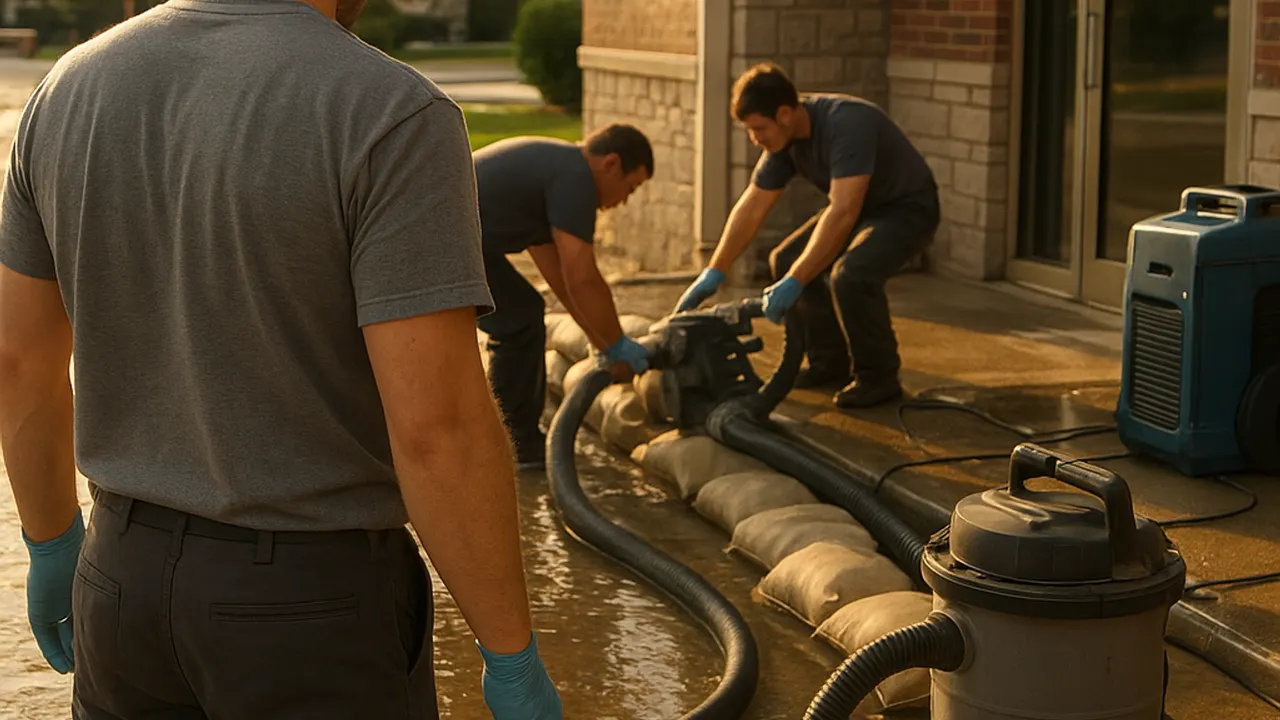
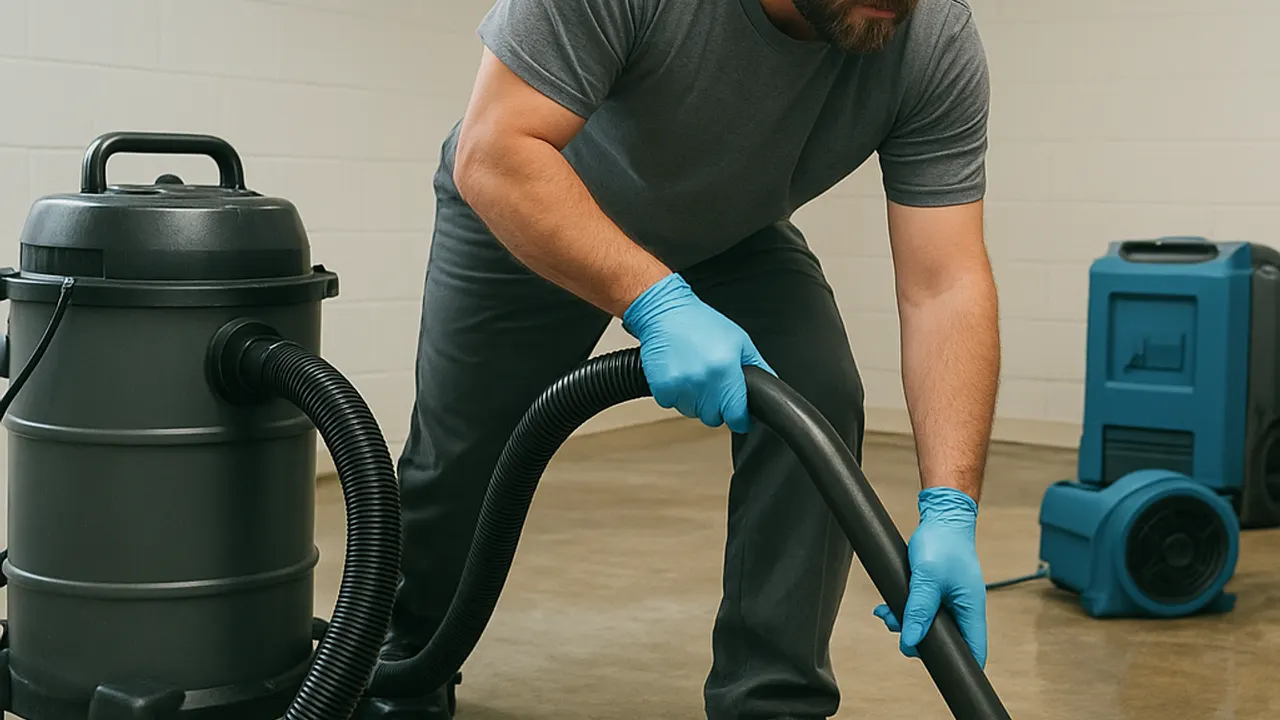
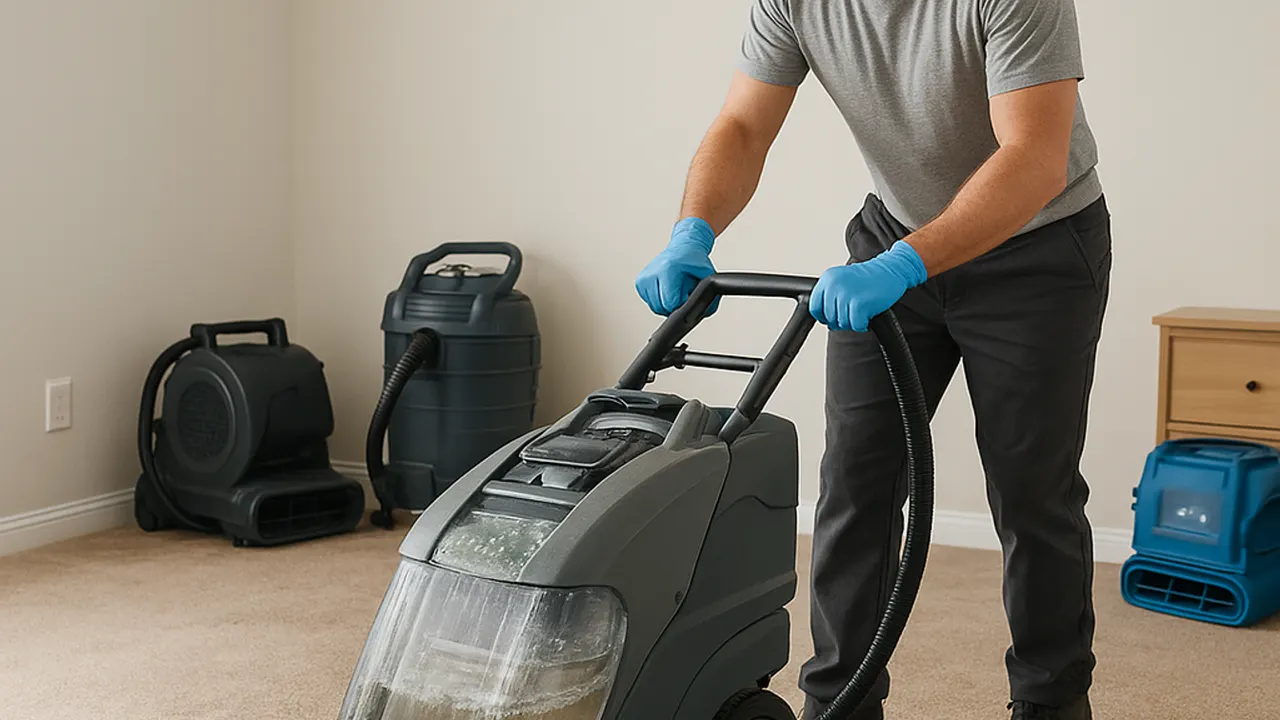
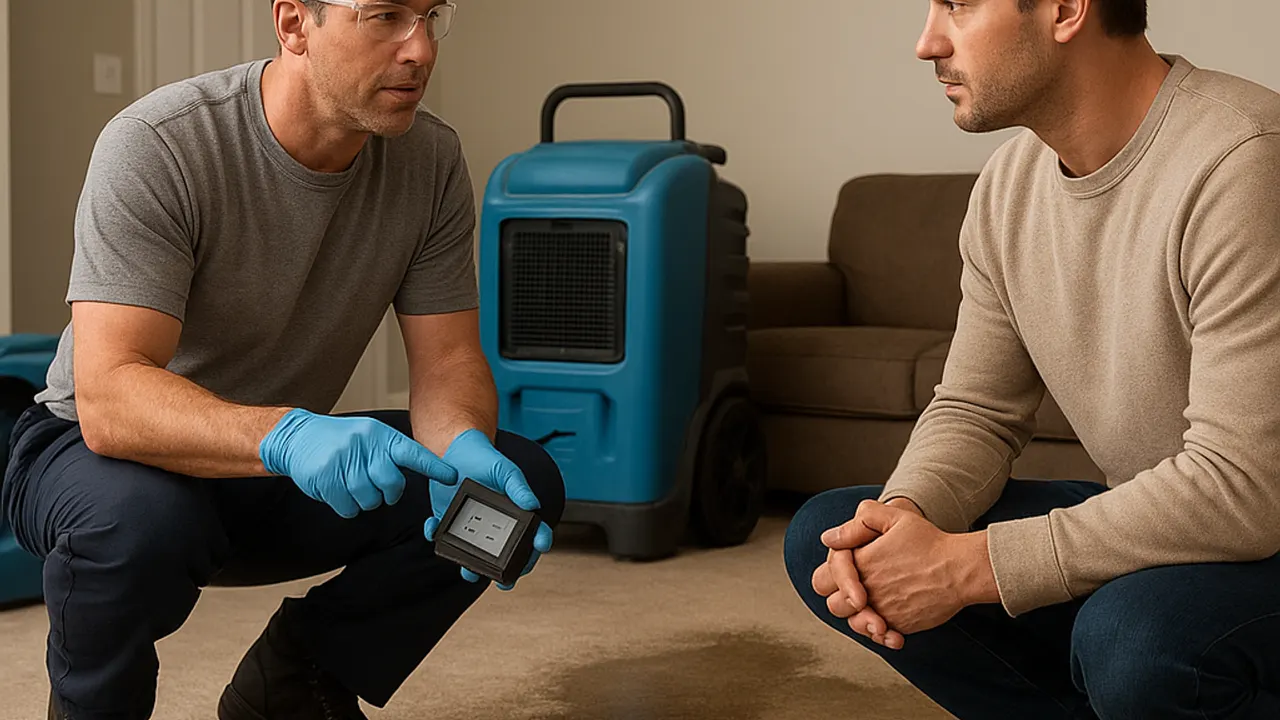
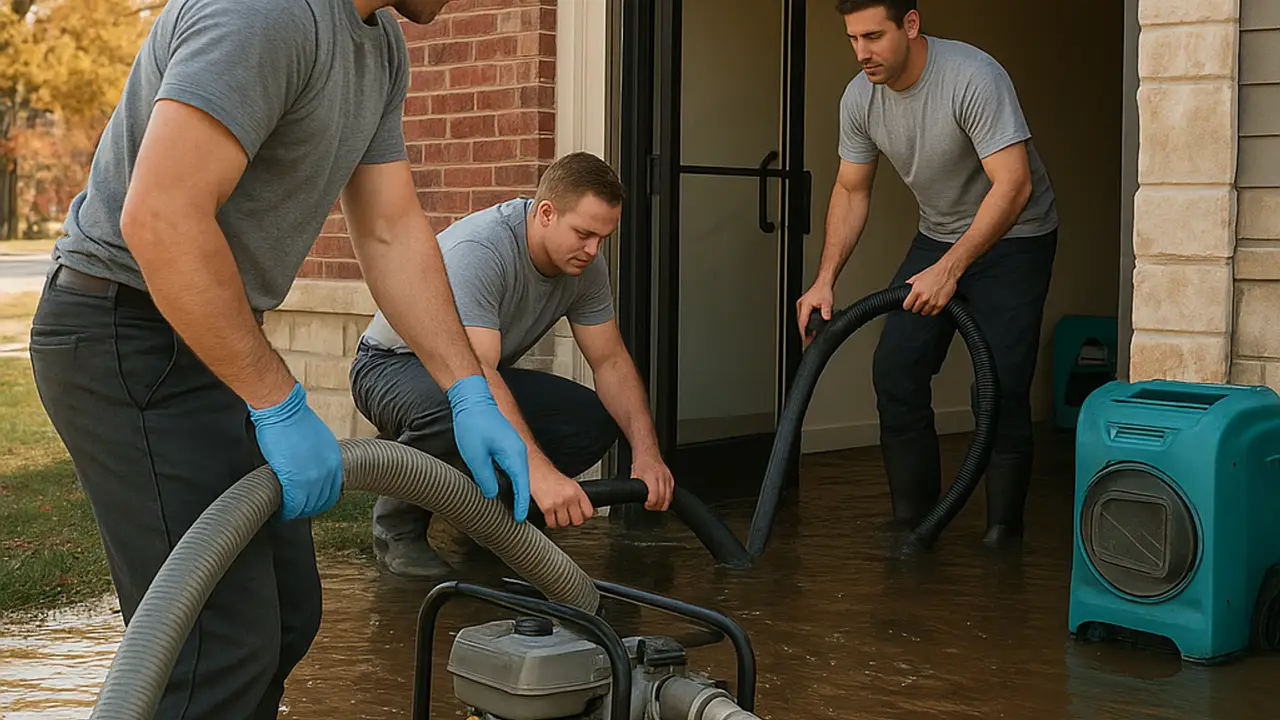
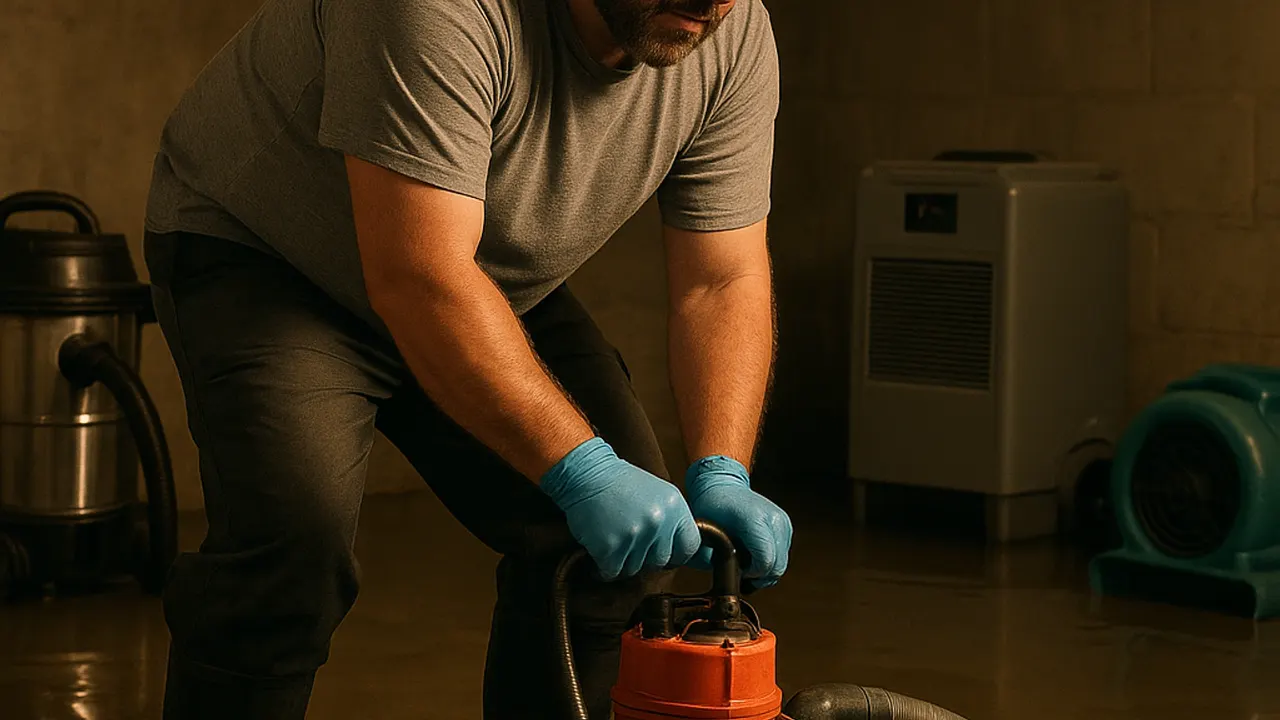
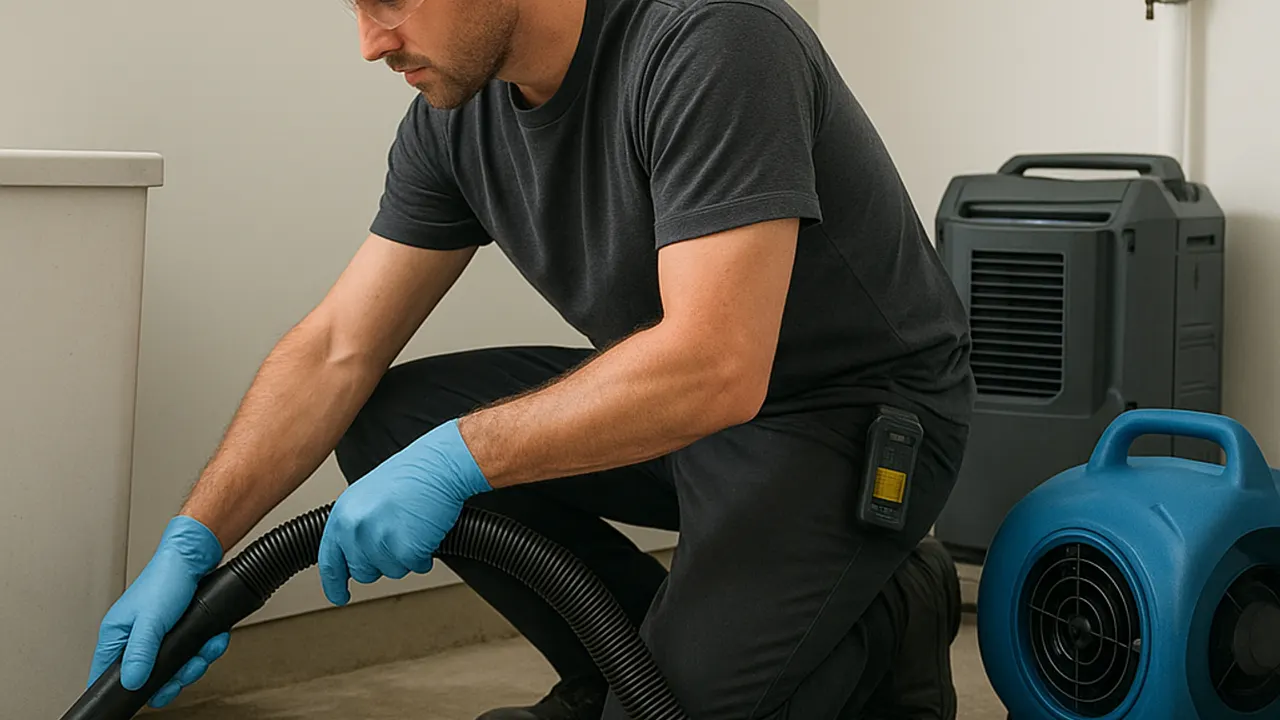
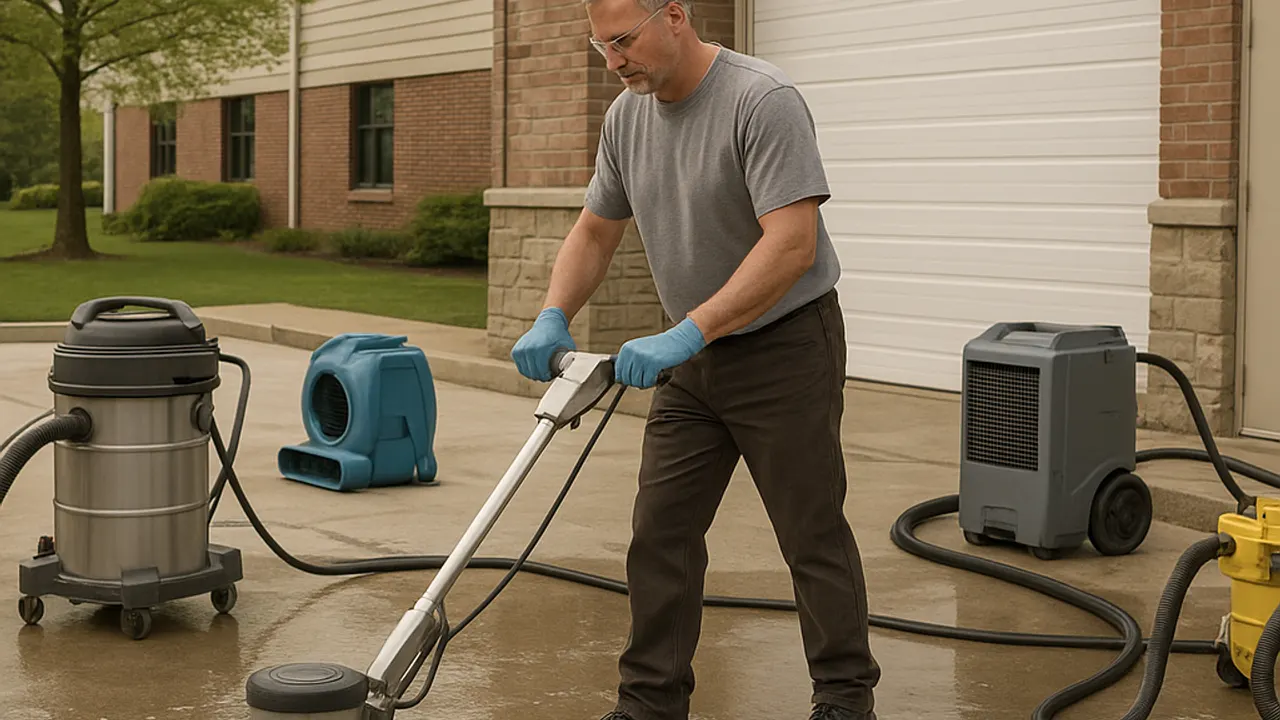
Water damage restoration Indianapolis IN helps homeowners and property managers recover after leaks, flooding, and burst pipes. We extract standing water, identify wet materials, and set up drying so damage does not keep spreading behind walls or beneath floors. Our water damage repair Indianapolis service addresses the source and affected areas, with practical next steps for your home or business.
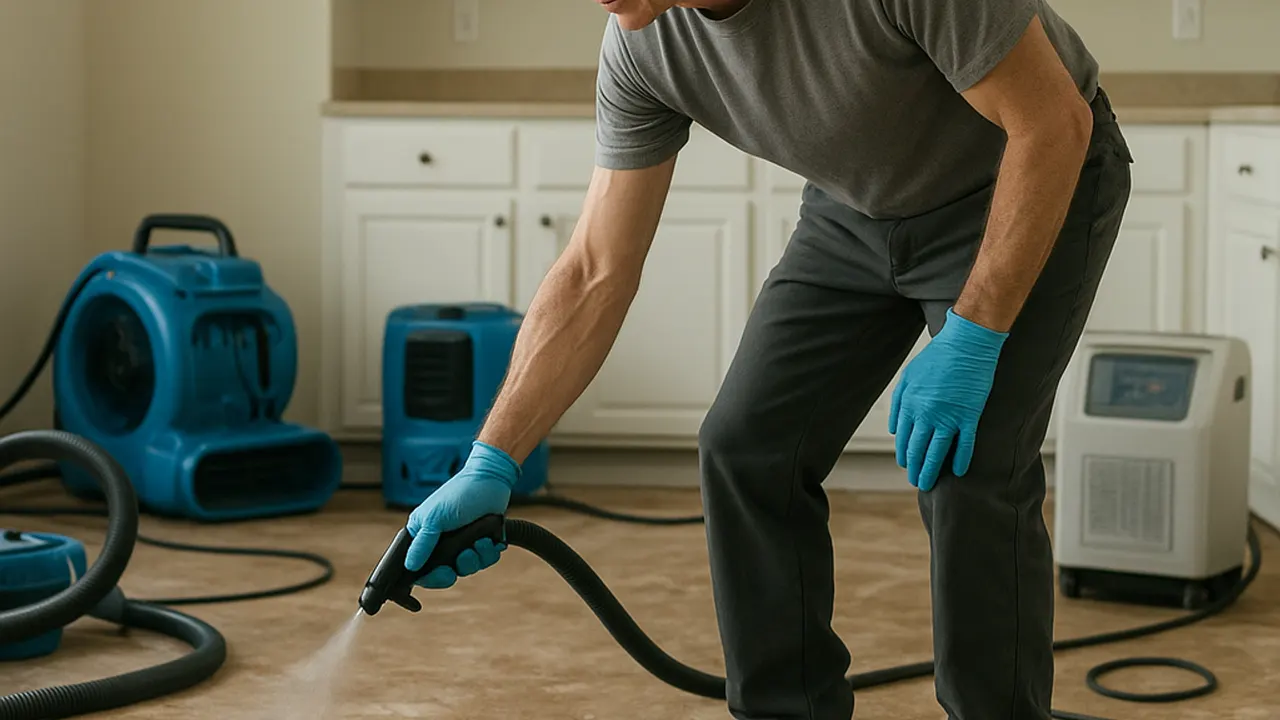
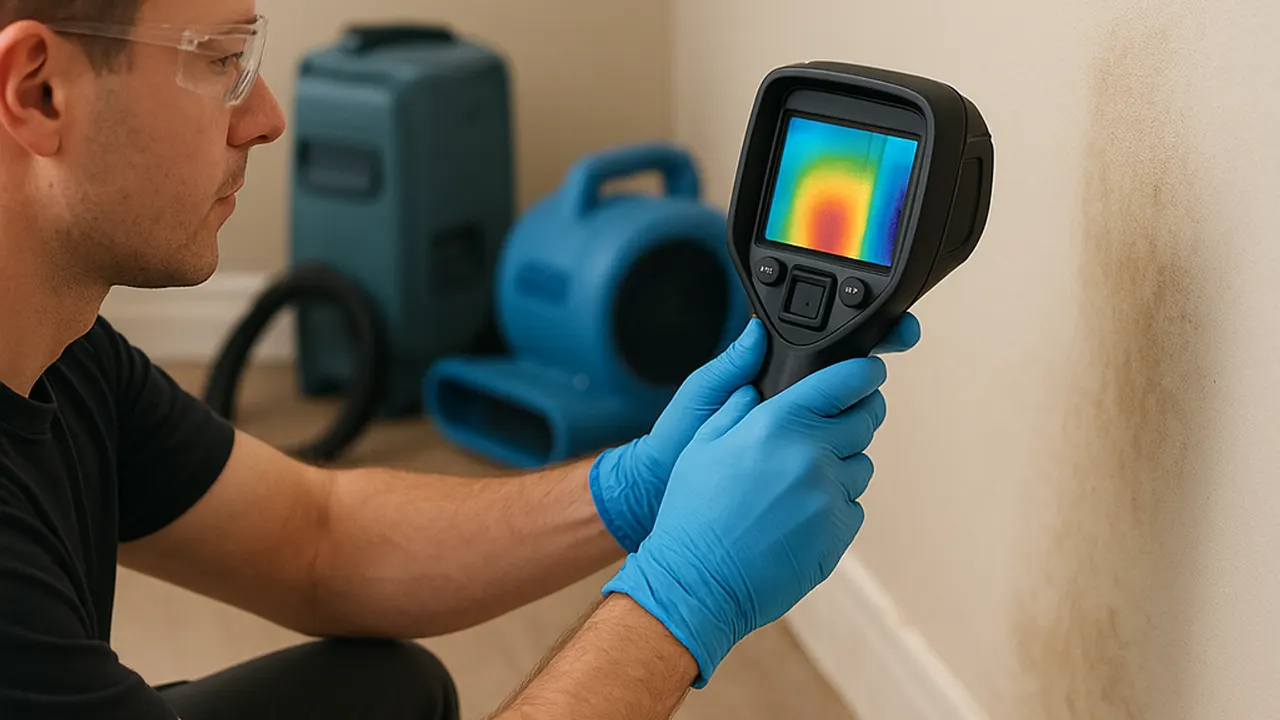
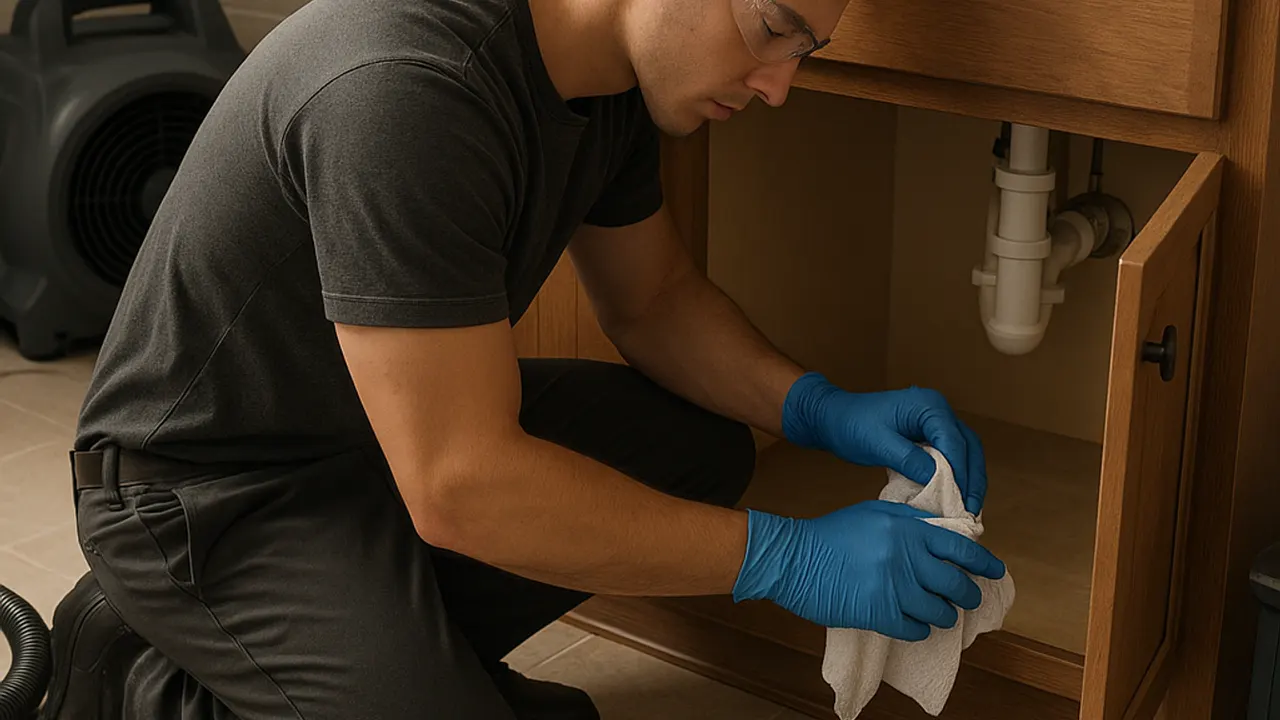
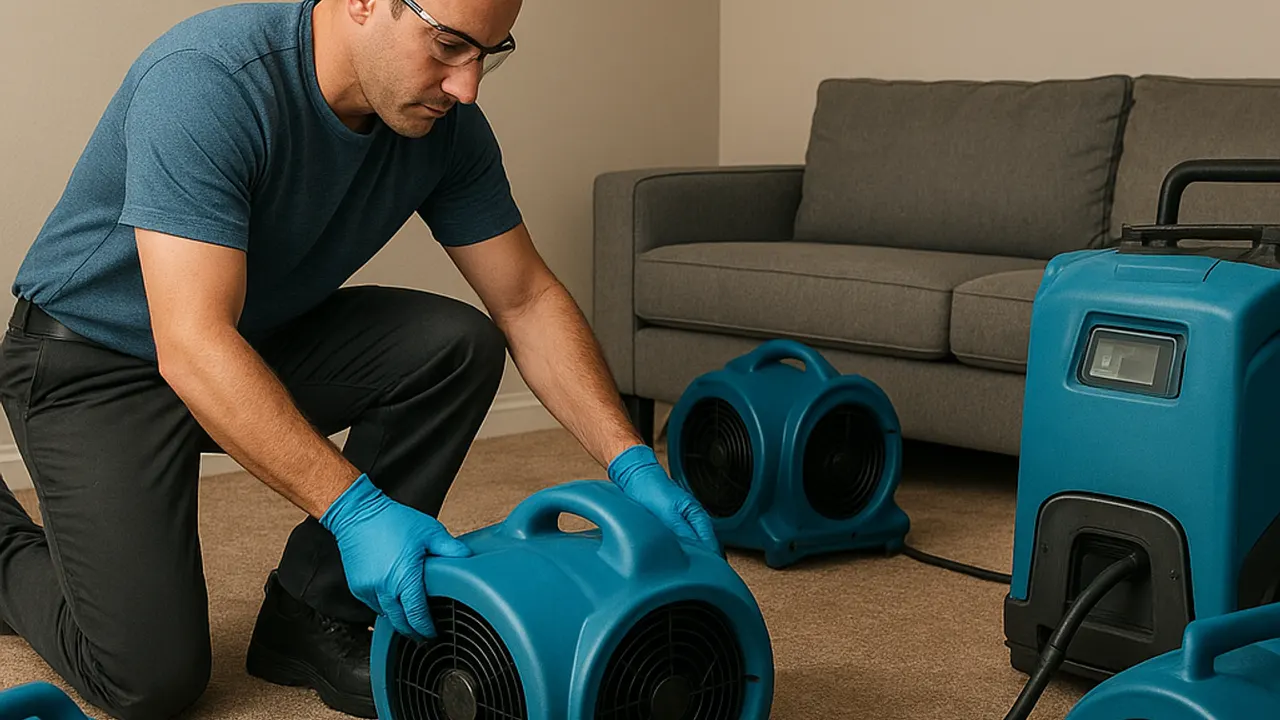
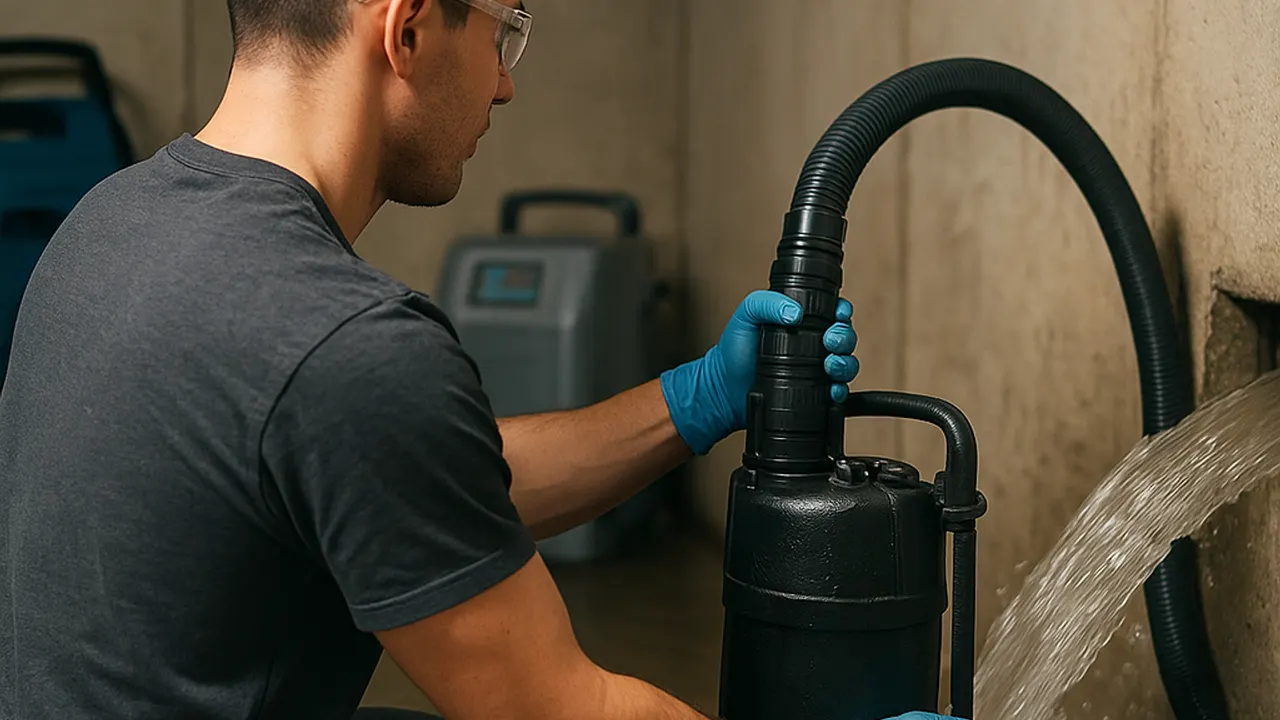
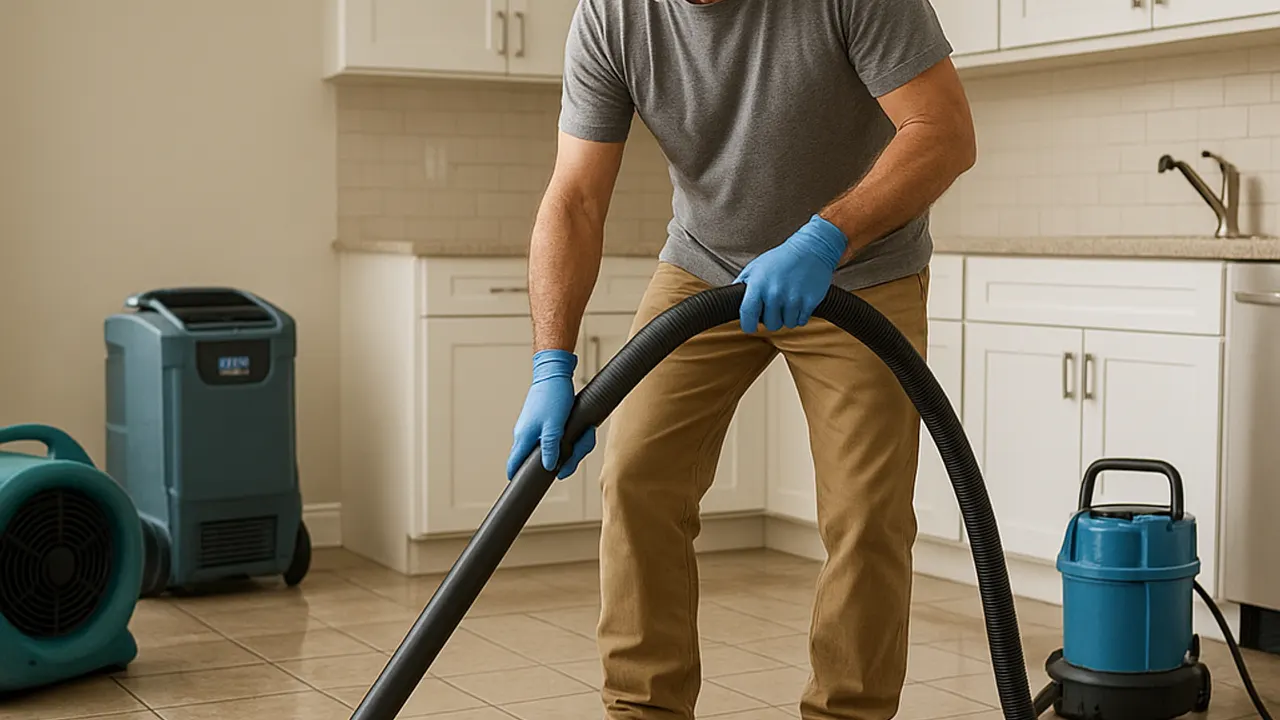
Room walkthroughWe explain affected areas as we inspect.
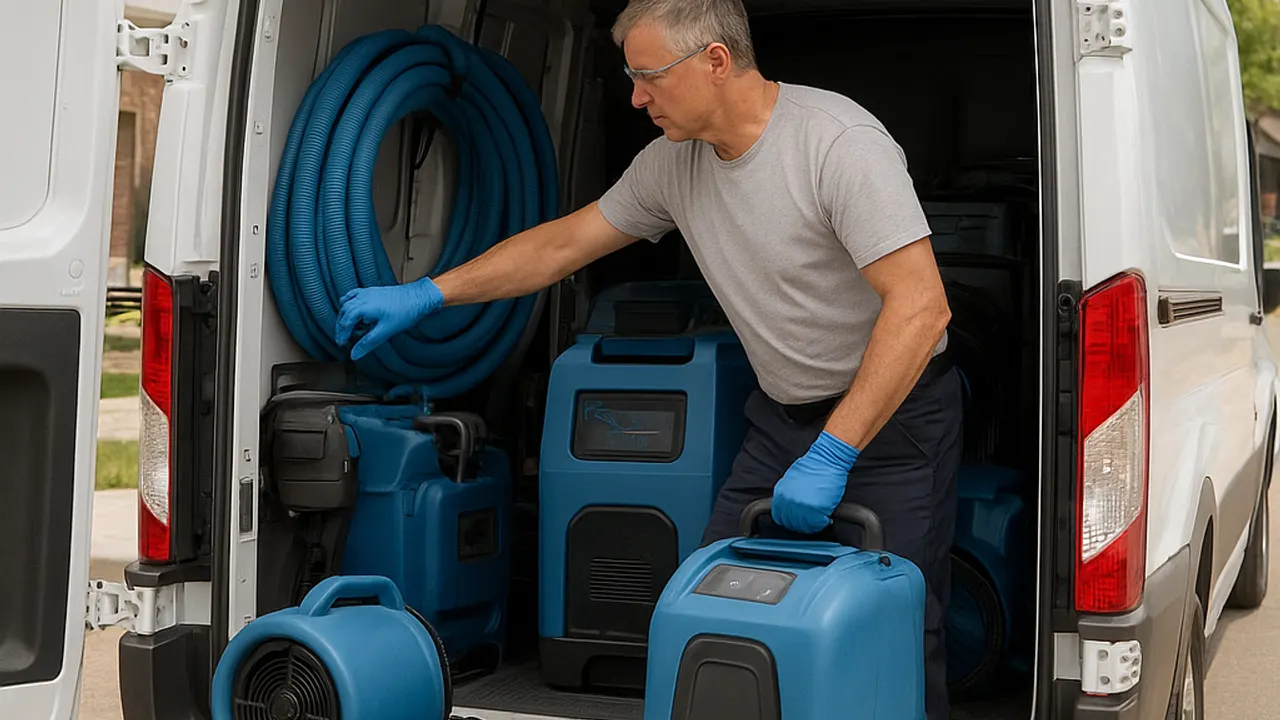
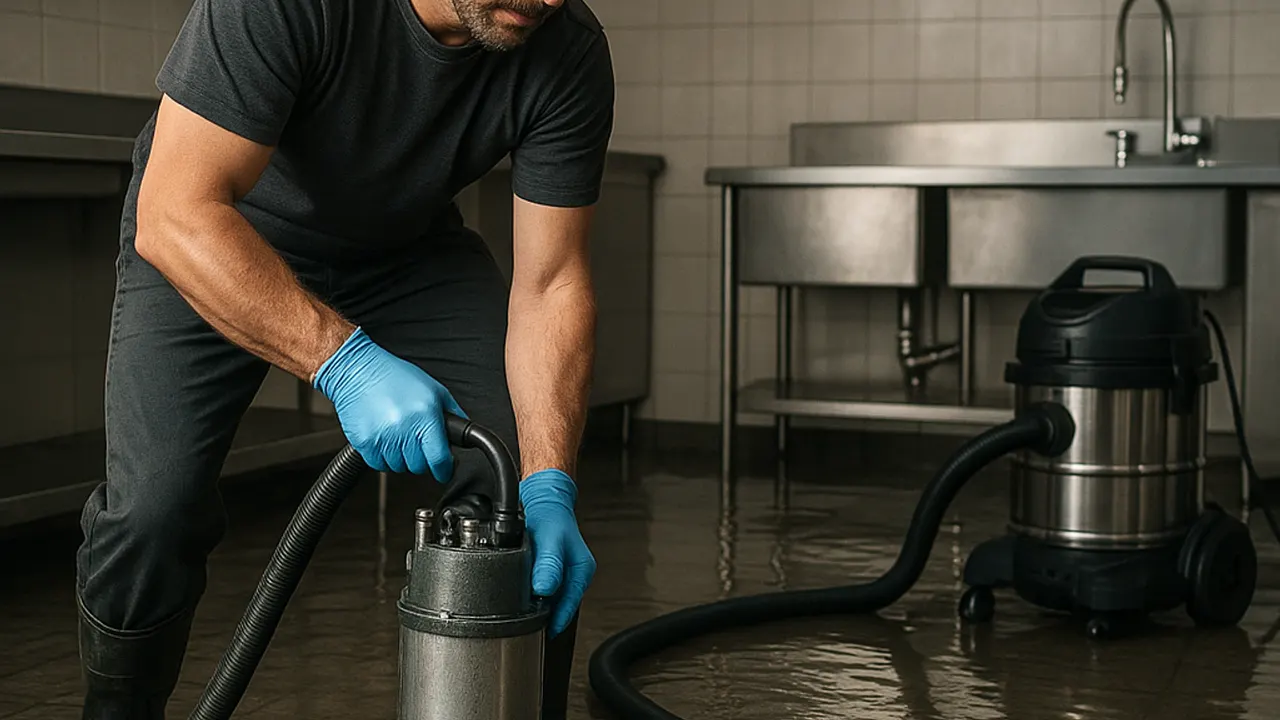
Surface protectionWe keep access paths clear.
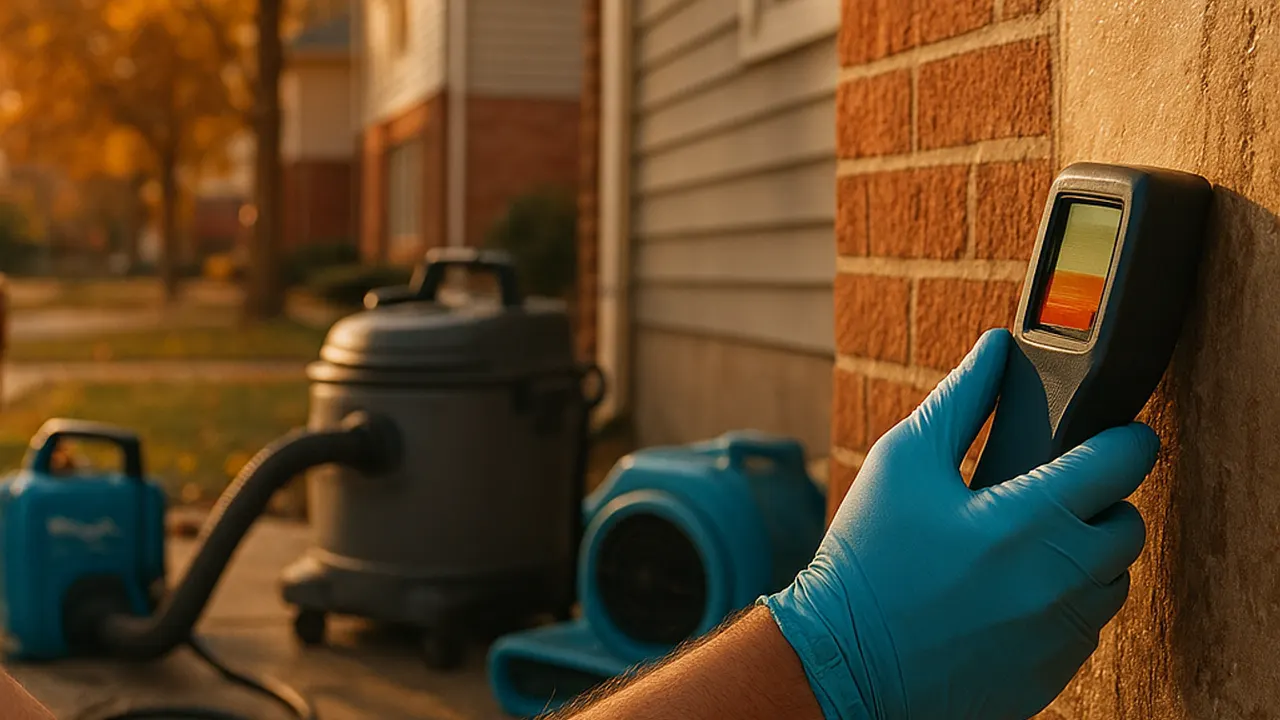
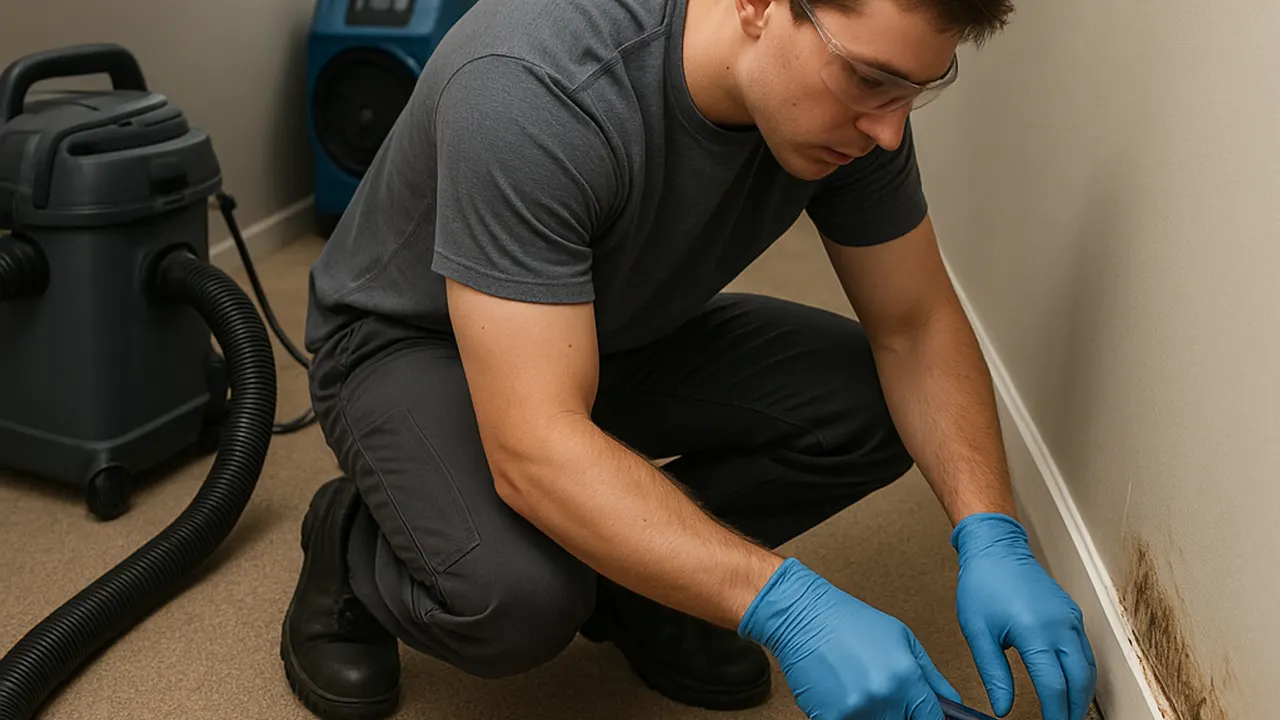
Reading recordsWe note locations and changes.
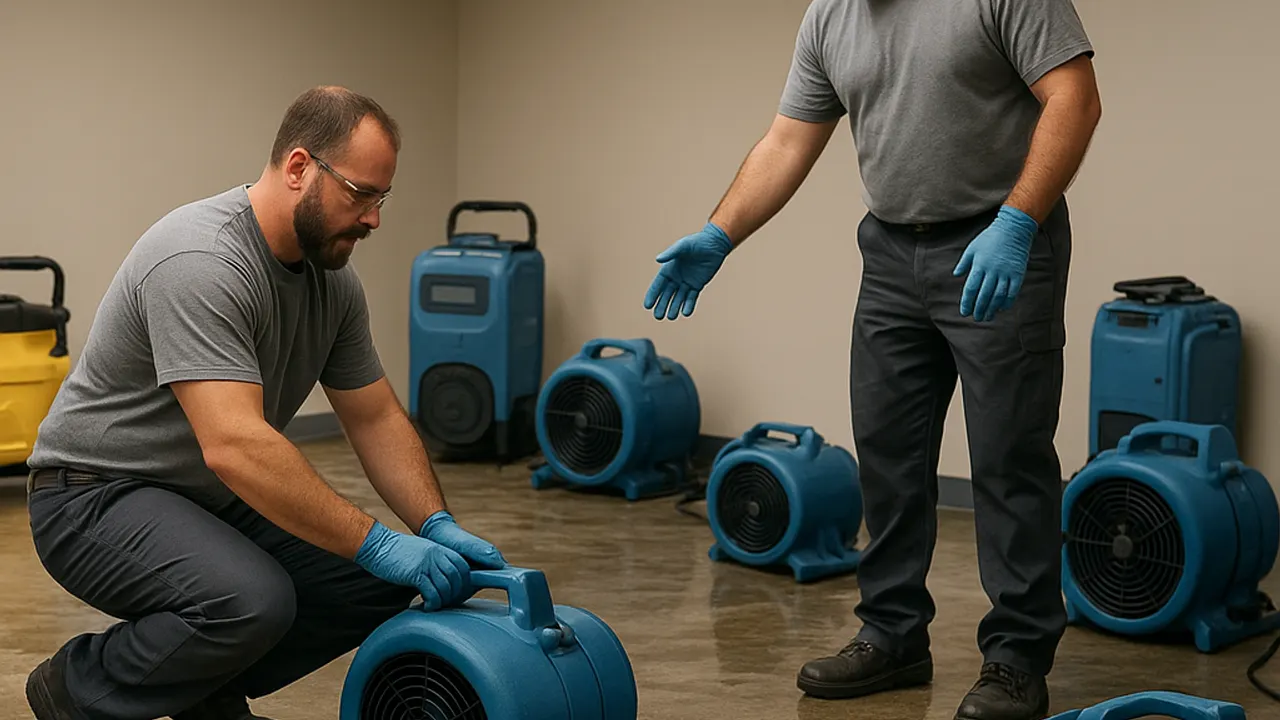
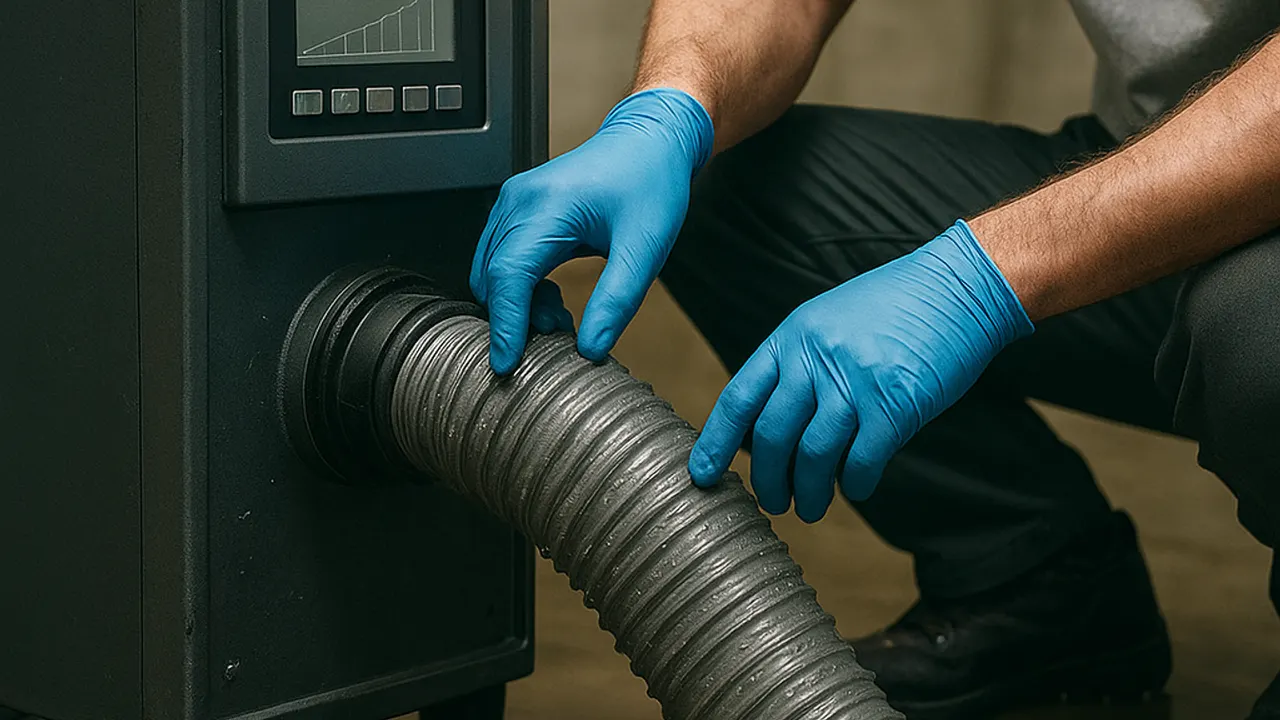
Equipment checksWe adjust airflow as conditions change.
What water damage restoration includes
Our service covers inspection, water extraction, moisture checks, drying setup, and progress documentation for affected areas. We explain whether materials can be dried or need removal, then coordinate the work around the space and water source. Plumbing repairs, reconstruction, and replacement finishes are separate trade work when required; we identify those needs so you can plan the next stage.
Source and area inspection
We inspect visible damage, ask how the loss occurred, and trace likely water paths into nearby rooms. Moisture readings help distinguish a surface stain from a wet assembly. You receive a practical explanation of what we found and which locations need monitoring.
Standing water extraction
We remove accessible water from floors, carpets, and low areas using equipment selected for the loss. Extraction reduces the water held in materials before drying begins. We also check edges and transitions where water often collects beneath flooring.
Material assessment
We assess carpet and padding, drywall, baseboards, and flooring to determine what can be dried and what requires removal. The recommendation depends on water exposure, material condition, and access. We explain the reason before disturbed materials are taken out.
Drying equipment setup
Air movers and dehumidification equipment are placed to create useful airflow and remove moisture. We consider room layout, wet surfaces, and household access when arranging equipment. Follow-up readings guide adjustments during the drying period.
Progress records
We record affected areas, moisture readings, and changes made during drying. Photos and notes help you track the work and share relevant details with a property manager or insurer. At completion, we explain which areas are ready for the next repair step.
Homes and businesses.
The approach is the same for a home and a business. What changes is the access, the schedule and who needs the paperwork.
For homes
We help homeowners and tenants address leaks, flooding, and wet finishes without losing track of what remains damp. We explain equipment placement and follow-up readings.
Basement flooding after pump failure
Leaking appliance near cabinets
Burst pipe affecting two floors
For businesses
We coordinate around occupied rooms, shared access, and property records. We identify affected areas and explain how extraction and drying fit the building's daily use.
Water heater leak in service room
Ceiling leak above an office
Rainwater entering a storefront
Water damage restoration Indianapolis IN
A plain-language look at what Water Damage Restoration involves and when it is needed.
Water damage restoration Indianapolis IN is a property recovery service that removes unwanted water, dries affected building materials, and repairs damage after leaks or flooding. We begin by locating the water source and mapping affected areas with moisture meters and, where useful, a thermal imaging camera. Extraction comes first; controlled air movement and dehumidification follow. We check drywall, baseboards, flooring, and other materials rather than relying on surface appearance alone. That sequence helps you understand what can be dried in place, what needs removal, and how the work progresses.
Indianapolis properties face basement flooding, burst pipe water damage, water heater leaks, and stormwater intrusion after heavy rain or a cold snap. Older homes in Marion County may have finished basements and layered flooring where moisture travels out of sight. Our water restoration services Indianapolis IN address the wet structure as well as visible puddles. If you are searching for emergency water damage restoration Indianapolis IN, we can help stop the spread, extract water, and establish a drying plan for the affected rooms.
Restoration removes water, dries affected materials, and verifies progress with repeat moisture checks.
What it is
A sequence of inspection, extraction, drying, and documentation for water-affected building materials.
When needed
After a leak, burst pipe, sump failure, stormwater intrusion, or other indoor flooding.
What to expect
An inspection, water removal, drying equipment, follow-up readings, and explained next steps.
What to expect at each step
Water damage restoration Indianapolis IN follows a practical sequence: inspect, extract, dry, and verify. We explain the work as it moves forward, protect the work area, and keep you informed about changes in moisture readings. A small loss may progress over several days; extensive wet materials take longer.
Inspect and map
We walk the affected rooms with you, ask when the water began, and look for the source and path of travel. The first visit usually takes 30 to 90 minutes, depending on access and the size of the affected area.
Walkthrough
Source check
Moisture map
Extract standing water
Once the source is controlled or isolated, we remove accessible water with suitable extraction equipment. A truck-mounted water extraction unit handles larger losses, while a portable extraction unit reaches confined rooms and upper floors. We work carefully around furniture and belongings, then check carpet and padding for saturation.
Water removal
Floor check
Area cleared
Remove unsalvageable material
We identify materials that cannot be dried effectively, such as saturated carpet padding or compromised sections of drywall. Before removal, we explain what is affected and why. Where dust control is needed, we use polyethylene sheeting to separate the work zone and keep debris contained.
Material review
Removal plan
Dust control
Set drying equipment
We place air movers to circulate air across wet surfaces and use a commercial dehumidifier to capture moisture. Equipment placement depends on room size, material, and readings; a typical room may need several air movers. We show you how to keep the drying area clear and what sounds or airflow to expect.
Air movement
Humidity control
Access kept
Check and document
We return to measure the same affected points and compare readings with dry reference areas. Many residential drying jobs take about three to five days, but dense materials and concealed cavities can extend the schedule. We document progress, adjust equipment, and explain when the structure is ready for repair or normal use.
Repeat readings
Progress notes
Next steps
Tools and drying methods
Move across a circle, or focus it and press Enter, for an illustrative thermal view of the photograph.
Truck-mounted water extraction unit
High-capacity extraction helps remove large volumes from accessible floors and carpets. We use it when the loss size and site access make truck-mounted equipment practical.
Portable extraction unit
A portable unit reaches upper floors, tight hallways, and rooms without direct truck access. It removes water from localized losses and supports a controlled move into drying.
Moisture meter
We use a moisture meter to compare affected materials with dry reference points. Repeat readings help show whether drywall, wood, or flooring is moving toward a dry condition.
Air mover
Air movers direct airflow across wet surfaces and exposed materials. Placement is adjusted to the room layout so air reaches the affected area without blocking necessary access.
Commercial dehumidifier
A commercial dehumidifier removes moisture from the air as wet materials release it. We use readings and room conditions to guide its placement and continued operation.
Thermal views are illustrative, generated from the photographs.
Methods
ANSI/IICRC S500-based assessment
We use the ANSI/IICRC S500 Standard for Professional Water Damage Restoration as a reference for inspection, water removal, drying, and documentation. The conditions at your property still guide the actual work. We identify affected materials, select suitable methods, and keep records as the job progresses.
Moisture mapping
We take readings across affected and comparison locations instead of relying on a single spot. Mapping helps show how far water traveled and where follow-up checks are needed. As readings change, we adjust equipment or discuss material removal when drying in place is not appropriate.
Controlled structural drying
We combine directed airflow with dehumidification to support moisture release from building materials. Equipment placement responds to room shape, material type, and readings. The team checks progress and adjusts the setup rather than assuming every room will dry at the same rate.
Contained material removal
When saturated drywall or padding cannot be dried effectively, we explain the affected section and use containment practices suited to the work area. Polyethylene sheeting can separate the work zone and limit dust migration. Removed materials are handled as part of the agreed cleanup sequence.
When restoration is needed
Frozen pipe
A frozen supply line breaks overnight in an Irvington home and water reaches two floors.
We begin by confirming the water source is controlled, then inspect the rooms below and adjacent to the break. We extract visible water, check ceilings and flooring for hidden moisture, and explain which materials need monitoring. Drying equipment is set according to the affected surfaces and access.
Outcome: You get a documented drying plan for both floors, with affected materials identified before repair work starts.
Sump failure
Heavy autumn rain overwhelms a sump pump in a finished Southport-area basement.
We remove standing water and assess carpet, padding, lower drywall, and stored items. Moisture readings show how far the water traveled, while air movers and dehumidification support controlled drying. We document materials that need removal and areas that can remain in place.
Outcome: The basement moves from pooled water to a measured drying process, with clear next steps for the pump and finishes.
Heater leak
A commercial water heater leaks before a holiday and wets a service-room floor.
We extract water from the affected floor and inspect adjacent rooms for spread. The team coordinates equipment placement to leave a safe route through the property and records moisture readings. If water reached stored materials or wall bases, we explain the cleanup needed before normal use resumes.
Outcome: The property manager receives a clear record of the affected area and a practical sequence for drying and repairs.
Storm entry
Rainwater pushes under a doorway near Downtown Indianapolis after a strong storm.
We remove water from the entry and nearby flooring, then check seams and baseboards where water can travel out of view. If sediment remains, we identify affected surfaces for cleaning. We also document the entry point so you can coordinate exterior weatherproofing.
Outcome: The indoor water is addressed and the entry route is documented for follow-up building repairs.
IrvingtonBroad RippleDowntown Indianapolis
How restoration works in Indianapolis
Water damage repair Indianapolis properties need can vary with building age, basement finishes, and the path water takes through a structure. In older neighborhoods, layered flooring and enclosed wall cavities can hide moisture beyond a visible stain. We inspect adjacent rooms and lower wall areas before deciding where drying equipment belongs.
Fall and winter bring heavy rain, freezing conditions, and burst-pipe risks; spring storms can push water through low openings or overwhelm a sump pump. Our water mitigation and drying Indianapolis work accounts for those patterns without assuming every property has the same cause. We document conditions and follow applicable safety and building requirements for the task.
For water mitigation and structural drying in Indianapolis, we explain what we can access, what readings show, and which repairs need another trade. That keeps the cleanup plan tied to the actual property rather than a generic equipment setup.
Irvington: Older homes can have finished basements and layered flooring; we check beyond visible stains for moisture at lower walls and transitions.
Broad Ripple: Rain and plumbing leaks can affect lower-level rooms and adjacent flooring; we map the affected area before placing drying equipment.
Downtown Indianapolis: Multi-unit and commercial buildings need careful access planning, clear work zones, and records that property managers can use for coordination.
Fountain Square: A leak in an older property can travel through connected rooms; we inspect nearby surfaces instead of treating only the first wet spot.
Freeze-thaw weather raises the risk of burst pipes in exposed areas.: A break can send water through ceilings and wall cavities before anyone sees a puddle. We trace the likely route, inspect floors below, and check wet materials before setting the drying plan.
Heavy rain can overwhelm basement drainage and sump systems.: Water may enter at a low opening or rise across a basement floor, affecting carpet and stored contents. We extract standing water, assess residue, and check lower walls and flooring for spread.
We walk through the affected rooms and explain what we find.
We protect access routes and set up extraction or drying equipment.
We check readings, document progress, and explain the next step.
From problem to finished result.
IllustrativeThe thermal view is generated from the photograph. It is not a measurement. Drag the handle, or use the arrow keys once it is focused.
Basement after sump failure
Before: A sump pump failure left about 2 inches of water across a finished basement. Carpet and padding were saturated, lower drywall showed staining, and stored boxes sat directly on the floor. The visible water covered roughly 350 square feet, but moisture checks were needed to find how far it had traveled beyond the open area.
After: We extracted the standing water, removed padding that could not be dried effectively, and positioned air movers with dehumidification. Over four days, readings at the affected wall and floor locations moved toward the dry reference areas. The homeowner received photos and a record of which surfaces were ready for finish repairs.
Test the sump pump before forecast heavy rain and keep its discharge path clear. Store boxes on shelving rather than directly on basement flooring. Check the pump area after storms and address unusual cycling or failure promptly.
Kitchen supply-line leak
Before: A failed line beneath a kitchen sink ran unnoticed and soaked the cabinet base, nearby laminate flooring, and a section of drywall. The surface looked damp near the sink, while moisture readings showed spread toward the adjoining room. The occupants needed to know whether the floor could dry without removing a larger area.
After: We extracted water from the affected floor, checked the cabinet and wall base, and documented readings across the kitchen and adjoining room. Drying equipment ran for three days with follow-up checks. The wet cabinet section was identified for repair, while unaffected flooring remained in place.
Inspect flexible supply connections and cabinet bases periodically for drips or swelling. Keep the area beneath the sink clear enough to spot a leak early. If flooring edges lift or darken, check the source before covering the damage.
Stormwater at entry
Before: Heavy rain pushed water under a rear doorway and across a small ground-floor room. Fine debris remained near the threshold, and water reached the edge of a rug and two baseboards. The entry looked dry by the next morning, but dampness remained beneath the rug and along the wall-floor joint.
After: We removed the rug for assessment, extracted water from the floor, and checked the baseboards and adjacent room. Targeted airflow and dehumidification ran for two days, with readings recorded at repeat points. The entry route was documented so the owner could arrange an exterior repair.
Keep door thresholds and nearby drainage paths clear before seasonal storms. Check for gaps at the entry and watch for recurring dampness after rain. A repeated water path needs an exterior correction as well as indoor cleanup.
How to find a water damage restoration contractor Indianapolis
Water left in a building can spread into cavities, damage finishes, and create conditions for secondary mold growth. We help you move from a visible leak or flood to measured extraction and drying. Quick action matters, but the work still needs to match the materials and the source of water.
Wet basementA basement leak leaves water across finished flooring.Water can move beneath carpet and laminate, soak padding, and reach lower drywall before the surface looks severely damaged. We extract standing water and inspect flooring edges, baseboards, and adjacent walls for moisture. Our readings help identify where drying equipment should go and whether carpet padding or other materials need removal. You get a clear account of the affected area and a monitored path toward dry conditions.
Burst pipeA burst pipe wets walls and insulation overnight.Water trapped behind drywall can remain after visible puddles are gone, delaying repairs and increasing the chance of material deterioration. After the pipe source is controlled, we map moisture around the break and check nearby rooms. We discuss whether a limited opening is needed to reach wet insulation, then extract and dry accessible materials. Documentation helps connect the cleanup stage with plumbing and repair work.
Stormwater entryStormwater enters through a basement opening.Rainwater can bring sediment into a finished room and soak stored belongings, carpet, and lower wall materials. We remove pooled water, identify the path of entry, and assess the materials that got wet. Where debris or residue is present, we address affected surfaces as part of the cleanup plan. You can then arrange the exterior repair needed to prevent repeat intrusion.
Heater leakA water heater leak spreads under nearby flooring.The leak may travel under cabinets or flooring and leave damp subflooring even after the appliance area appears dry. We extract water around the appliance, inspect the floor perimeter, and take readings in nearby materials. Once the leak is stopped, drying equipment is placed to address wet surfaces and the room's air. We share findings so the appliance and finish repairs can be coordinated.
Practical recovery, measured results
Measured extraction and drying help you understand what is wet and what happens next.
Water removed promptly
Standing water continues to soak carpet, padding, drywall, and stored belongings. We select extraction equipment for the area and water volume, then clear accessible water before setting up drying. For a localized room, extraction can take a few hours; larger basement flooding needs more time and staged work.
Hidden moisture identified
A dry-looking wall can still hold water in its cavity. We take moisture readings at affected and comparison areas, then revisit those points during drying. This helps us catch damp insulation or wet drywall before secondary mold growth becomes a larger concern.
Drying matched to materials
Hardwood, laminate, carpet, and plaster respond differently to moisture. We position air movers to direct airflow across wet surfaces and use a commercial dehumidifier to remove moisture from the air. The setup is adjusted as readings change, not left untouched for days.
Clear next steps
You need to know what can be salvaged and what requires removal. We explain the findings, photograph affected areas, and record moisture readings for your records. If repairs follow drying, you can use that documentation to coordinate the next stage and discuss insurance paperwork.
What you receive
Clear records you can keep and share.
Photo record
Images of affected areas and visible conditions.
Moisture log
Readings from documented locations during drying.
Work summary
A record of extraction and drying actions.
Area notes
Observed materials and recommended next steps.
Water removal versus drying
Extraction clears liquid water; structural drying addresses moisture held in building materials and indoor air.
Extraction
Removes accessible standing water from surfaces and materials.
Reduces pooled water
Precedes drying setup
Uses suitable extraction equipment
Structural drying
Uses airflow and dehumidification to dry affected materials.
Targets wet surfaces
Requires follow-up readings
Equipment placement can change
Material removal
Addresses materials that cannot be dried effectively in place.
Based on observed condition
May involve drywall or padding
Prepares area for repairs
Materials we assess
Carpet
Padding
Drywall
Baseboards
Hardwood
Laminate
Insulation
Subfloor
Service ZIP codes.
A list like this tells people straight away whether you cover their street. Not listed? Call and ask: it only takes a minute.
Water damage restoration includes inspection, water extraction, drying, moisture checks, and documentation of affected areas. We first identify the source and map where water traveled, then remove standing water and set drying equipment. Damaged materials that cannot be dried effectively are discussed before removal. The job may also include cleaning affected surfaces, but reconstruction, plumbing repairs, and replacement finishes are separate tasks when needed.
Cost depends on water volume, affected square footage, material removal, equipment days, and access. We assess the actual loss before discussing pricing, and you receive a clear explanation of the work. Emergency water damage restoration Indianapolis IN involving contaminated water or concealed damage requires additional precautions.
Begin water restoration as soon as the leak is controlled, ideally within 24 hours of discovery. Prompt extraction limits how long carpet, drywall, and wood remain wet, reducing the chance of swelling and secondary mold growth. If water is near electrical equipment, avoid the area and contact the appropriate utility or emergency service first. We can inspect the damage, remove standing water, and start drying once the site is safe.
Yes, a water damage restoration company can provide dated photos, affected-area notes, moisture readings, and equipment records to support your claim file. We document the observed damage and work performed; your insurer decides coverage and payment. Keep receipts and any plumber's report, and take your own photos before items are moved when it is safe. Our records help you explain the drying and removal work clearly.
Water damage restoration Indianapolis IN starts with finding the source and stopping water from spreading. Call Water Pump Masters at 3177928700 to describe the leak or flooding and arrange the next step. We document what we find and explain the work plainly.
Call 317-792-8700 to describe a leak, flooded basement, or water-soaked floor and get connected with an independent service company. Share your Indianapolis neighborhood, the water source, and whether the water is still spreading. Hours vary by company, so call to discuss urgent needs and the next practical step.