Standing water removal Indianapolis IN for flooded spaces
Standing water removal Indianapolis IN gets unwanted water out of basements, living spaces, and commercial buildings before it spreads into more materials. If a sump pump fails, a pipe bursts, or stormwater pushes inside, our team assesses the affected area, pumps out accessible water, and checks for moisture left behind. We provide Indianapolis standing water removal service for homeowners, tenants, and property managers who need a clear next step.
Protected pathwaysWe plan equipment routes carefully.
Measured checksWe compare affected and dry areas.
Clear handoffWe explain observed next steps.
What standing water removal includes
Our service covers assessment of accessible pooled water, appropriate pumping or extraction, and checks of reachable affected materials. We explain what the extraction addresses and what may require separate drying, cleaning, or repair. The water source must be stopped for lasting results; plumbing repair and rebuilding are not the same task as removing water. You receive a clear account of the areas we treated and the next steps we recommend.
Initial site review
We identify where water is pooled, estimate its depth and footprint, and ask how it entered. The review includes access and visible safety concerns, allowing us to select a practical extraction method before equipment is set up.
Water pumping and extraction
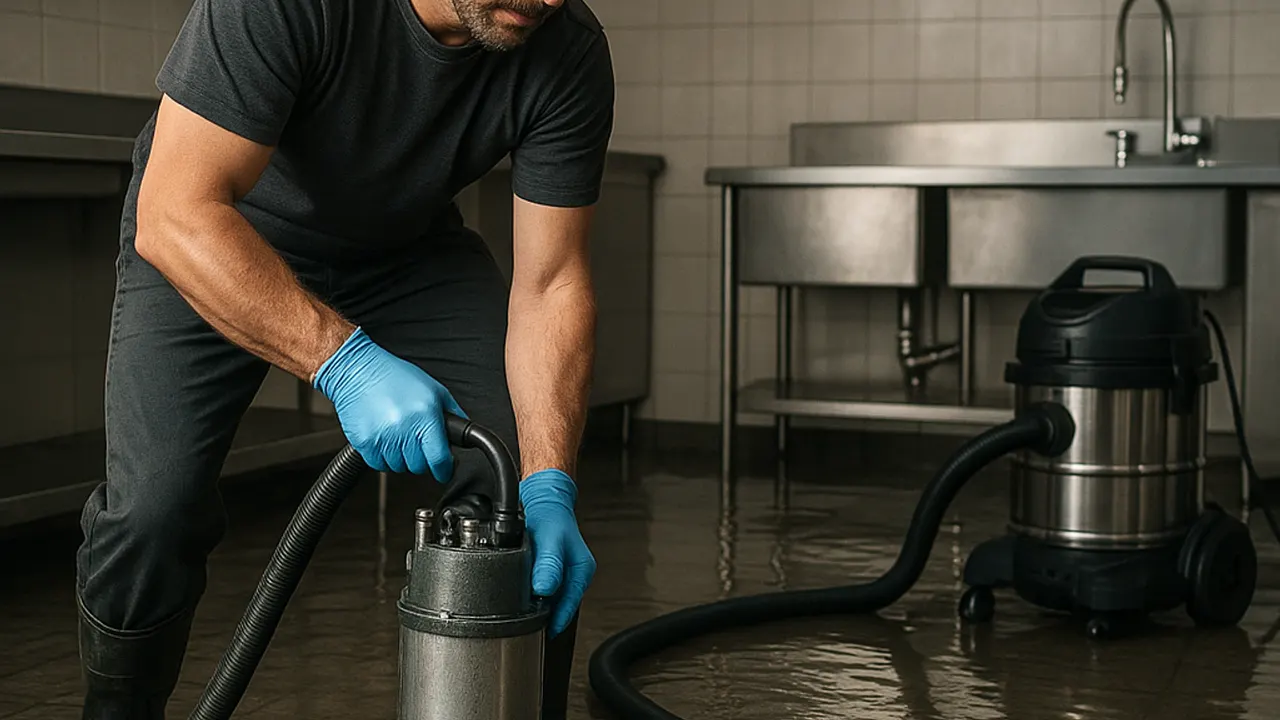
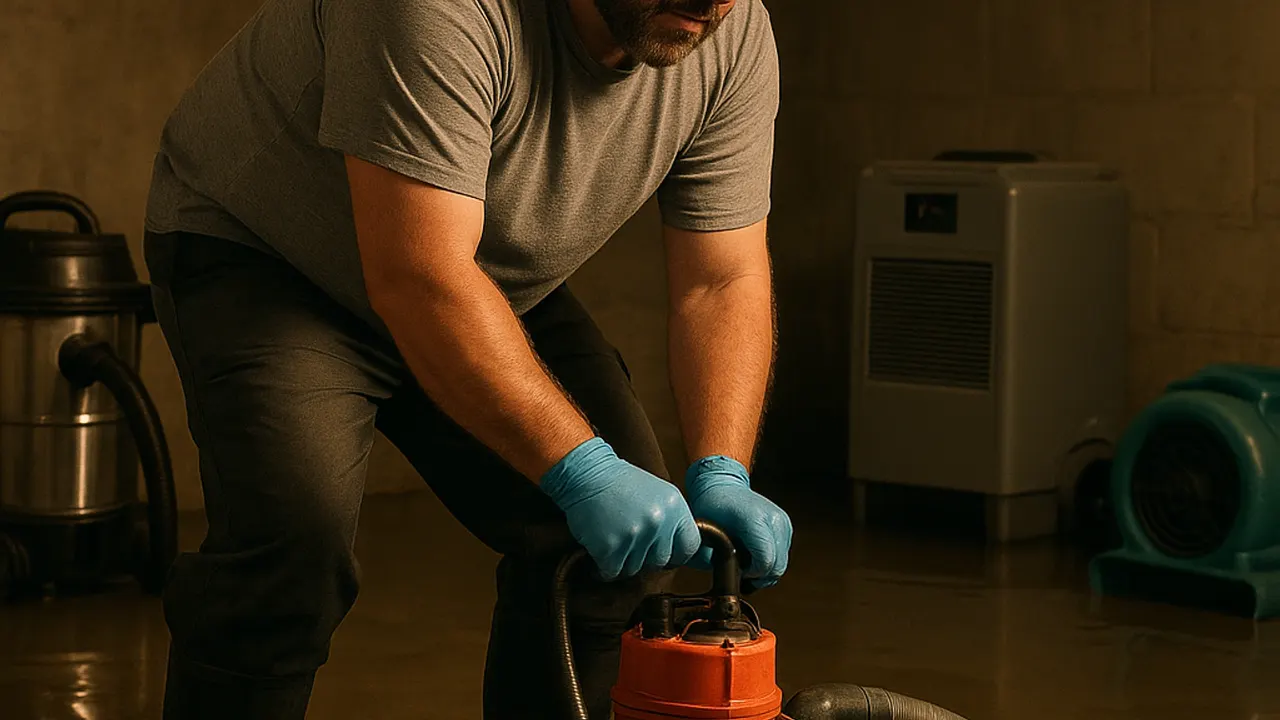
We use pumps or extraction equipment suited to the water volume and surface. The work targets accessible standing water on floors and low areas, including basements and utility spaces where water gathers.
Affected material checks
We inspect reachable flooring, carpet edges, and lower wall materials after visible water is removed. Moisture readings help distinguish a dry surface from materials that remain damp beneath or behind the finish.
Drying recommendations
We explain whether air movement and dehumidification are appropriate and which areas need monitoring. Drying time varies by material and saturation; you receive practical guidance based on the conditions found in your property.
Work area documentation
We record the treated areas and observations from the visit so you can follow the response. If water affected multiple rooms, notes help keep the extraction and drying sequence clear for everyone involved.
Homes and businesses.
The approach is the same for a home and a business. What changes is the access, the schedule and who needs the paperwork.
For homes
A leak or flooded basement can disrupt rooms, belongings, and daily routines. We check accessible surfaces and explain what needs extraction or follow-up drying.
Basement pooling after pump failure
Water beneath carpet edges
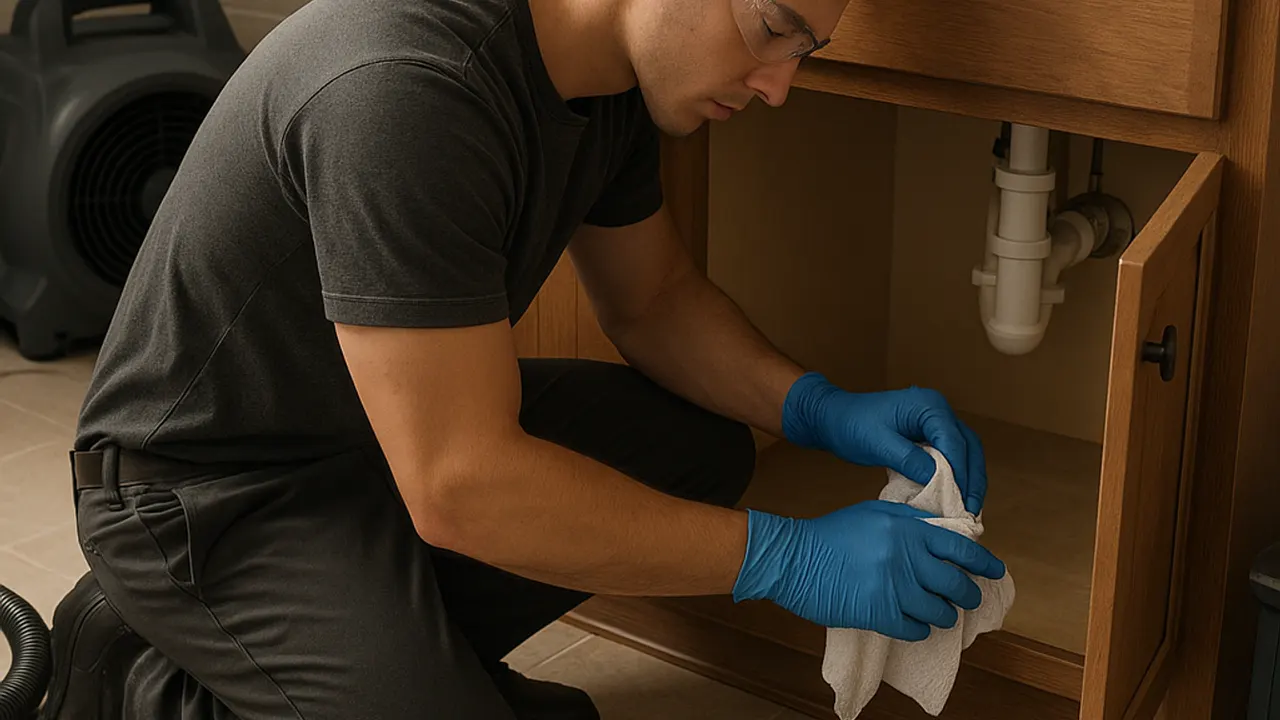
Leak near appliances or cabinets
For businesses
Water in a business can block rooms, stock, or customer access. We review the affected footprint and plan equipment placement around operations and contents.
Water in storage rooms
Wet flooring near entrances
Leak in a utility area
Standing water removal Indianapolis IN explained
A plain-language look at what Standing Water Removal involves and when it is needed.
Standing water removal Indianapolis IN is a water mitigation service that extracts pooled water from buildings after leaks, flooding, or drainage failures. We identify the water source when it is accessible, choose pumping or extraction equipment for the depth and surface, and remove water from floors and reachable low points. After extraction, we check affected materials such as carpet, hardwood flooring, drywall, and baseboards for retained moisture. The goal is not simply to make a puddle disappear; it is to reduce saturation and establish what drying or repair work comes next.
Indianapolis properties face basement flooding after heavy rain, burst pipe water damage during freezing weather, and water heater leaks that go unnoticed until a floor is soaked. Older basements and finished lower levels need careful attention because water can move beneath carpet padding or behind trim. We serve Marion County and nearby neighborhoods with water pooling cleanup Indianapolis IN, using a site inspection to determine the affected footprint. If you need emergency standing water removal Indianapolis IN, call as soon as it is safe to enter.
Extraction removes pooled water; moisture checks help show what remains wet.
What it is
Pumping and extracting pooled water from floors and other accessible low areas.
When needed
After a leak, flood, sump failure, or rainwater intrusion leaves water inside.
What to expect
A site review, equipment setup, water removal, material checks, and next-step discussion.
What happens during a visit
Standing water removal Indianapolis IN begins with a site review, not a pump placed at random. We ask what happened, locate accessible water, and explain the work sequence. A straightforward room often needs a few hours of extraction, while a larger loss with saturated materials requires staged pumping, drying, and follow-up checks.
Assess the area
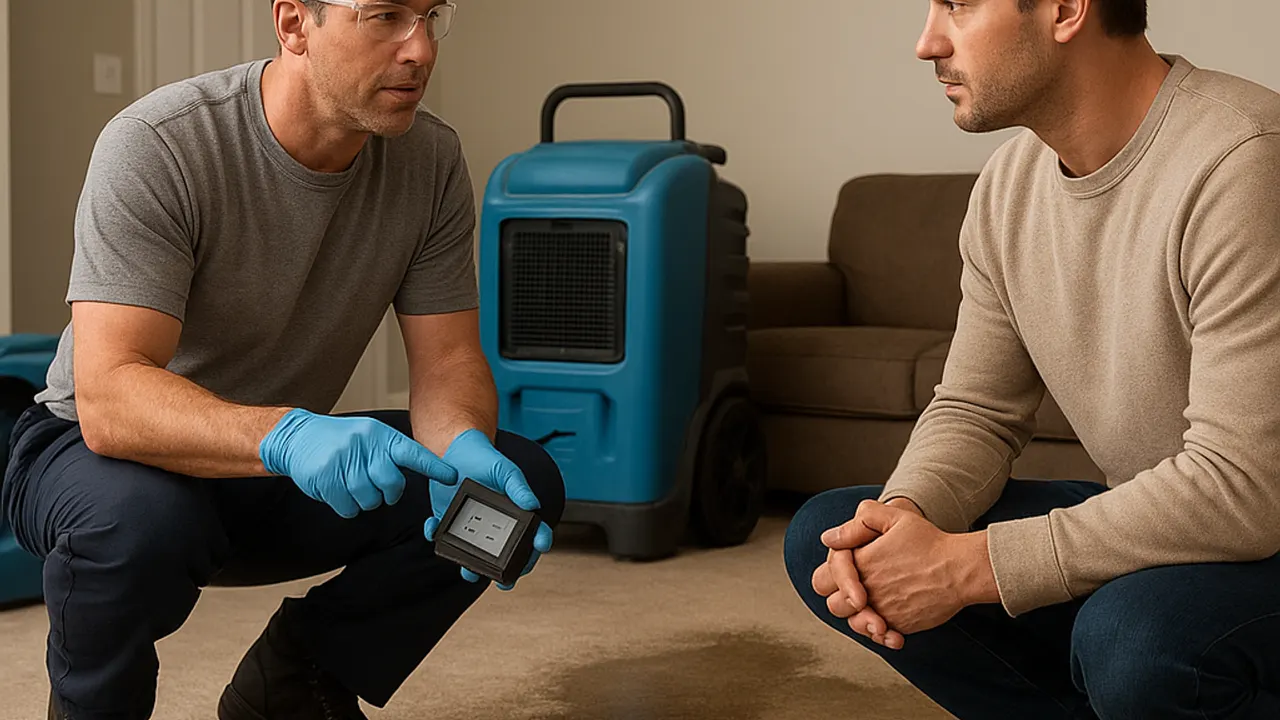
We walk the affected space with you, identify the likely source, and note water depth, flooring, and access points. If water is near electrical equipment, we address safe access before bringing in equipment. The initial review usually takes 15 to 30 minutes for a contained area, longer when water has moved between rooms or levels.
Walk-through
Source review
Safety check
Set up extraction
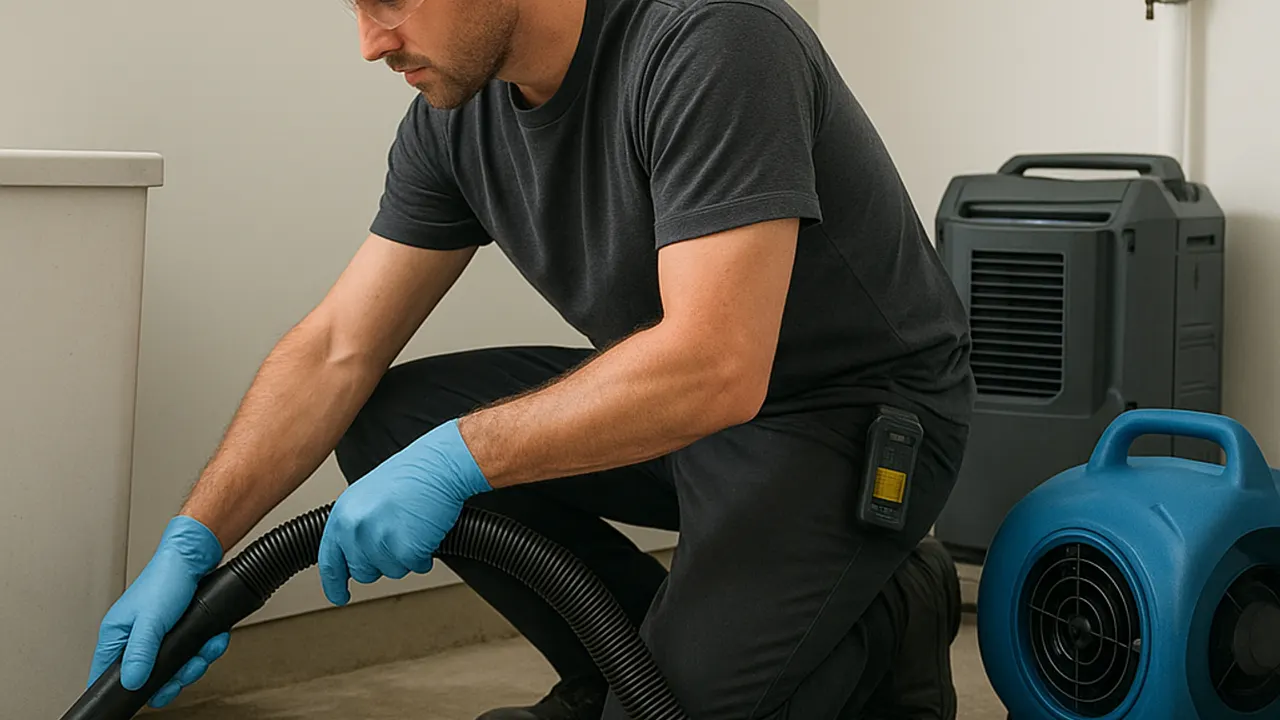
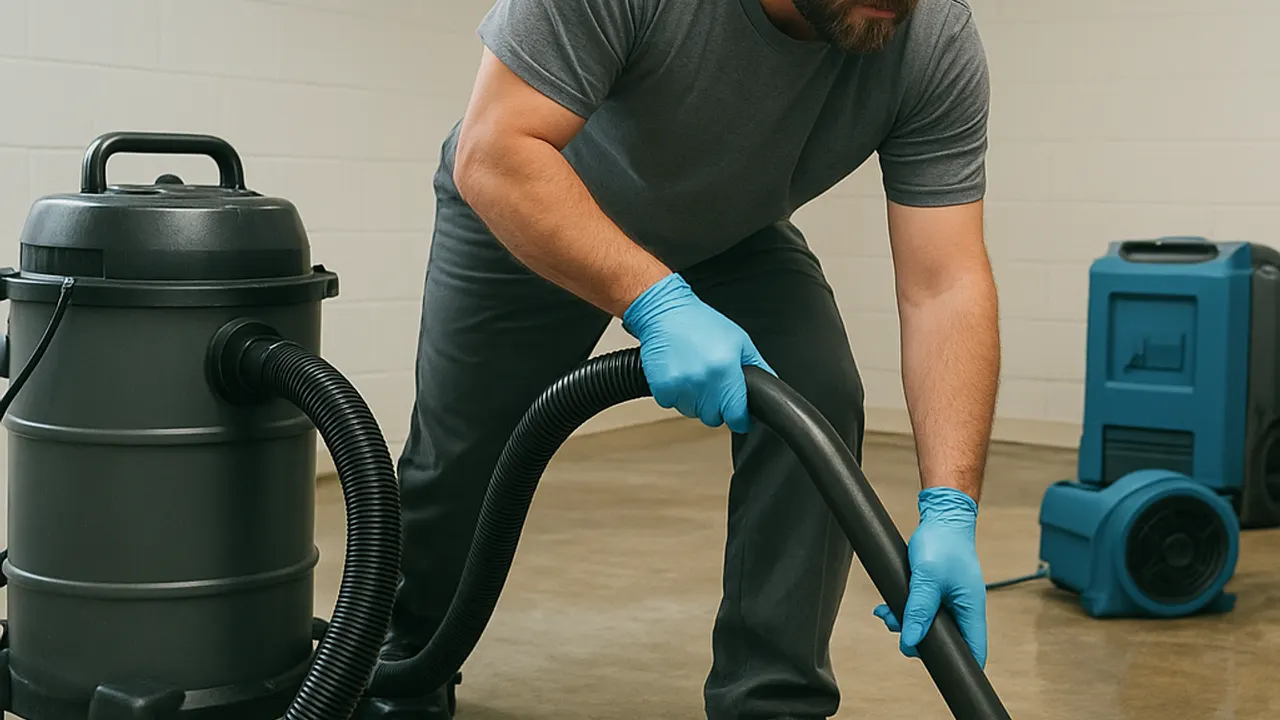
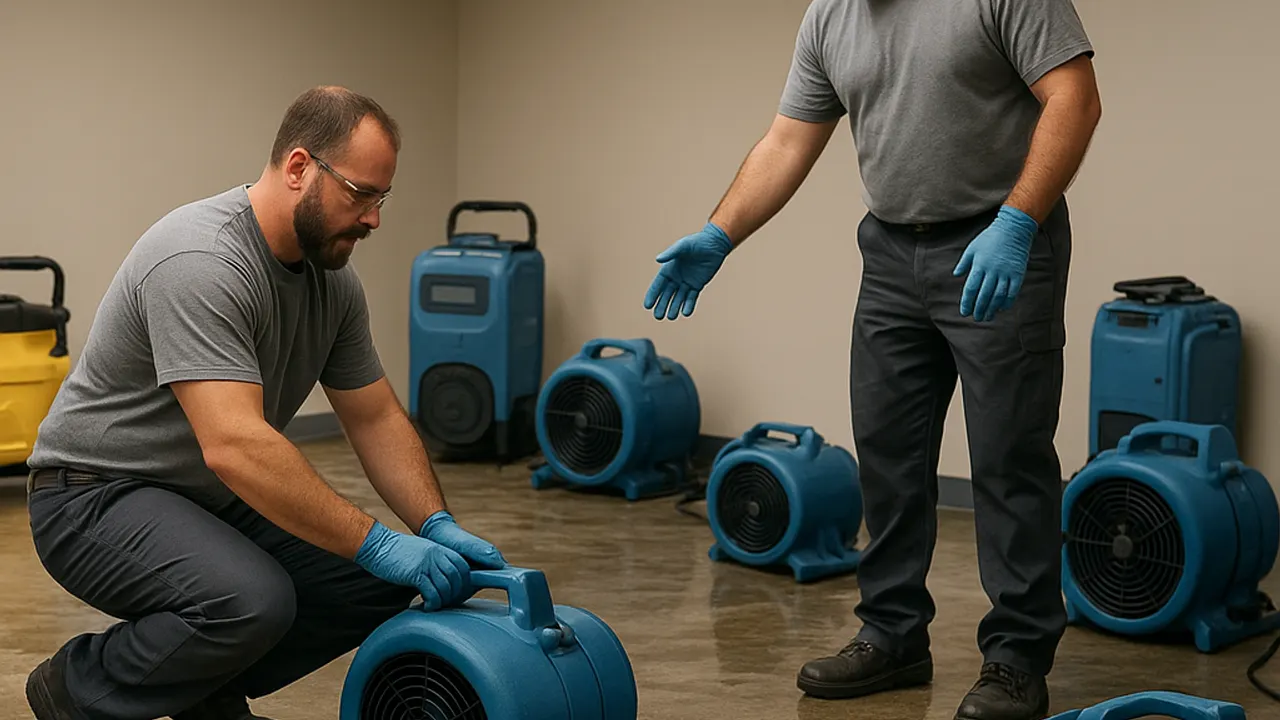
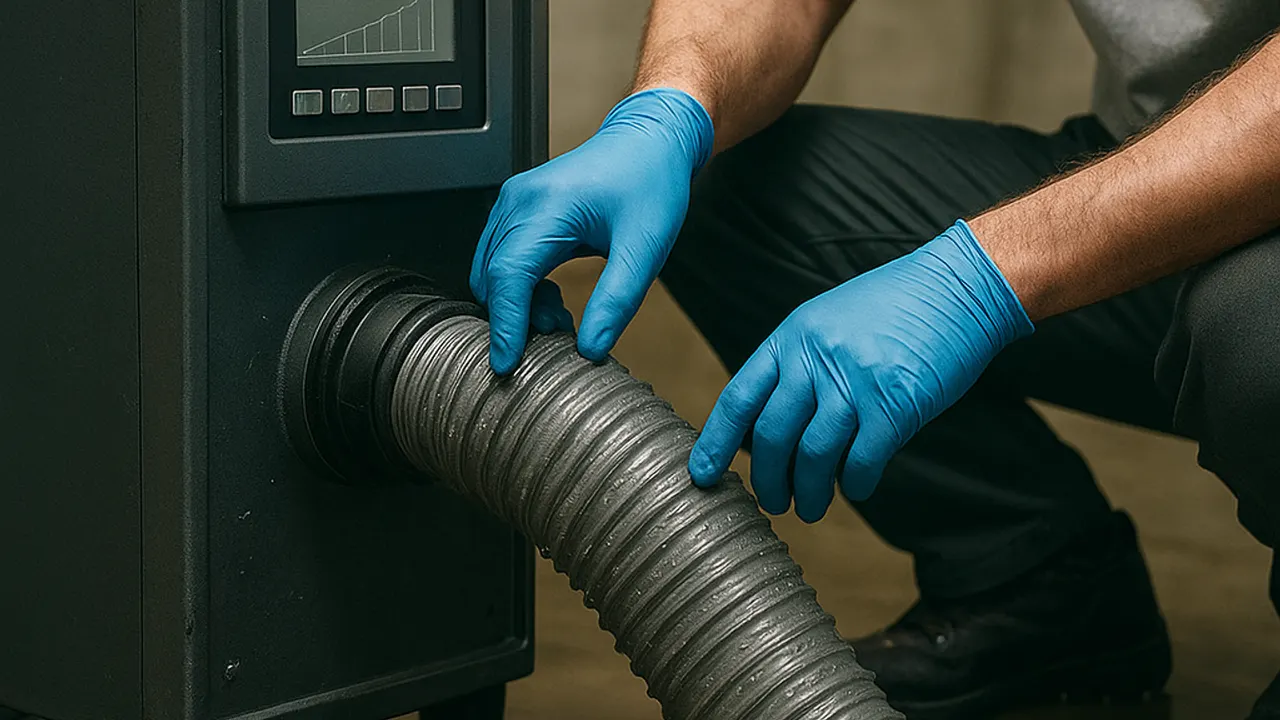
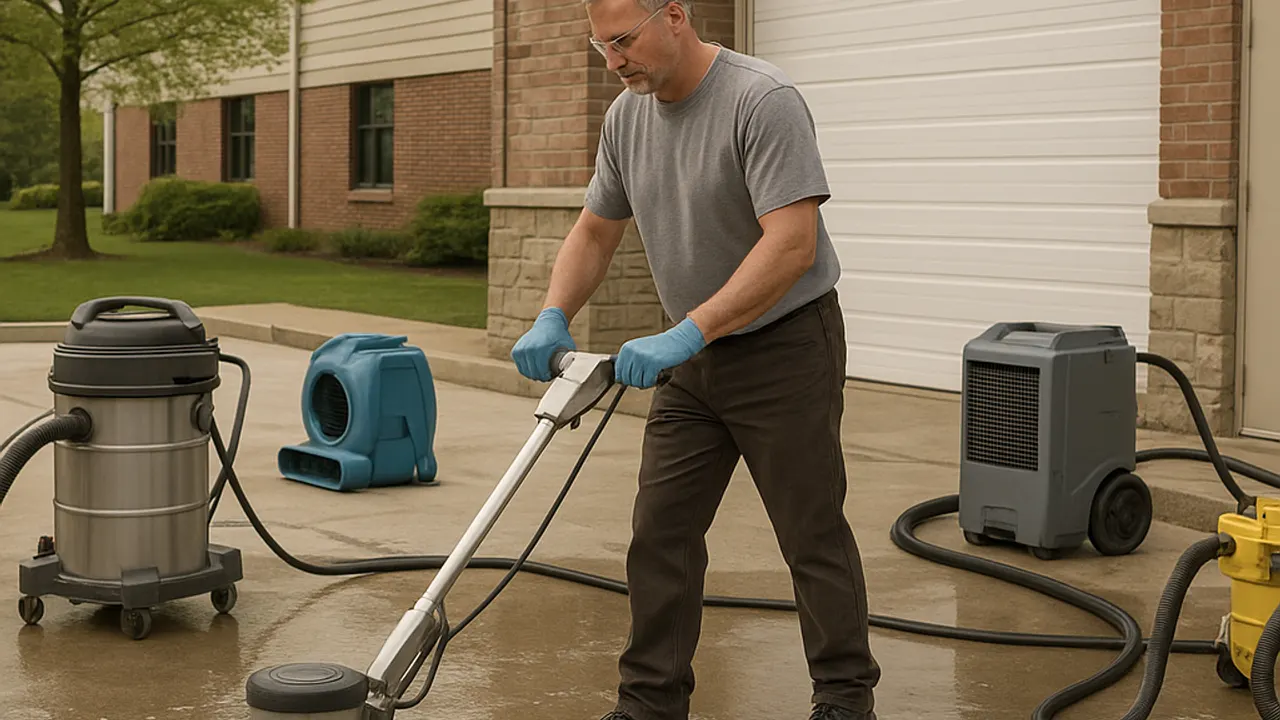
We select a submersible pump for deeper pooling or a wet/dry vacuum and extraction unit for shallower water and floor recovery. Our crew protects the route to the work area and positions hoses to move water efficiently. You will know which areas are being treated and what surfaces need careful handling.
Choose equipment
Protect route
Set up
Remove pooled water
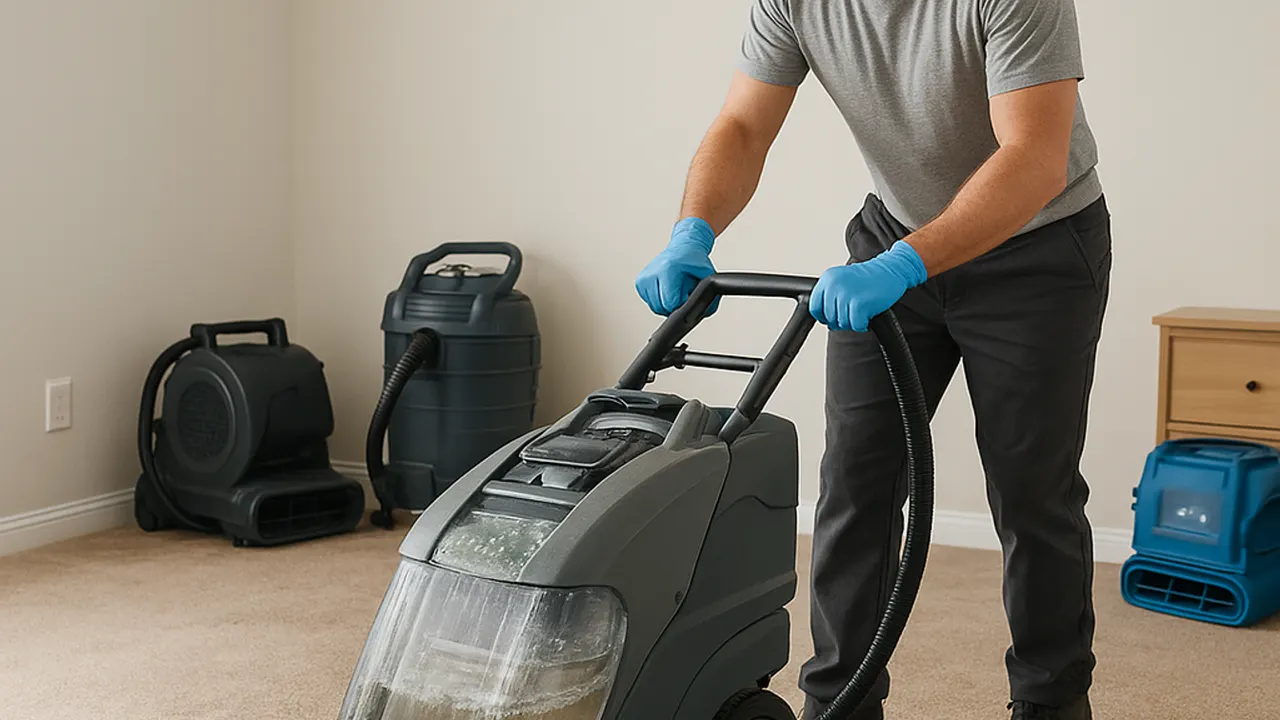
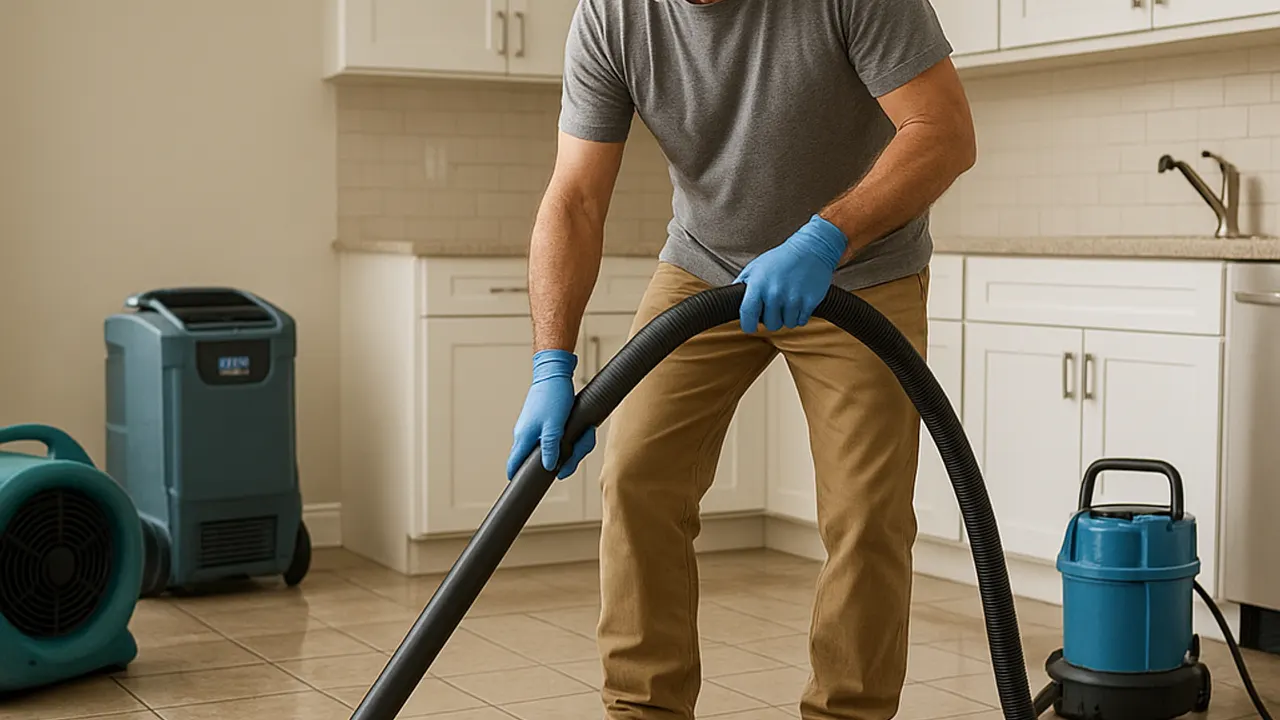
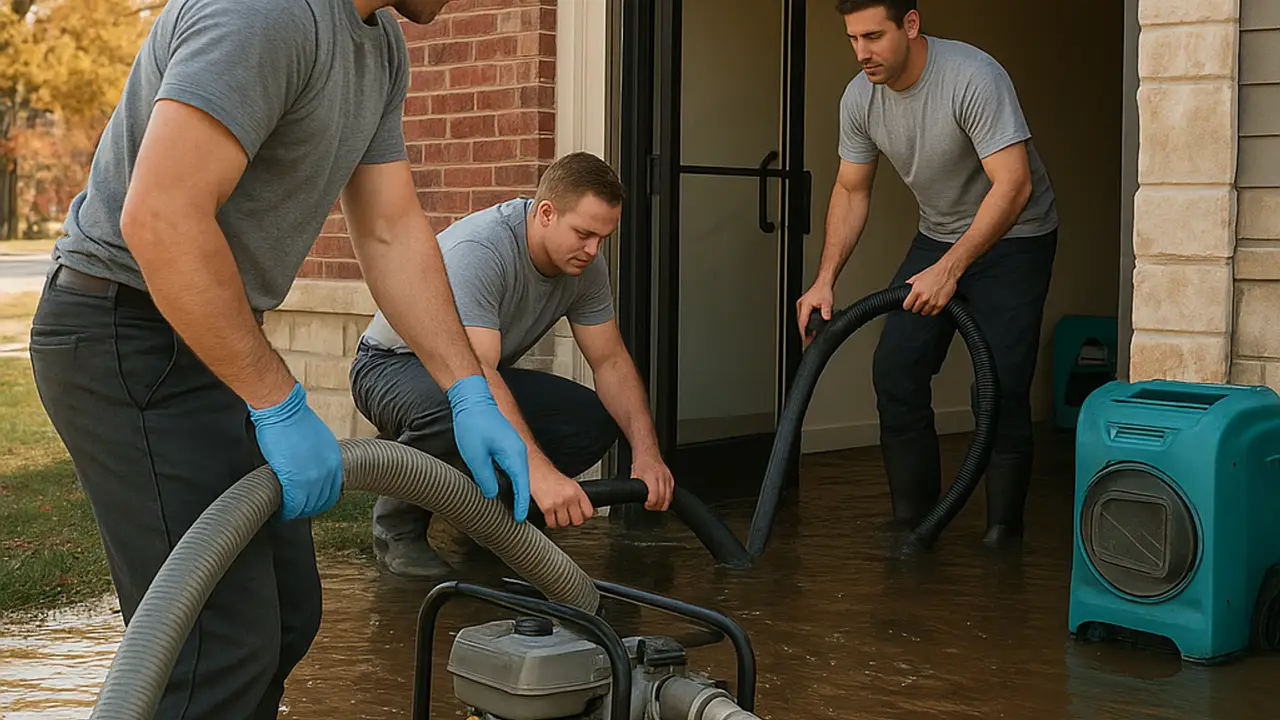
We pump and extract accessible water, working from deeper collection points toward remaining low areas. A truck-mounted water extraction unit can support larger jobs, while a portable extraction unit fits tight stairs and interior rooms. Extraction time ranges from about one to several hours, depending on volume, access, and water depth.
Pump water
Extract floors
Check low points
Check wet materials
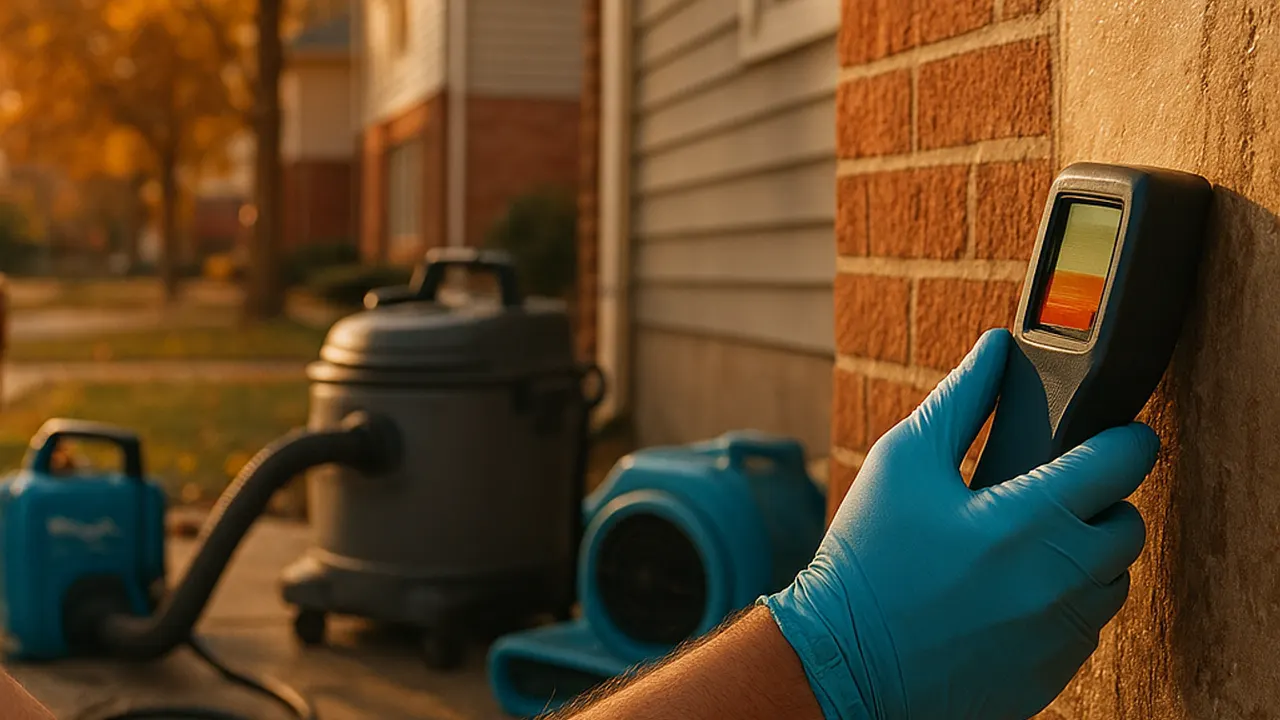
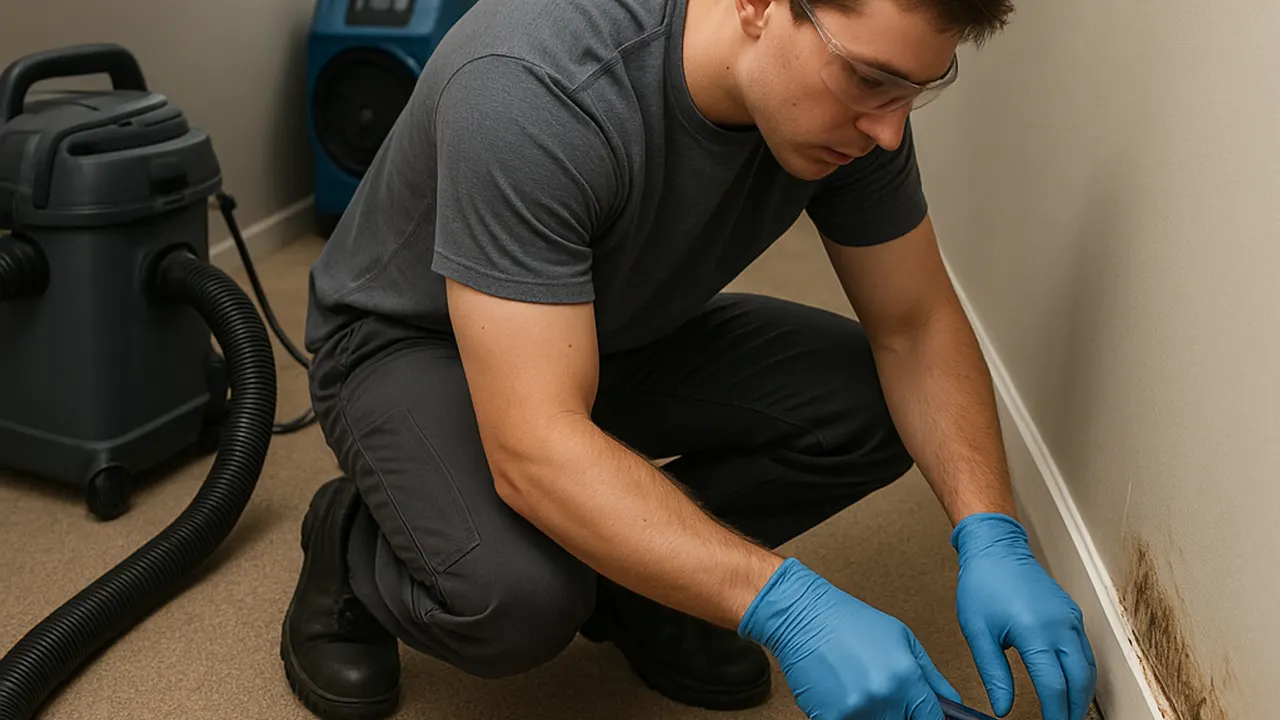
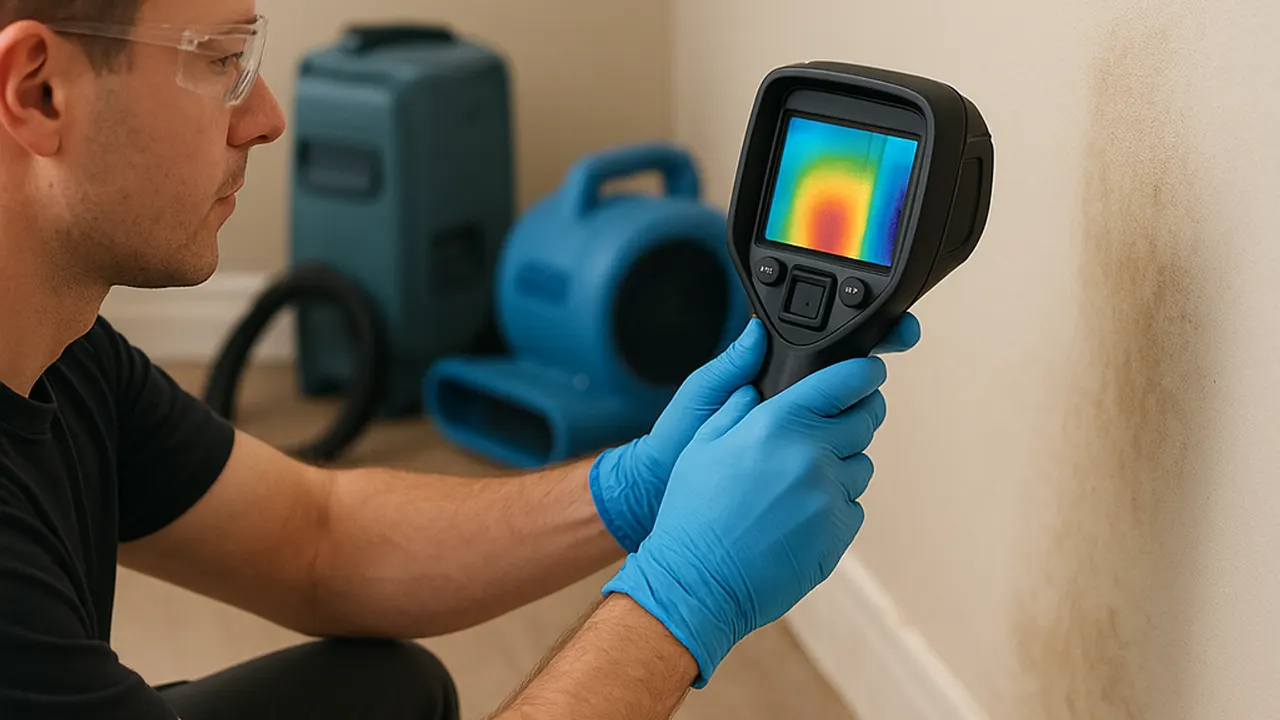
After visible water is gone, we check flooring, baseboards, and reachable wall areas for retained moisture. Thermal images do not measure moisture by themselves, so we verify suspicious areas with direct readings.
Read moisture
Inspect edges
Note materials
Explain drying steps
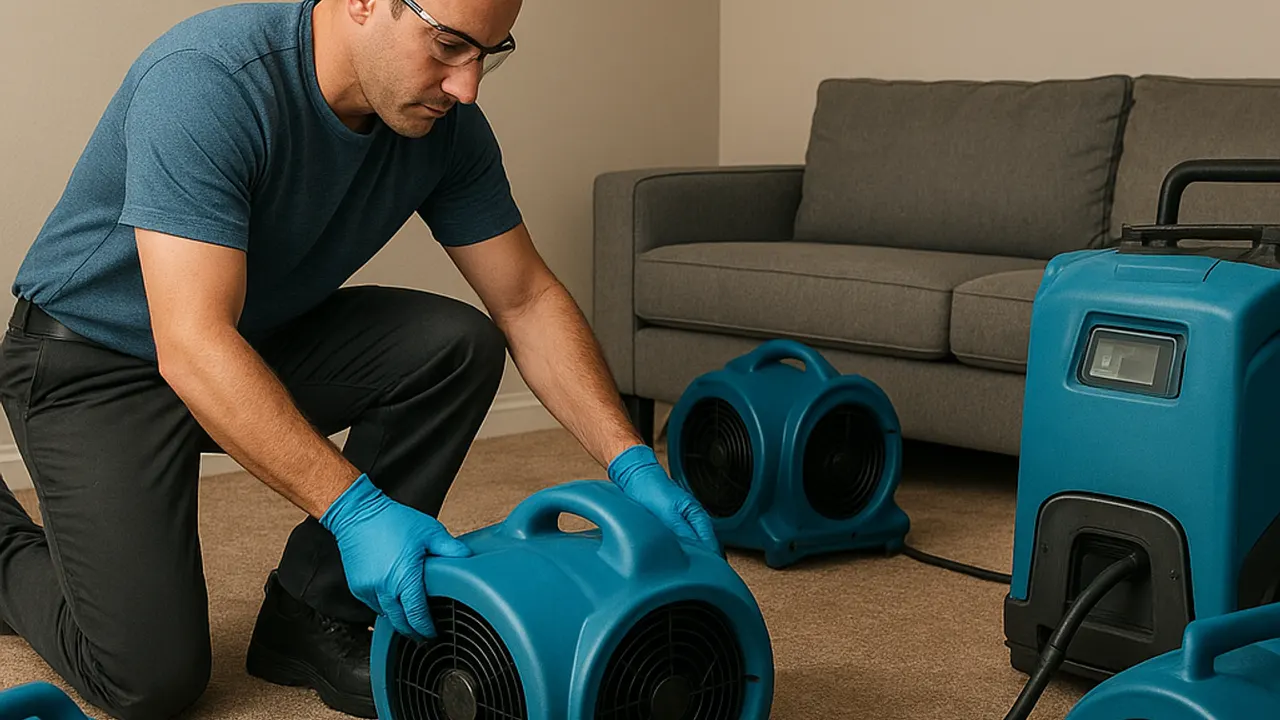
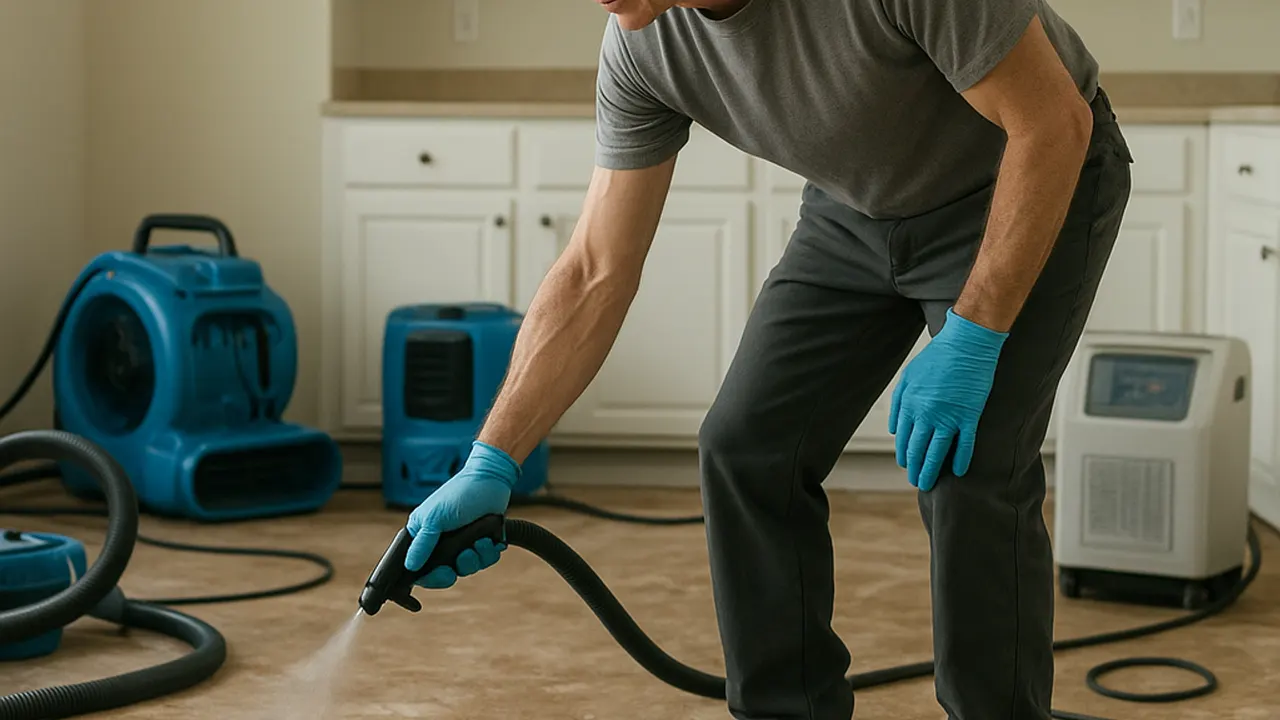
We review what was extracted and identify materials that need drying or repair. Where appropriate, we position an air mover and commercial dehumidifier to support evaporation and moisture removal. Follow-up readings are useful every 24 to 48 hours on active drying jobs, because one initial check cannot confirm that concealed materials have reached a dry condition.
Review findings
Plan drying
Discuss follow-up
Equipment and work methods
Move across a circle, or focus it and press Enter, for an illustrative thermal view of the photograph.
Submersible pump
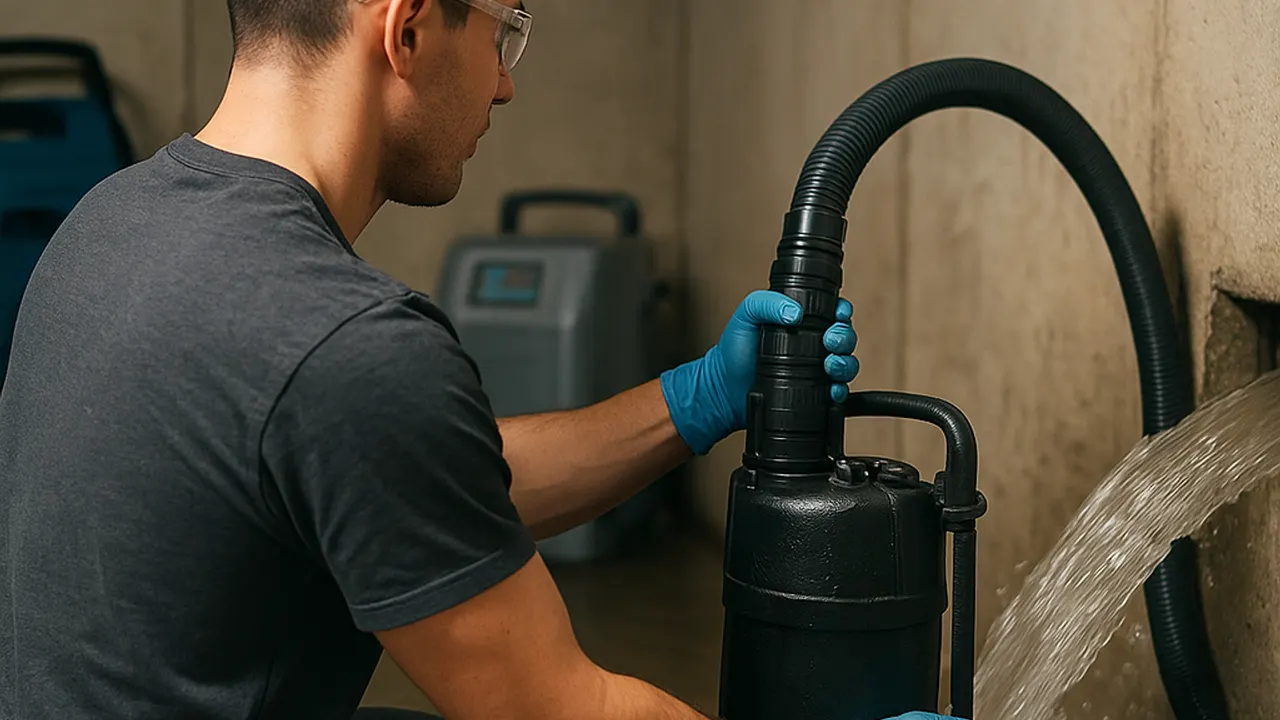
Moves deeper pooled water from basements and low areas into a discharge route. We select placement based on water depth, access, and a safe path for hoses.
Truck-mounted water extraction unit
Supports high-volume extraction on larger losses. Its reach and capacity are useful when multiple rooms or substantial floor areas hold water.
Portable extraction unit
Fits interior spaces, stairs, and tighter access where a truck-mounted hose setup is impractical. It helps remove water from floors after deeper pooling is pumped.
Moisture meter
Checks moisture in accessible materials and helps compare affected surfaces with nearby dry references. Readings inform where drying attention should continue.
Air mover and dehumidifier
An air mover encourages evaporation while a commercial dehumidifier removes moisture from indoor air. Together they support structural drying after standing water is extracted.
Thermal views are illustrative, generated from the photographs.
Methods
Thermal imaging camera
Shows temperature patterns that can help locate areas for closer inspection. We verify any suspected moisture with a moisture meter because thermal images alone do not measure water.
ANSI/IICRC S500-informed restoration
We use the ANSI/IICRC S500 Standard for Professional Water Damage Restoration as a reference for assessing water damage and planning appropriate work. The conditions on site still guide equipment choice, material checks, and drying decisions. Water source, exposure, and affected construction all matter.
Source and safety assessment
Before pumping, we ask where the water came from and whether it is still entering. We review access, electrical hazards, and visible debris, then choose an extraction approach that fits the area. This keeps the work sequence tied to the actual loss rather than a generic checklist.
Extraction followed by moisture checks
We remove visible water first, then check accessible flooring and lower wall materials for retained moisture. Readings identify areas that need drying or further evaluation. When drying equipment is used, follow-up checks show whether readings are improving instead of relying on a dry-looking surface.
Material-specific handling
Carpet, hardwood flooring, laminate flooring, and drywall respond differently to water. We consider how long each material has been wet and how much water it absorbed before recommending continued drying or removal. The method protects the work plan from treating all surfaces as if they behave alike.
When to call for extraction
Sump failure
A basement in Irvington takes on water after a sump pump stops during a night of steady rain.
We review water depth, access, and the location of electrical equipment before setting up. A pump removes deeper pooling, then we check the floor perimeter and lower finishes for moisture. We explain whether the remaining work is drying, cleaning, or follow-up inspection.
Burst pipe
A frozen pipe bursts in an Indianapolis home, leaving water across a kitchen and adjoining hallway.
Once the water source is shut off and the area is safe, we extract water from the floors and check transitions into nearby rooms. We look for saturation around cabinets, baseboards, and flooring seams, then discuss the drying sequence based on the materials affected.
Rainwater entry
Rainwater pushes through a low entry near a commercial property in Downtown Indianapolis.
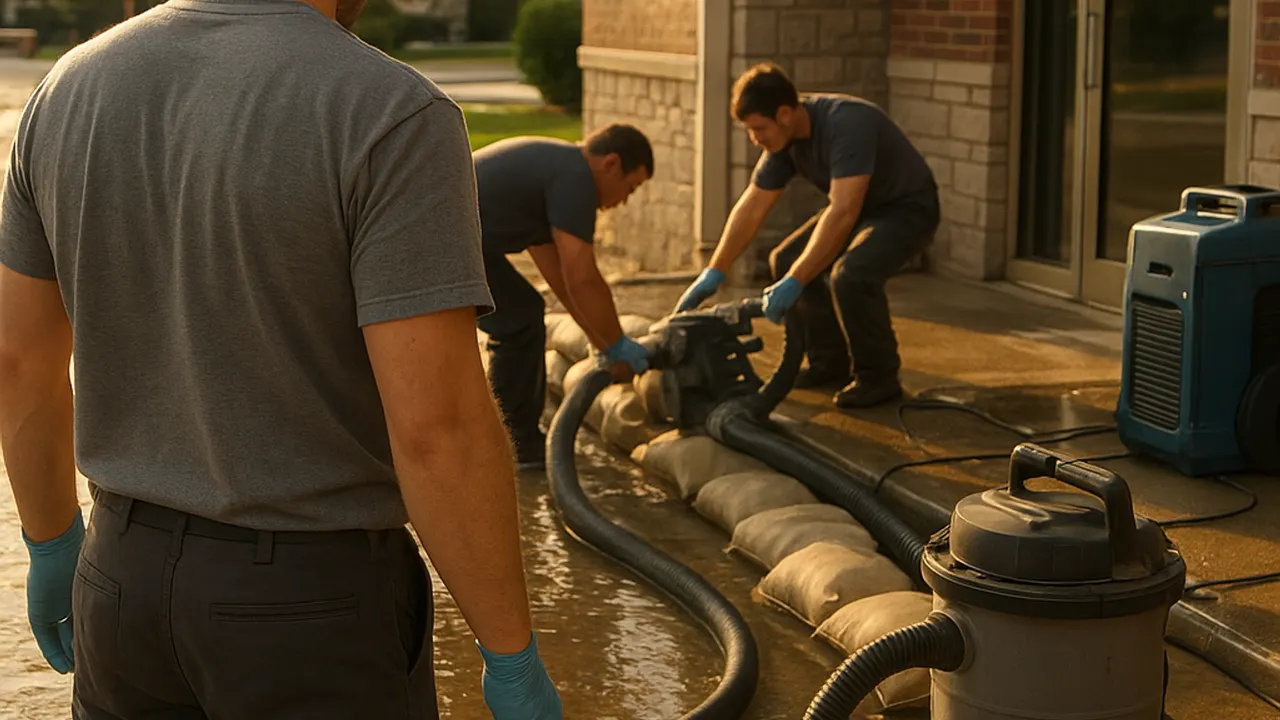
We pump or extract water from the affected floor, working around furnishings and access routes. Our team checks the edge of the wet area for moisture and notes debris that requires cleanup. We then identify whether drying equipment is needed to address moisture left in the flooring.
Water heater leak
A water heater leaks in a Broad Ripple home while the family is away for several hours.
We remove pooled water around the appliance and inspect accessible flooring, trim, and adjacent materials. If water has reached carpet or a floor assembly, we explain how far the visible loss extends and what readings suggest. You get a clear sequence for extraction and follow-up.
Broad RippleOld NorthsideFountain Square
How we work across Indianapolis
Indianapolis weather brings a sharp shift from fall rain to winter freezes, and both conditions create water calls: stormwater intrusion in October and frozen-pipe leaks during cold spells. Older homes may have basement walls, narrow stairs, and mixed flooring that affect how pumps and extraction equipment reach the water. Newer finished lower levels add carpet padding, drywall, and stored contents to the assessment.
We provide water removal from floors and crawl spaces Indianapolis and adapt the setup to the building, not just the volume of water. In Marion County, heavy rain can overwhelm a sump pump or push water through a low entry; a leaking appliance can create a smaller but persistent loss.
For professional water pumping service Indianapolis, we ask where water is collecting, whether the source is active, and which rooms are affected. We check accessible materials after extraction and explain what drying work follows.
Broad Ripple: Finished basements and lower-level storage need careful checks around carpet edges, baseboards, and shelving after water is pumped out.
Old Northside: Older building layouts can mean narrow stair access and varied floor materials, so equipment placement and hose routing matter.
Fountain Square: Basement water may collect around utility areas and stored belongings; clearing access helps us reach low points and inspect floor edges.
Irvington: After steady rain, sump pump failure can leave water along basement perimeters and beneath stored items, requiring a thorough room review.
Heavy fall rain raises water around lower entries and basement walls: Water may enter at more than one point or carry soil and grit onto the floor. We identify low spots, extract pooling, and note affected surfaces so cleanup and drying address the full footprint.
Winter freezes increase the risk of burst pipe water damage: A pipe release can spread quickly through connected rooms and under flooring. We prioritize safe access, extraction, and moisture checks near cabinets, walls, and floor transitions after the source is controlled.
We walk the affected area and explain where water is collecting.
We protect the route and position equipment for the space.
We review checks and explain practical next steps.
From problem to finished result.
IllustrativeThe thermal view is generated from the photograph. It is not a measurement. Drag the handle, or use the arrow keys once it is focused.
Basement after sump failure
Before: A homeowner found about 2 inches of water across a basement utility area after the sump pump stopped during rain. Boxes had been moved, but water remained along the floor edges and beneath a low shelf. The carpet at the doorway felt damp, and the homeowner could not tell how far the water had spread.
After: We pumped out the pooled water and extracted the remaining surface water from the accessible floor. The visible water was removed in roughly 2 hours, and moisture checks identified a damp strip near the doorway that needed drying attention. The homeowner had a clearer account of which materials were affected and what to monitor next.
Keep the sump pit clear and test the pump according to its manufacturer instructions. Store boxes on shelving rather than directly on the floor, and check the basement after heavy rain for new pooling or damp edges.
Burst line in a kitchen
Before: A pipe under a kitchen sink released water that spread into the adjoining hallway. The floor looked mostly clear by the time the homeowner arrived, but water remained along cabinet toe-kicks and beneath a small rug. The leak source had been shut off, though the extent of wet flooring was uncertain.
After: We extracted water from the kitchen and hallway, then checked accessible floor edges and lower cabinet areas. The work took about 3 hours, including setup and moisture checks. We identified two damp sections for continued drying and explained why the clear central floor did not mean every edge was dry.
After plumbing work, check cabinet bases and nearby floor seams for dampness. Move rugs away from a leak area until the floor and backing are dry, and watch for swelling or changes along the cabinet toe-kick.
Rainwater in a lower level
Before: Rainwater entered a lower-level room through a low opening and collected near stored furniture. The water carried grit and reached the edge of a laminate floor. The property manager needed the room cleared quickly enough to assess contents and understand whether the flooring remained wet.
After: We removed the visible pooling, cleared accessible debris, and checked the laminate edges and adjacent baseboards. Extraction and the initial review took about 2.5 hours. The room was left without standing water, and the manager had a documented list of areas needing follow-up drying checks.
Keep the low entry clear and inspect it before forecast heavy rain. After water intrusion, move items away from wet edges and check the same floor transitions again after drying equipment has run.
Problems solved by prompt extraction
Standing water can spread beyond the first puddle through carpet, flooring seams, and lower wall materials. Our team removes accessible water and checks where moisture may remain, helping you decide what needs drying, cleaning, or repair. The sooner water is addressed, the less time it has to keep soaking the structure.
Basement poolingSump pump failure leaves basement water across the floorWater can reach stored belongings, carpet, and lower wall finishes; prolonged saturation raises the risk of material damage and secondary mold growth. We assess water depth and access, then use a submersible pump or extraction equipment to clear the affected low area. After pumping, we check reachable flooring and baseboards for moisture and discuss drying. If the sump system is still down, the source must be addressed so water does not return.
Pipe releaseA burst pipe sends water through several connected roomsWater moves under flooring and into carpet padding, making the visible puddle smaller than the actual wet area and delaying effective cleanup. We map the affected rooms, remove standing water, and check accessible flooring transitions and lower walls. Where readings indicate retained moisture, we explain the need for drying equipment or material removal. If you need remove standing water from a flooded property Indianapolis, we can assess the extent and start with the pooled water.
Stormwater entryStormwater enters a lower level during heavy rainfallRainwater may carry grit and debris, soak finishes, and collect in basement corners where it is easy to miss during a quick surface cleanup. We extract water from accessible low points and note debris or residue that changes the cleanup approach. Our team checks nearby carpet, trim, and flooring for saturation, then discusses drying and cleaning steps. We also identify whether water appears to be entering through an opening or drainage issue.
Appliance leakA water heater leak goes unnoticed behind stored itemsA slow leak can keep the floor and nearby materials wet, damaging finishes and leaving moisture concealed behind appliances or stored belongings. We clear accessible pooling around the heater and inspect reachable floor edges and lower wall materials. A moisture meter helps us compare suspicious areas with nearby dry surfaces. We explain which materials need further attention, while the leaking appliance or plumbing line must be shut off or repaired to prevent another release.
What prompt extraction changes
Less pooled water, clearer material checks, and a practical drying plan.
Less material saturation
Removing pooled water reduces continued exposure for carpet, flooring, and lower wall materials. We check water-damaged carpet and carpet padding separately because the visible surface can look better while the padding underneath remains wet.
Clearer next steps
You get a practical distinction between water extraction, structural drying, and repairs. We record the affected rooms and discuss what the readings show, so you can plan for air movement or material removal rather than guessing from the surface. For a small room, extraction may take a few hours; deeper or widespread water takes longer.
Reduced secondary damage
Water left in a building can contribute to swelling, finish damage, and secondary mold growth. We remove accessible water first, then flag wet drywall, insulation, or concealed areas for follow-up. Drying targets depend on material and conditions; a useful check is whether readings are moving toward dry reference areas over repeated monitoring.
Safer access planning
Floodwater can contain debris or contaminants, and electrical hazards may be present around outlets and appliances. We assess the work area before setting up pumps and extraction tools. If you are dealing with a wet basement, keep people away from standing water until power and access risks are addressed.
What you receive
Clear records you can keep and share.
Work notes
Treated areas and observations from the visit.
Photo record
Images of accessible affected areas, when taken.
Reading log
Recorded moisture checks from inspected materials.
Next steps
Summary of discussed drying or follow-up actions.
Visible water and hidden moisture
Pumping clears pooled water, but material checks help identify moisture that remains below or behind visible surfaces.
Surface water
Water visible on floors or collecting in low areas.
Often pumpable
May cross room thresholds
Can hide at edges
Material moisture
Water retained in flooring, padding, drywall, or other materials.
Needs direct checking
May require drying
Can remain out of sight
Follow-up drying
Air movement and dehumidification address moisture after extraction.
Depends on material
Needs repeat readings
May involve repairs
Surfaces and systems
Carpet
Padding
Hardwood
Laminate
Drywall
Baseboards
Insulation
Basements
Service ZIP codes.
A list like this tells people straight away whether you cover their street. Not listed? Call and ask: it only takes a minute.
Water Pump Masters removes standing water from homes and commercial properties in Indianapolis, Indiana. We assess the water source and affected surfaces, then use pumps or extraction equipment suited to the conditions. For water removal from floors and crawl spaces Indianapolis, tell us where water is collecting, how deep it is, and whether the source is still active. We also check accessible materials for retained moisture and explain whether drying or cleanup should follow extraction.
Extract standing water as soon as it is safe to enter, ideally within 24 hours of discovery. The longer water sits, the more time it has to soak into flooring, drywall, and insulation. Shut off the water source if you can do so safely, and avoid areas with electrical hazards. Our team can assess the affected footprint, begin pumping, and identify materials that need follow-up moisture checks.
Call Water Pump Masters at 317-792-8700 to discuss urgent water removal in Indianapolis. A frozen pipe at night, sump pump failure during heavy rain, or a water heater leak can quickly soak nearby materials. We will ask about the source, water depth, and access so we can understand the situation and explain the next steps. For urgent cases, keep people away from unsafe water and electrical equipment.
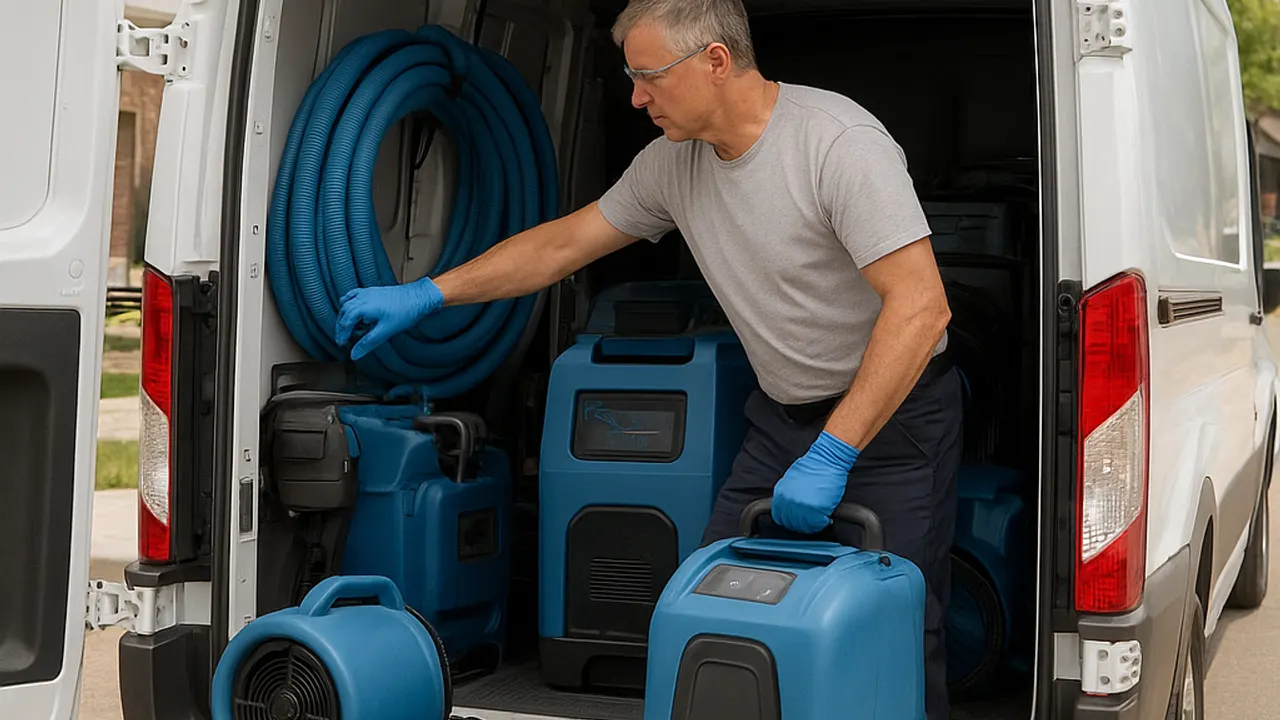
A submersible pump handles deeper water, while a wet/dry vacuum or extraction unit removes shallower water from floors. For larger losses, a truck-mounted water extraction unit moves high volumes; portable equipment works better on stairs and in confined rooms. After pumping, moisture meters help check materials, and air movers with commercial dehumidifiers support drying. Equipment choice depends on water depth, access, and the surfaces involved.
Standing water removal Indianapolis IN starts with knowing where the water came from and what it has reached. Call Water Pump Masters at 317-792-8700 and describe the affected rooms, water depth, and any safety concerns. Our team will help you take the next practical step.
Call 317-792-8700 to describe a leak, flooded basement, or water-soaked floor and get connected with an independent service company. Share your Indianapolis neighborhood, the water source, and whether the water is still spreading. Hours vary by company, so call to discuss urgent needs and the next practical step.